Tandir Orthopedic Implants
Tandir Orthopedic Implants
Tandir Orthopedic Implants
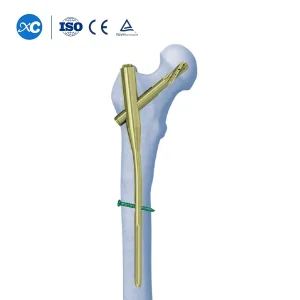
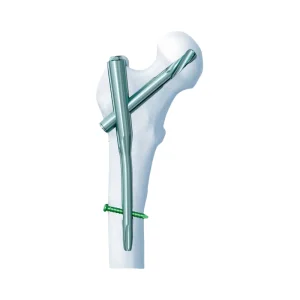
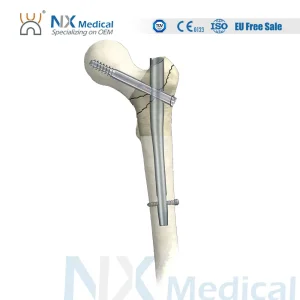
In the landscape of modern medicine, orthopedic trauma management stands as a critical pillar. For the North Korea market, the demand for high-quality, cost-effective intramedullary (IM) nails has seen a steady rise as the region focuses on improving clinical outcomes in its specialized medical centers in Pyongyang and provincial hubs. This document explores the technical, industrial, and logistical frameworks that define the supply of intramedullary nails from a top-tier Chinese factory to the North Korean healthcare sector.
North Korea’s healthcare system, particularly in the realm of orthopedic surgery, has increasingly sought modern solutions for long bone fractures. Industrial injuries in mining regions and agricultural trauma in rural provinces have created a sustained need for intramedullary nailing—the gold standard for femoral, tibial, and humeral shaft fractures. By transitioning from traditional external fixation or plating to IM nails, North Korean surgeons can offer patients faster mobilization, reduced infection rates, and shorter hospital stays, which is vital for the region's economic and social productivity.
The global orthopedic implant market is moving toward "Anatomic" designs and "Biological Fixation." Intramedullary nails are no longer just metal rods; they are sophisticated mechanical systems. Current trends include:
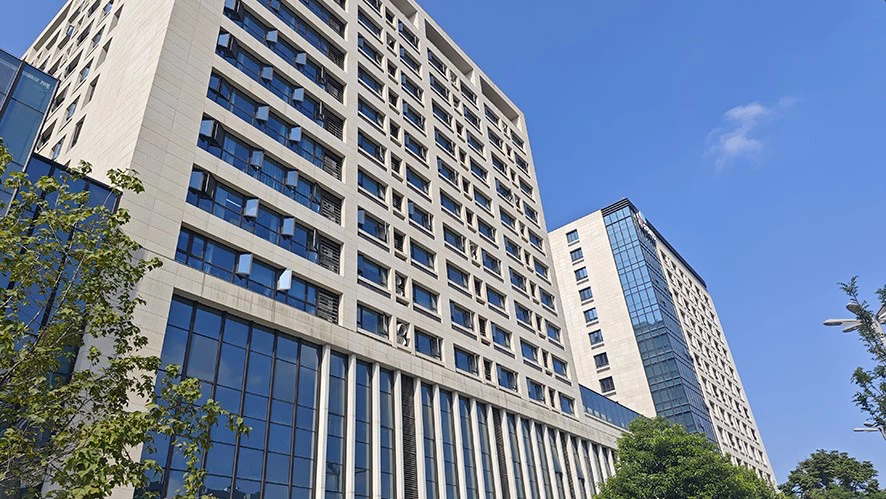
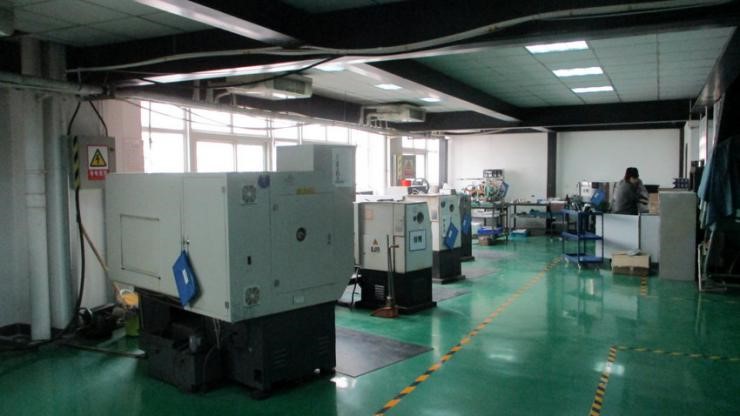
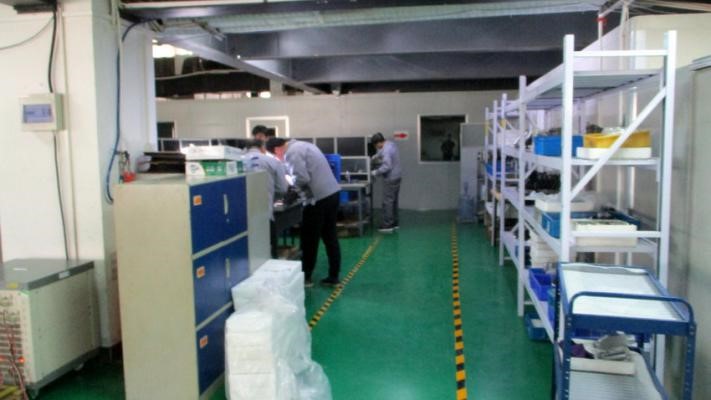
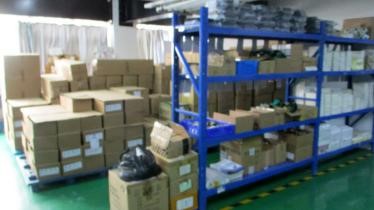
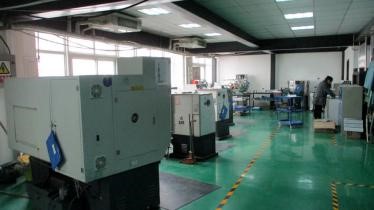
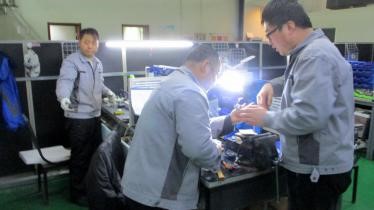
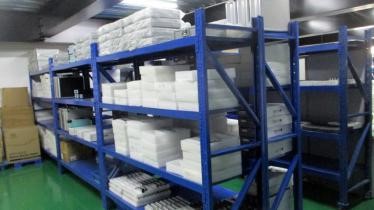
Beijing Tandir Medical Device Co., Ltd. represents the peak of China's Factory 4.0 initiative. By integrating automation, high-precision lathing, and digital quality control, we provide an "Information Gain" to our partners that goes beyond just the product. Our manufacturing process ensures:
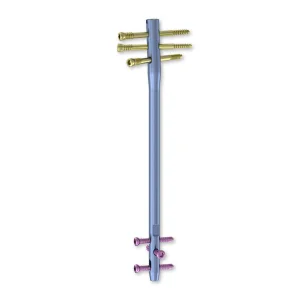
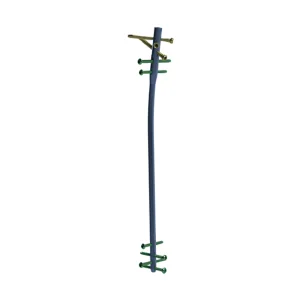
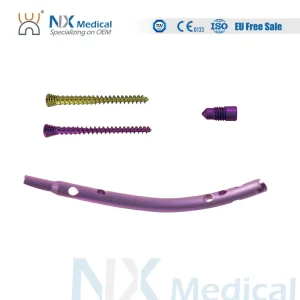
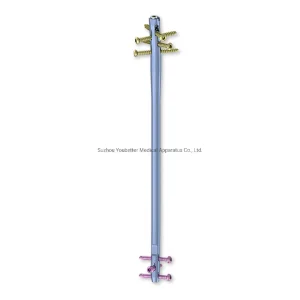
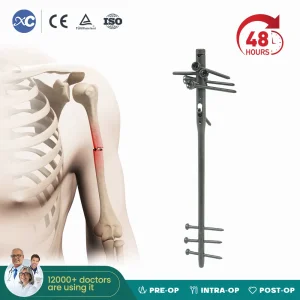
Our products are designed for the specific clinical environments found in the DPRK. For instance, our Multi-Screw Hole Tibial Nails provide surgeons with the flexibility needed to address complex fractures without the requirement for intraoperative fluoroscopy in every step, which is highly advantageous in resource-constrained environments. Additionally, our Universal Humeral Nails allow for both antegrade and retrograde insertion, simplifying the inventory requirements for smaller provincial hospitals.
Beijing Tandir Medical Device Co., Ltd. (established 2022) combines industry expertise with technical precision. From R&D to production, we ensure every orthopedic implant meets the rigorous demands of global trauma surgery.
We primarily use Grade 5 Titanium Alloy (Ti-6Al-4V ELI) and high-grade 316LVM Stainless Steel. For the North Korea market, titanium is highly recommended due to its superior strength-to-weight ratio and bio-inertness, which reduces the risk of long-term revision surgery.
Yes, all our orthopedic implants are manufactured in ISO 13485 certified facilities and comply with CE standards. We provide full documentation including material certificates and sterilization reports to ensure regulatory compliance in DPRK medical institutions.
We have extensive experience in regional logistics. We utilize secure transportation networks through Liaoning province to ensure timely delivery. Our packaging is designed to maintain sterility and protect the precision threads of the interlocking nails during transit.
Absolutely. We provide complete orthopedic instrument sets (revolving reamers, target devices, and screwdrivers) specifically designed for our nail systems. We also offer technical manuals and surgical videos to support North Korean orthopedic surgeons.
Yes, our Factory 4.0 infrastructure allows for "Mass Customization." If a particular hospital in North Korea requires specific nail lengths or locking hole configurations for a unique trauma profile, our R&D team of 21+ experts can accommodate such requests.