Tandir Orthopedic Implants
Tandir Orthopedic Implants
Tandir Orthopedic Implants
The Mandibular Locking Plate industry has undergone a paradigm shift over the last decade. As Craniomaxillofacial (CMF) surgeries become more complex and aesthetic outcomes become as critical as functional ones, the demand for high-precision internal fixation has skyrocketed. Today, the global market for mandibular reconstruction is driven by an increase in trauma cases, tumor resections, and congenital corrective surgeries.
Historically, mandibular fractures were treated with non-locking compression plates. However, the industry has transitioned toward Locking Plate Systems because they function as "internal fixators." Unlike traditional plates, the screws in a locking system thread into the plate itself, creating a rigid construct that does not require the plate to be compressed against the bone. This preserves the periosteal blood supply, reducing the risk of bone necrosis and infection—a critical factor in the sensitive maxillofacial region.
Major manufacturing hubs in China, Germany, and the USA are now competing to produce plates with thinner profiles but higher fatigue strength, primarily utilizing Grade 5 Titanium (Ti-6Al-4V) for its superior biocompatibility and mechanical properties.
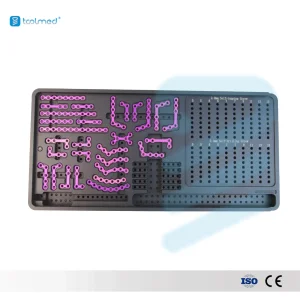
The current industry trend is leaning heavily toward Patient-Specific Implants (PSI). While standard mandibular locking plates are versatile, the anatomy of the jaw varies significantly between ethnicities and ages. Advanced factories are now integrating CT-based 3D modeling with CNC machining and 3D printing to create pre-bent or custom-fit plates.
Modern mandibular plates are no longer just static pieces of metal. They are engineered with Variable Angle (VA) locking technology, allowing surgeons to angle screws up to 15 degrees while still maintaining a locked construct. This is vital when working around tooth roots or the inferior alveolar nerve. Furthermore, "smart surfaces" with bioactive coatings are being researched to accelerate osseointegration, further shortening recovery times for patients.
International procurement for Mandibular Locking Plates is highly regulated. Hospitals and distributors in Europe, the Middle East, and Southeast Asia prioritize CE and ISO 13485 certifications. For a Tier 1 medical facility, the sourcing criteria go beyond price; they require a "System" approach—plates, screws, and specialized instruments (like the reconstruction plate kit) that work seamlessly together.
Common Application Scenarios:
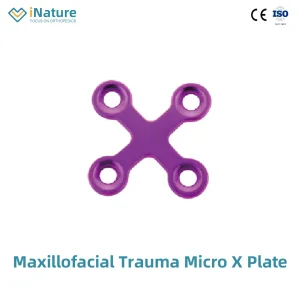
Beijing Tandir Medical Device Co., Ltd. was established in 2022. It is a professional supplier of medical equipment, medical consumables and medical equipment, dedicated to providing high-quality solutions for the global market. Its geographical location offers convenient logistics, and it has established close cooperation with factories equipped with advanced production facilities, adhering to international quality standards and emphasizing innovation to meet the constantly changing needs of customers.

Our team combines industry expertise with technical precision, supported by partner factories featuring skilled front-line employees. From R&D to production and quality control, we collaborate closely to ensure products meet CE/FDA requirements. Customer-centric service and timely delivery are core values embedded in our operations. Our 11 production lines allow us to handle massive OEM/ODM orders while maintaining the surgical precision required for Mandibular Locking Plates.
When dealing with Mandibular Locking Plates, even a 0.1mm deviation can cause surgical failure or patient discomfort. At Beijing Tandir, our manufacturing process involves multiple layers of scrutiny:
Our strategic location in Beijing provides us with a logistical edge. With access to world-class shipping hubs, we ensure that our orthopedic implants reach global distributors in Europe, Africa, and the Americas within record time, maintaining the cold-chain or sterile packaging integrity required for medical devices.