🛠️
Product Description
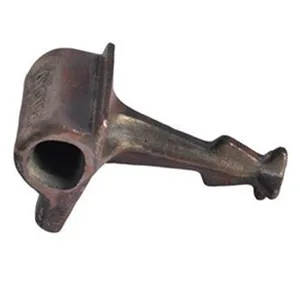
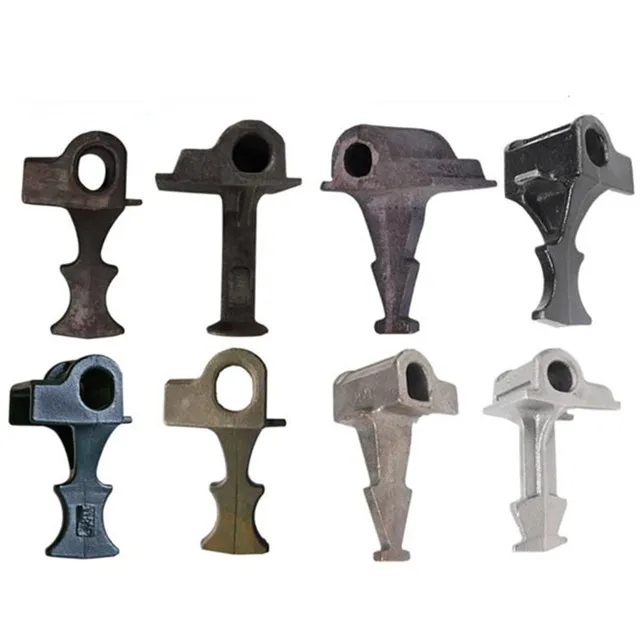
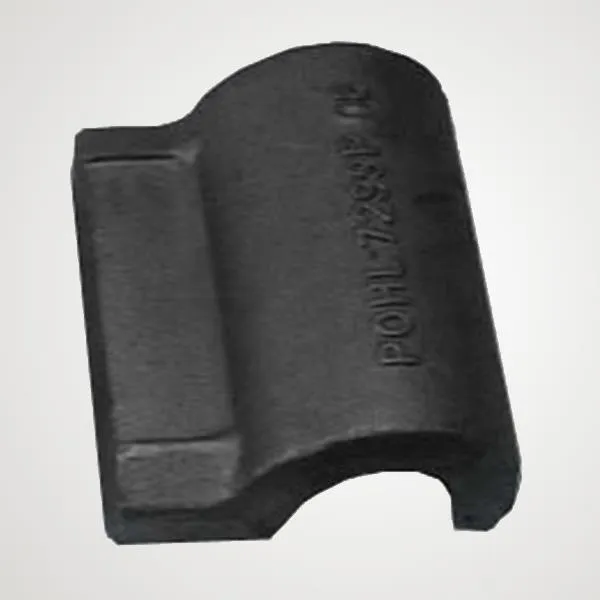
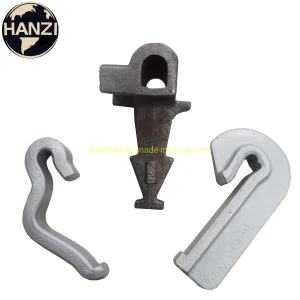
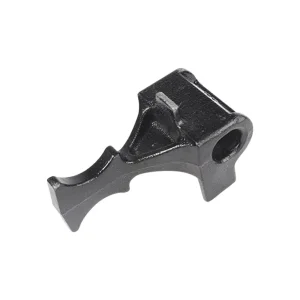
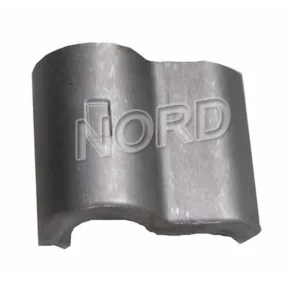
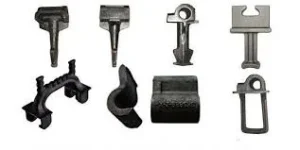
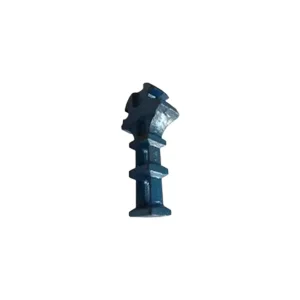
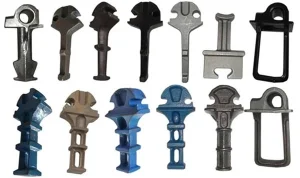
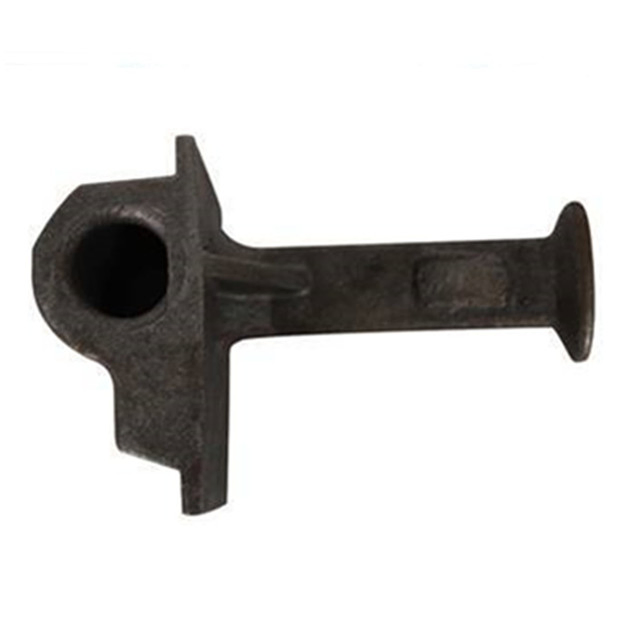
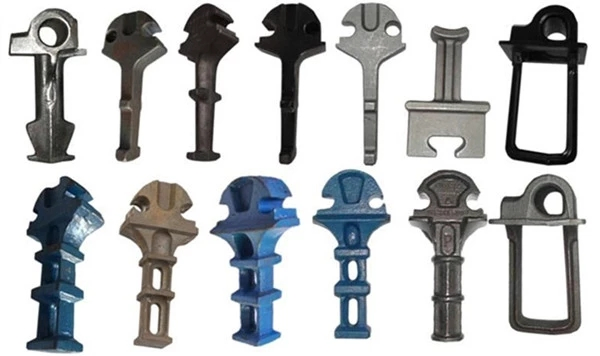
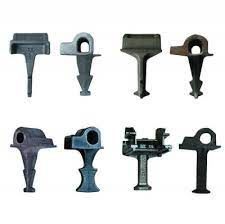
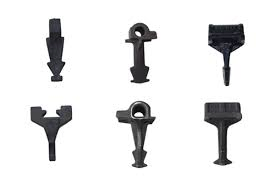
Rail shoulder is cast in the concrete rail ties to fix the elastic rail clips. There are two types of rail shoulders available, the cast-in shoulder and the weld-on shoulder, both of which are used for the fixing of elastic rail clips.
The casting shoulders as the embedded part of the rail way fastening system are pressed in concrete sleeper and work together with the E clip to fasten the rail. The cast in shoulder is made by casting from iron, such as, GB/T 1348-1988, NF EN 1563(1997), ISO1038, DIN 1693, JIS G5502 (2001), KS D 4302, GOST 7293(1985) or BS EN 1563(1997).
| Application |
UIC54 |
UIC60 |
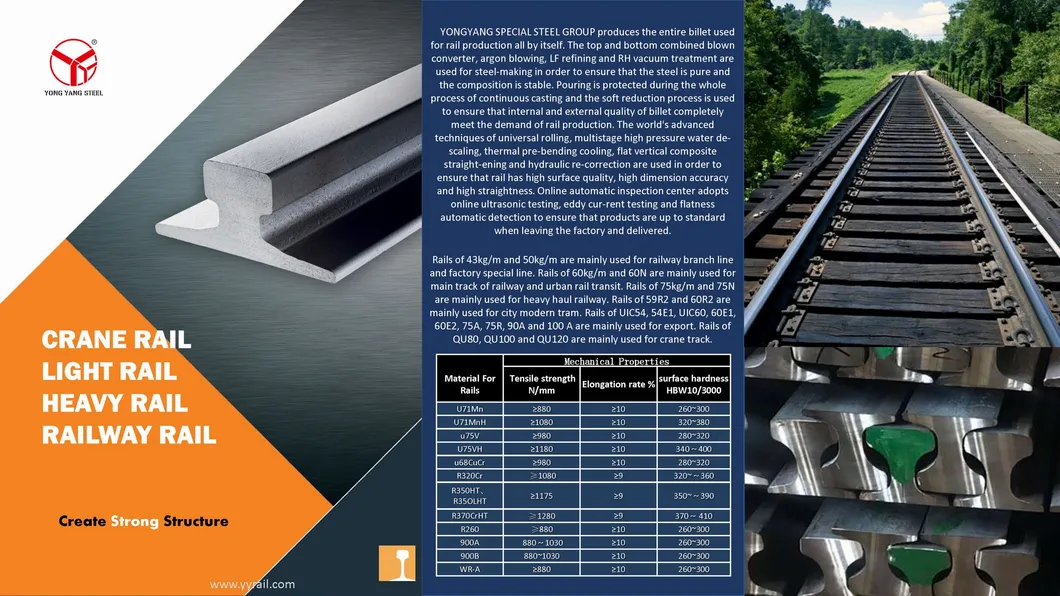
115RE, 50kg rail, 60kg rail, BS80lbs, BS100lbs, ect. |
| Material Grade |
QT500-7 |
QT450-10 |
QT400-15 |
| Standard |
GB 1348-88 |
GB 1348-88 |
GB 1348-89 |
| Tensile Strength |
≥500 Mpa |
≥450 Mpa |
≥400 Mpa |
| Yield Strength |
≥320 Mpa |
≥310 Mpa |
≥250 Mpa |
| Elongation(%) |
≥7 |
≥10 |
≥15 |
| Hardness |
170~230HB |
160~210HB |
130~180HB |
| Organization |
Ferrite & pearlite |
Graphite & ferrite & pearlite |
Ferrite |
❓
Frequently Asked Questions
What are the main types of rail shoulders available?
There are two primary types: cast-in shoulders, which are embedded in concrete ties, and weld-on shoulders. Both are designed to securely fix elastic rail clips.
What materials are used for casting these shoulders?
They are manufactured using high-quality ductile iron, such as grades QT500-7, QT450-10, and QT400-15, following international standards like GB/T, ISO, and DIN.
Which rail standards are compatible with your shoulders?
Our shoulders are compatible with a wide range of rails, including UIC54, UIC60, 115RE, 50kg, 60kg, BS80lbs, and BS100lbs.
How is the quality of the rail shoulders ensured?
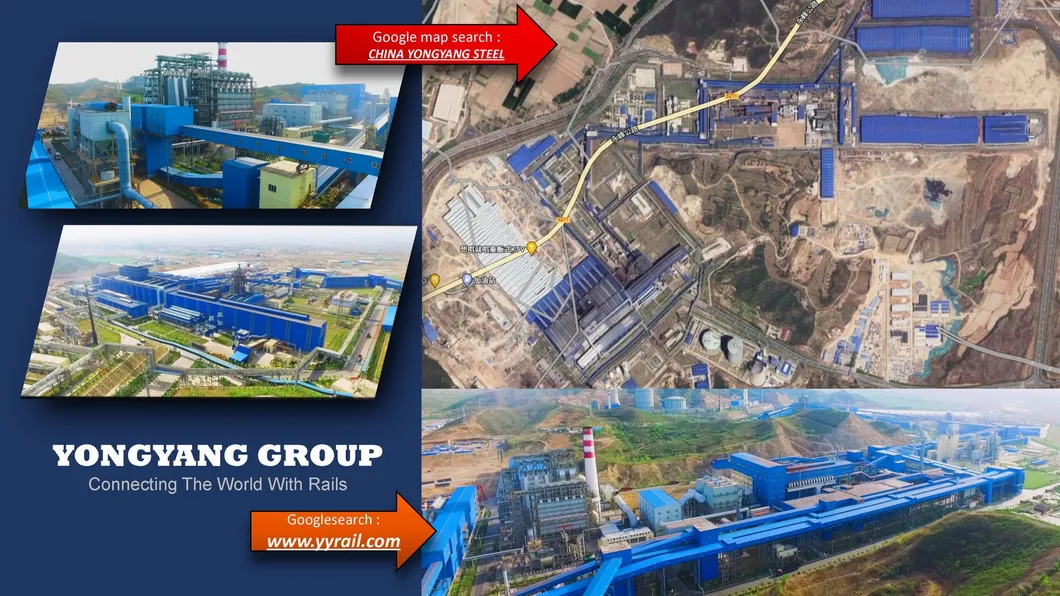
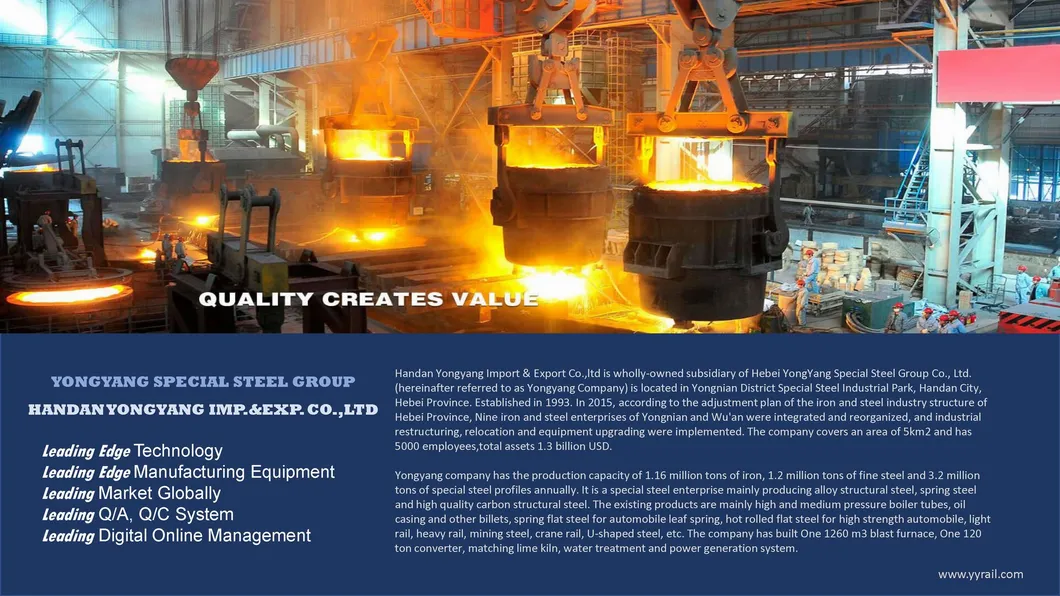
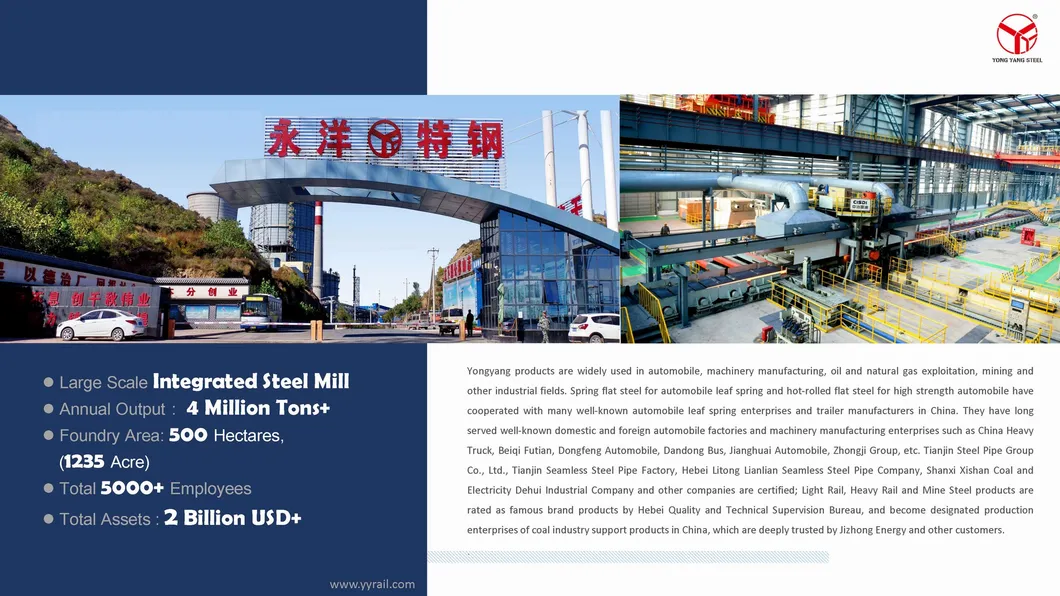
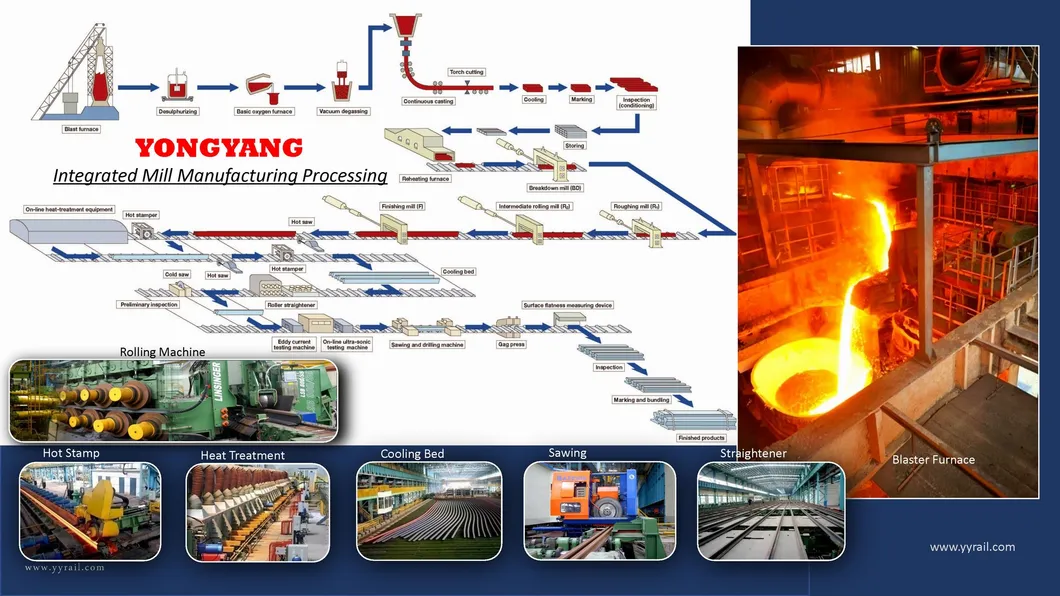
Quality is managed through fully automatic digital sawing, online ultrasonic crack detection, and adherence to ISO 9001 quality management systems.
What is the typical production capacity for rail shoulders?
The production facility has a high capacity of approximately 20,000 pieces per day to meet large-scale infrastructure demands.
What is the hardness range of the rail shoulder products?
Depending on the specific grade and material, the hardness typically ranges from 130HB up to 230HB to ensure durability and wear resistance.
 Tandir Orthopedic Implants