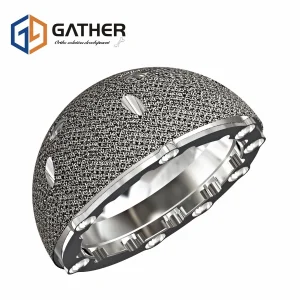
Tandir Orthopedic Implants
Tandir Orthopedic Implants
Tandir Orthopedic Implants
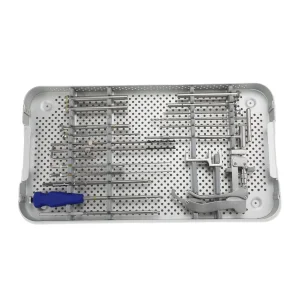
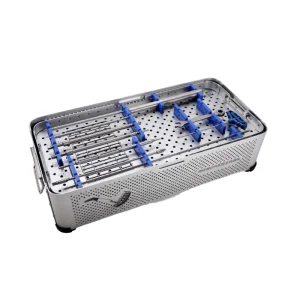
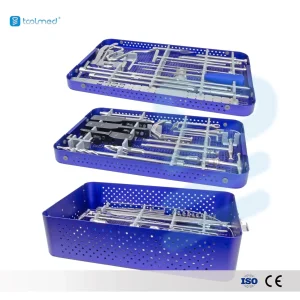
Premium surgical instrumentation sets engineered for immediate access, absolute precision, and compliance with stringent sterilization protocols in modern orthopedic operating theaters.
Joint replacement surgeries, specifically primary total hip arthroplasty (THA) and total knee arthroplasty (TKA), have achieved exceptional success rates worldwide over the last few decades. However, as the initial recipient demographics age, and implant survivorship reaches its natural physical thresholds, orthopedicians encounter a dramatic escalation in revision cases. In Libya, this clinical trend is compounded by a complex spectrum of factors. Reconstructing severe femoral and acetabular osteolysis, addressing structural bone loss from traumatic high-energy accidents, and successfully resolving periprosthetic joint infections (PJI) demand high-performance revision implant systems built on modularity, mechanical adaptability, and biologically active fixation.
The Libyan healthcare network is undergoing a critical transition. Hospitals across major hubs like Tripoli, Benghazi, Misrata, and Sebha are modernizing surgical infrastructure. Historical data shows that primary joint arthroplasty patients from the early 2000s are now presenting with aseptic loosening, polyethylene wear, and osteolysis. Furthermore, high rates of high-velocity road traffic accidents (RTAs) in North Africa lead to severe proximal femoral and distal femoral fractures, often necessitating complex salvage procedures. To address these extreme clinical indications, local suppliers and public health institutions require robust channels to source CE-certified, FDA-aligned revision implant systems designed to handle compromised bony beds.
Revision joint surgeries are vastly different from primary procedures; they are highly customized operations. Key indications include:
The evolution of biomaterials and modularity in Revision Arthroplasty systems.
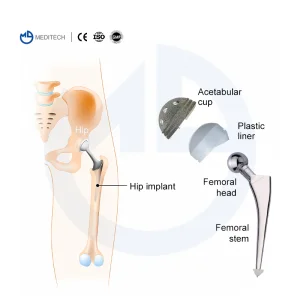
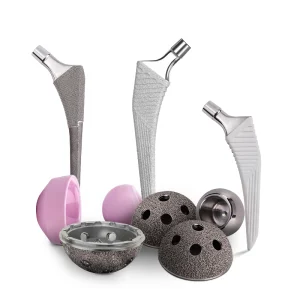
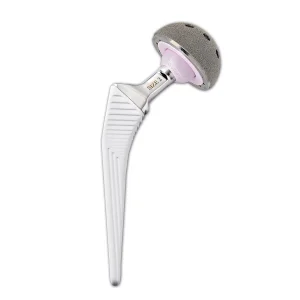
Historically, orthopedic revision systems relied heavily on monolithic implants, which limited the surgeon's ability to address length, offset, and version independently. Modern revision hip and knee surgery revolves around modularity. Specialized modular stems (such as the S-ROM Titanium Alloy system) allow independent proximal and distal sizing, affording surgeons the flexibility to bypass bone defects and achieve stable distal fixation in the femoral canal.
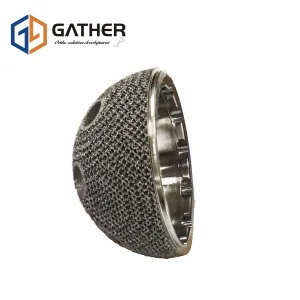
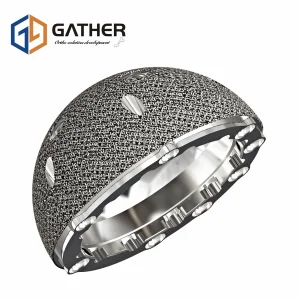
Modern revision hip and knee implants must resist severe wear and tear. Advanced materials like ultra-high-molecular-weight polyethylene (UHMWPE) with vitamin E stabilization are utilized in knee joint replacements to prevent oxidative degradation. For hip stems, titanium alloy (Ti-6Al-4V) remains the material of choice due to its modulus of elasticity closely matching cortical bone, thereby reducing stress shielding. Surface treatments such as plasma-sprayed hydroxyapatite (HA) or highly porous titanium structures facilitate rapid trabecular bone ingrowth, establishing long-term secondary stability without the need for bone cement in compromised host environments.
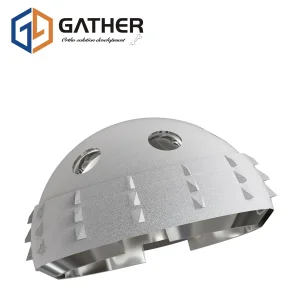
In revision knee arthroplasty, management of severe tibial and femoral bone loss (AORI Class II and III defects) is accomplished via modular revision systems. The integration of metaphyseal sleeves and highly porous metal cones allows surgeons to rebuild structural voids. This reduces reliance on structural allografts, which carry risks of resorption, infection, and non-union. Modern systems also present offset stems, letting surgeons shift the implant position relative to the medullary canal to ensure perfect anatomical alignment and stability.
Engineered precision, state-of-the-art facilities, and certified orthopedic implant workflows.
Beijing Tandir Medical Device Co., Ltd., established in 2022, serves as a high-precision supplier of orthopedic surgical solutions, medical consumables, and high-tier medical devices designed for global clinical markets. Our operations bridge advanced manufacturing, strict international standard alignment, and convenient logistics channels to meet the demanding requirements of hospitals, distributors, and health agencies globally, specifically within the expanding healthcare infrastructure of Libya.
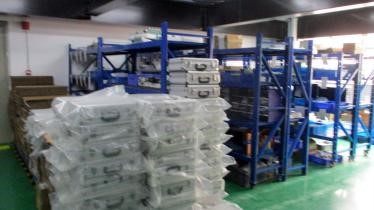
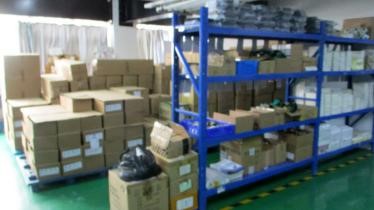
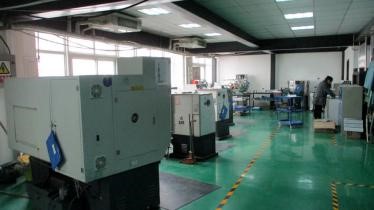
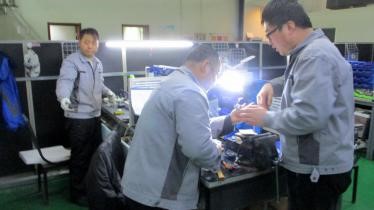
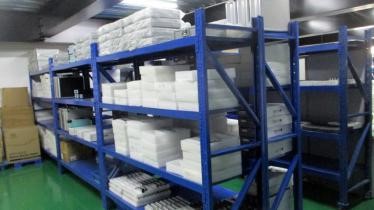
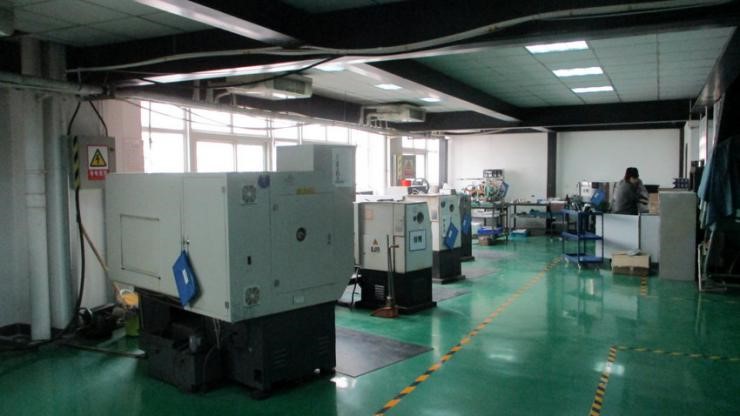
By partnering with state-of-the-art manufacturing facilities, we ensure every revision hip, knee, and trauma product undergoes rigorous inspection, automated machining, and clean-room sterilization. Our joint ventures house modern CNC machining systems, vacuum plasma spray units, and clean-room packaging infrastructure complying with CE and Class III ISO medical directives.

A step-by-step visual demonstration of raw materials transforming into clinical-grade implants.

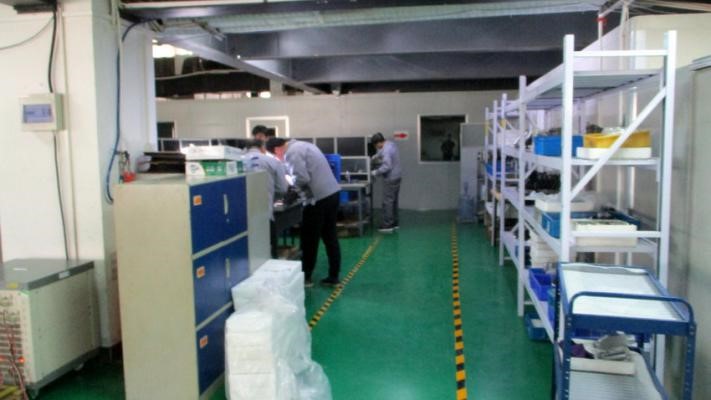
Custom packages configured to enhance surgical outcomes in Libyan private and public healthcare systems.
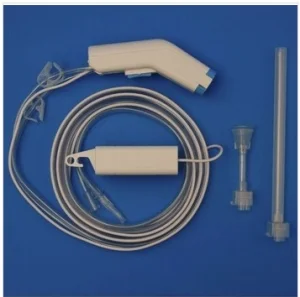
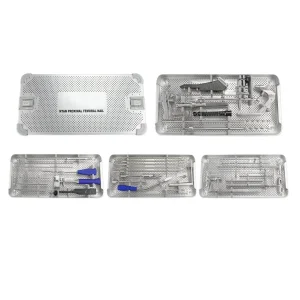
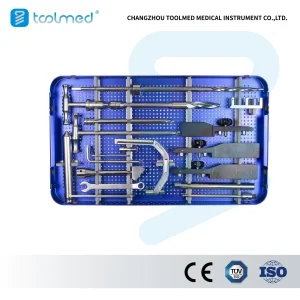
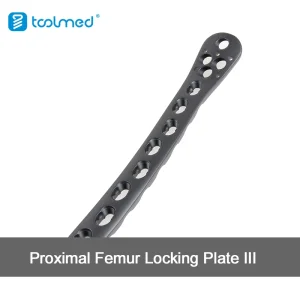
Libyan major referral hospitals often struggle with inconsistent supply chains for highly customized orthopedic sizes. Tandir Medical resolves this via "Consignment and Configured Kits." By delivering complete surgical suites—inclusive of revision implants, specialized proximal lateral femoral plates, and high-frequency pulsed lavage systems—we allow clinical centers to maintain preparedness. Pulsed lavage systems, for example, are vital in joint revisions to mechanically debride the surgical site, wash away bone cement fragments, and decrease PJI incidence rates.
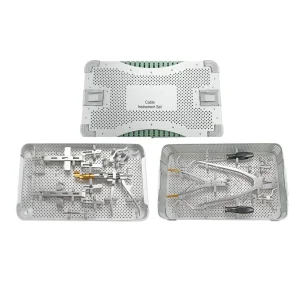
Introducing complex modular implants like S-ROM cementless joints requires precise surgical steps. We provide complete technical literature, digital animations, and instrumentation guides to support surgical training initiatives. Our technical support teams work closely with clinical staff in Libya to verify instrumentation compatibility (e.g., matching the cable instrument set with stabilization plates for femoral shaft periprosthetic fractures).
Explore our complete catalog of certified implants, plates, and corresponding instrumentation sets designed for bone reconstruction and stabilization.
Clinical, regulatory, and logistics inquiries regarding revision hip/knee procurement for Libya.