Tandir Orthopedic Implants
Tandir Orthopedic Implants
Tandir Orthopedic Implants
Engineered to international regulatory standards, serving critical clinical demands in Caracas, Maracaibo, and across Venezuela.
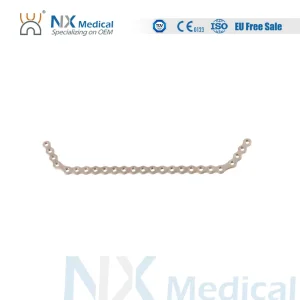
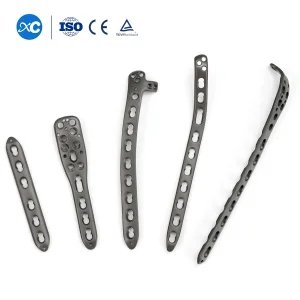
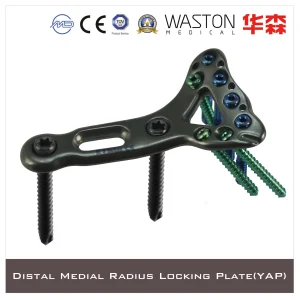
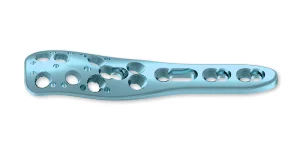
An in-depth analysis of clinical demand, supply-chain bottlenecks, and procurement strategy.
The healthcare system in Venezuela is characterized by a dual public-private framework. The public sector, spearheaded by the Ministry of People's Power for Health (MPPS) and the Venezuelan Institute of Social Security (IVSS), serves the vast majority of the population. Simultaneously, private clinics in metropolitan hubs like Caracas, Valencia, and Barquisimeto drive the adoption of high-end surgical procedures and advanced medical implants.
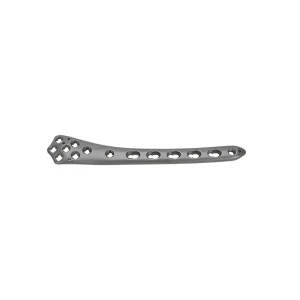
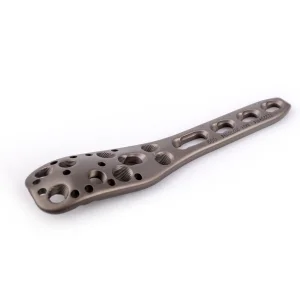
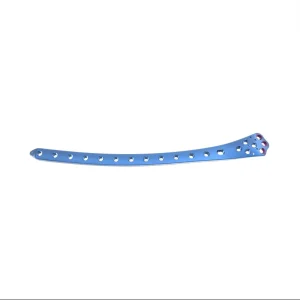
Historically, public hospitals have faced resource limitations, making cost-efficiency and clinical reliability key drivers in medical procurement. Orthopedic surgeons in Venezuela increasingly advocate for modern internal fixation systems—specifically locking compression plates (LCPs) and variable angle systems—to replace older, non-locking technologies. These modern systems significantly reduce operation times, minimize post-surgical complications, and speed up patient rehabilitation, offering a powerful value proposition in a highly constrained healthcare environment.

For medical device distributors in Venezuela, logistics and import clearing represent major business bottlenecks. Standardizing on trusted partners who provide comprehensive documentation (such as Certificate of Free Sale, ISO 13485, CE Certificates, and detailed material testing sheets) is crucial for smooth customs processing through ports like La Guaira and Puerto Cabello.
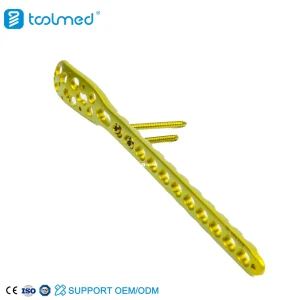
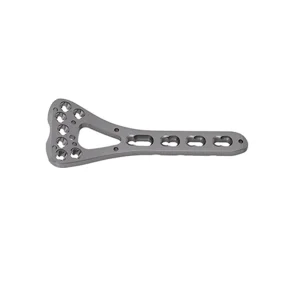
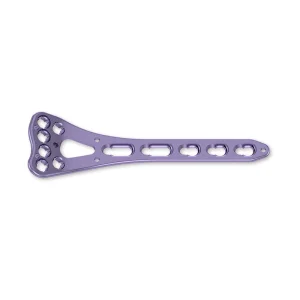
By establishing optimized direct-to-distributor pathways, manufacturers like Beijing Tandir Medical Device Co., Ltd. offer crucial supply-chain buffer stocks. This mitigates risks from currency fluctuations and lengthy regulatory approvals, ensuring that hospitals maintain consistent access to vital orthopedic components like small and large fragment locking plates, anatomical plates, and corresponding cortical/cancellous locking screws.
Discover the manufacturing foundation behind our high-performance orthopedic systems.
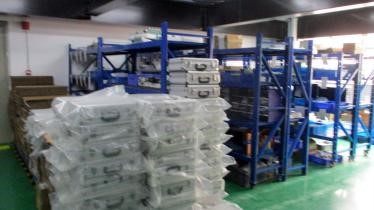
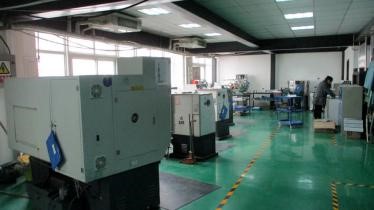
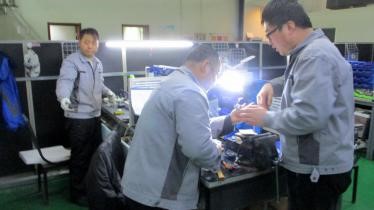
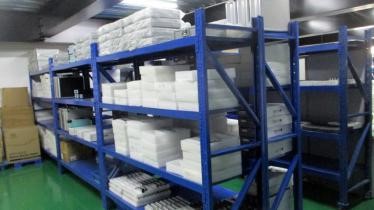
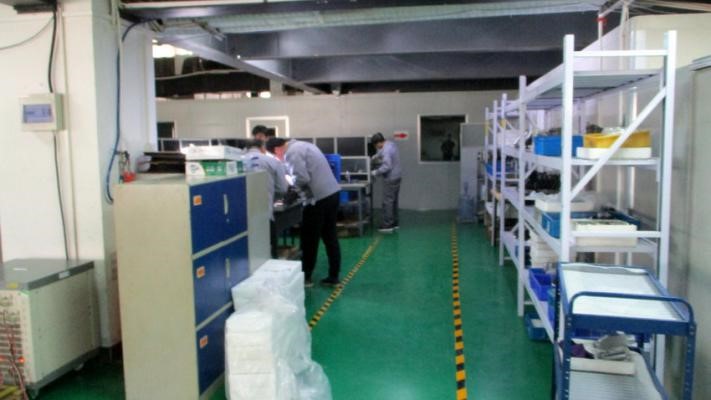
Established in 2022, Beijing Tandir Medical Device Co., Ltd. has quickly positioned itself as an authoritative supplier of high-precision medical implants and surgical consumables. Our strategic collaboration with advanced production facilities guarantees that every locking compression plate and screw conforms strictly to international biomedical standards (such as ASTM F136 titanium alloy and ASTM F138 stainless steel).



How Modern Locking Systems Resolve Complex Clinical Scenarios in Osteoporotic and High-Impact Trauma Cases.
Traditional bone plates rely heavily on the friction between the plate and the bone surface, which is generated by the tightening of non-locking screws. This friction-dependent mechanism presents significant clinical limitations, particularly in osteoporotic bone or complex comminuted fractures.
The introduction of locking plates revolutionized this standard. By securing the screw head inside the plate’s threaded hole, the construct forms a single rigid unit. This eliminates the necessity to press the plate tightly against the periosteum, preserving local blood supply and facilitating faster biological healing (callus formation).
Furthermore, Multi-Axial (Variable Angle) Locking Systems represent the latest evolution in this technological roadmap. Surgeons can now adjust the trajectory of locking screws up to 15 degrees in any direction. This capability is invaluable in articular fractures, where avoiding joint surfaces or existing implants is critical for post-operative functionality.
Implant performance is directly tied to metallurgical purity. Beijing Tandir Medical utilizes medical-grade titanium alloy (Ti-6Al-4V ELI) and high-purity stainless steel (316LVM) processing. These materials feature exceptional tensile strength, fatigue resistance, and absolute biocompatibility.
Our surface finishing methods include Type II anodic oxidation. This process forms a stable, bio-inert titanium dioxide layer that minimizes tissue adhesion, reduces metal ion release, and facilitates uncomplicated implant removal procedures when necessary.
Overcoming logistical vulnerabilities and guaranteeing regulatory compliance in Latin America.
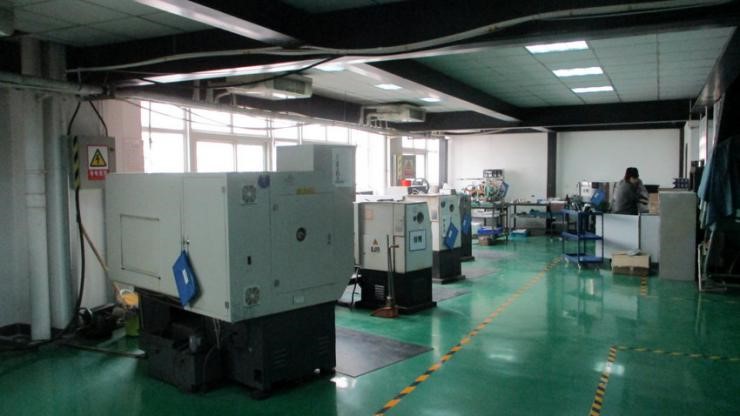
With the constant fluctuation of global raw material costs, Tandir Medical maintains robust multi-year titanium and surgical-grade steel reserves. Our automated CNC production lines run under strict ISO 13485 oversight, protecting downstream partners against sudden pricing shifts or delays.
By integrating advanced tooling systems, we achieve tight dimensional tolerances within 0.01mm. This ensures that every plate-and-screw thread interface fits perfectly, avoiding intra-operative thread jamming or cold-welding.
Registering medical products in Venezuela requires meticulous documentation that aligns with SACS (Servicio Autónomo de Contraloría Sanitaria) requirements. Tandir Medical supports distributors by providing detailed technical dossiers, bio-compatibility test reports, and sterilization validation logs (gamma radiation or ethylene oxide).
Additionally, we supply customizable trauma surgical instrument kits designed to endure repeated autoclave sterilization cycles, assuring Venezuelan orthopedic teams of reliable performance during complex emergency room procedures.
Technical, regulatory, and logistical clarifications for Venezuelan orthopedic surgeons and medical device buyers.
Complete anatomical selection for upper/lower limb reconstructive surgery and fracture fixations.