Tandir Orthopedic Implants
Tandir Orthopedic Implants
Tandir Orthopedic Implants
Advanced Trauma Solutions Optimized for Clinicians in the Democratic Republic of Congo
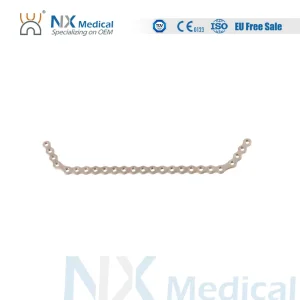
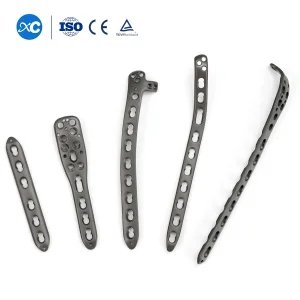
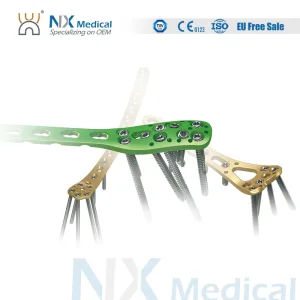
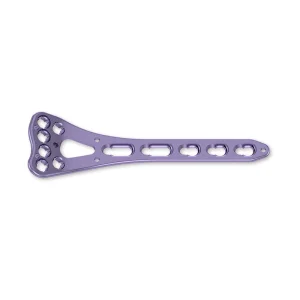
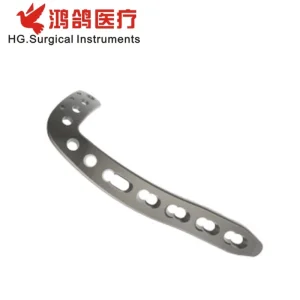
The Democratic Republic of Congo (DR Congo) represents one of the fastest-growing medical device markets in Central Africa. Due to a combination of intense industrial mining operations in areas like the Katanga region (Kolwezi, Lubumbashi) and high volumes of transport-related accidents on major urban axes such as Kinshasa and Goma, the clinical need for reliable fracture fixation is at an all-time high. Historically, trauma cases were managed using traditional external fixators or non-locking compression plates. However, the international medical community recognizes that Locking Plates and Screws (LCP) are the gold standard for reducing healing times, reducing non-union rates, and preventing post-surgical infections.
For orthopedic surgeons operating in Kinshasa’s leading referral hospitals, or healthcare units near mineral exploration sites in Lualaba, clinical conditions present unique challenges. Severe trauma cases frequently involve high-energy bone fragmentation. Standard plates often fail under these forces because they rely on bone-to-plate friction. Under severe load, conventional constructs slide and collapse. Locking plates work as fixed-angle constructs, meaning the screw head locks into the plate mechanically. This preserves periosteal blood supply, prevents bone necrosis, and provides stability even in osteoporotic bone or complex comminuted fractures common in industrial mining environments.
On a global scale, the orthopedics industry has shifted from standard stainless steel to high-tensile Grade 5 Titanium Alloys (Ti-6Al-4V ELI). This change dramatically improves biocompatibility and fatigue resistance. Beijing Tandir Medical Device Co., Ltd. leads this shift, engineering trauma implants that conform to rigorous international standards (ASTM F136). By importing these premium implants, DR Congo healthcare institutions bridge the gap between local clinical capacity and global technological standards, securing superior patient outcomes and minimizing revision surgeries.
Choosing the correct orthopedic implant is not merely about size; it requires a deep understanding of bio-mechanical engineering. Modern locking plate systems leverage three key technical frameworks:
Standard locking systems restrict screws to a predefined path. Variable Angle locking technology allows surgeons to angle the locking screw within a 15-degree cone. This feature is vital for bypassing existing hardware, avoiding joint lines, and targeting optimal bone quality.
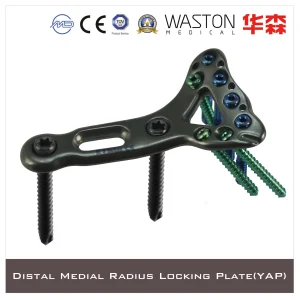
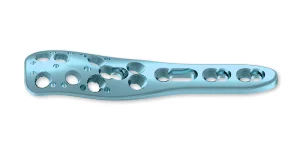
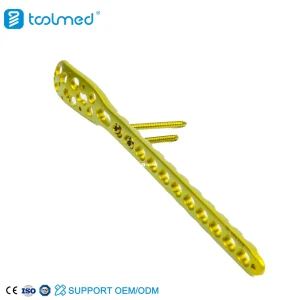
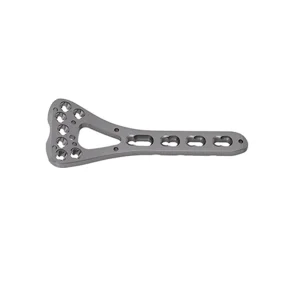
Our plates are precision-milled using advanced CNC technology to match specific bone geometries (such as the distal radius, proximal humerus, or lateral distal femur). This reduces the need for intraoperative plate bending, preserving the metal's structural integrity and shortening surgical times.
Beijing Tandir utilizes electrochemical anodization to create a bio-inert surface oxide layer. This layer minimizes tissue adhesion, reduces metal ion release, and prevents cold welding between the locking screw head and plate threads.
The next phase of trauma care revolves around reducing patient discomfort caused by cold-weather ache or hardware prominence. While titanium remains the standard for heavy loading, our partner research facilities are actively mapping the performance of magnesium-based alloys. Additionally, customized plate configurations for complex pelvic reconstructions are shifting towards 3D-milled customized plates, establishing a path for more precise localized surgeries across Central Africa.
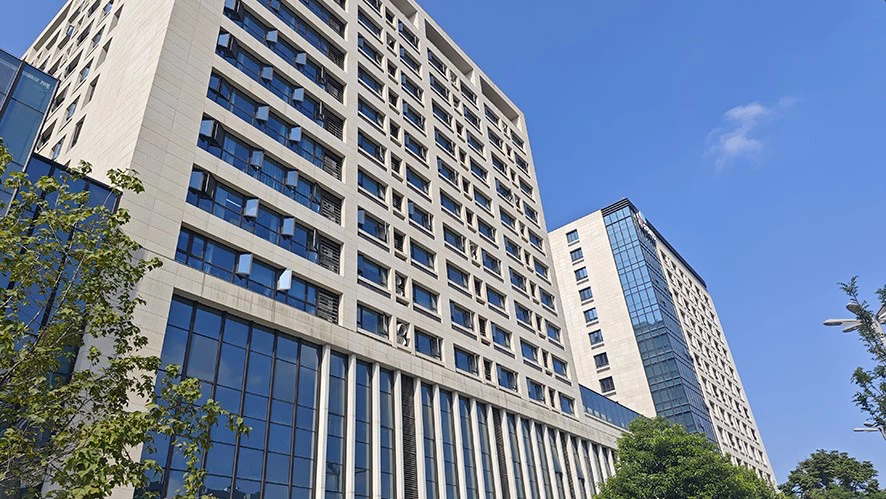
Established in 2022, Beijing Tandir Medical Device Co., Ltd. is a leading supplier of professional medical equipment, medical consumables, and orthopedic implants. We deliver high-quality trauma solutions tailored to the global market, backed by robust logistics networks. Our close partnerships with state-of-the-art production facilities ensure all products adhere to rigorous international quality standards. Innovation, precision engineering, and customer satisfaction drive our operations.
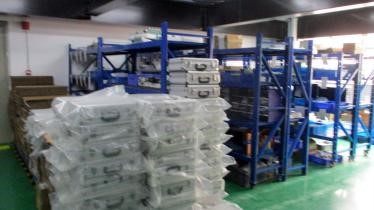
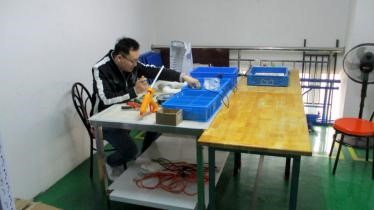
Our team blends industry expertise with technical precision. Collaborating with factories featuring highly trained frontline workers, we monitor the entire cycle from R&D to final sterilization. All manufacturing processes meet CE and FDA requirements, guaranteeing safety, reliability, and clinical excellence.
Production Workers
Workshop Space
Production Lines
Innovation Team
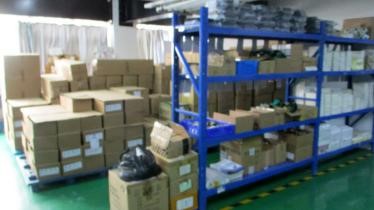
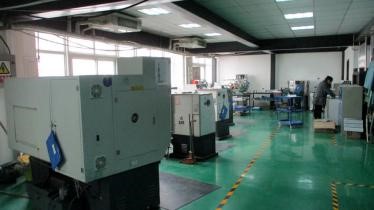
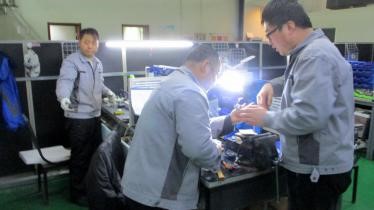
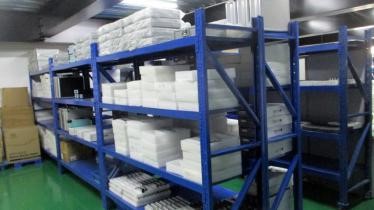
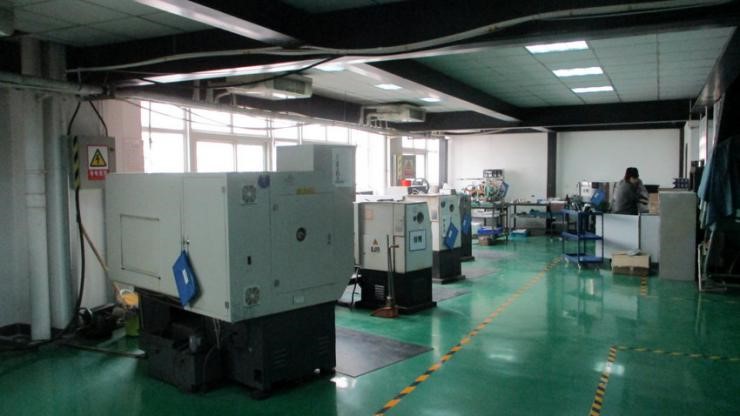
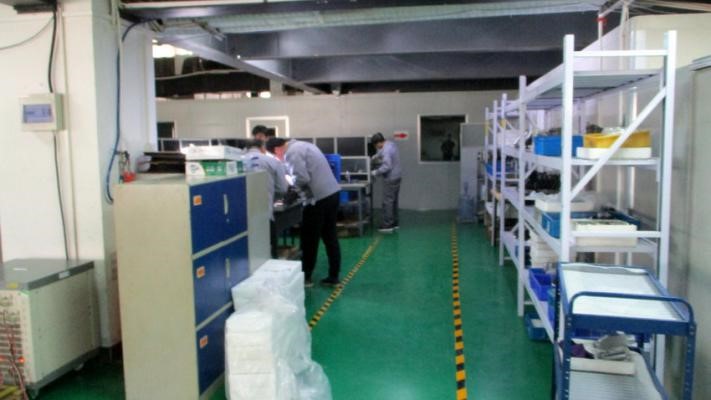
Supplying trauma implants to regions like Central Africa requires deep logistical preparation. At Beijing Tandir, we tailor our solutions to match the importing requirements of local hospitals and distributors in DR Congo:
Explore our selection of variable angle locking plates and titanium trauma systems
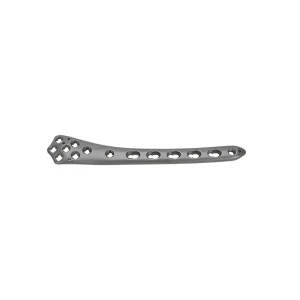
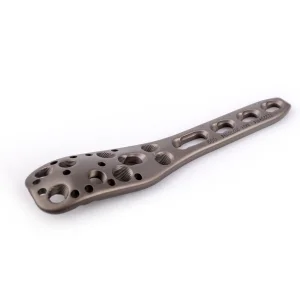
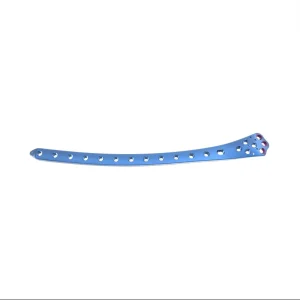
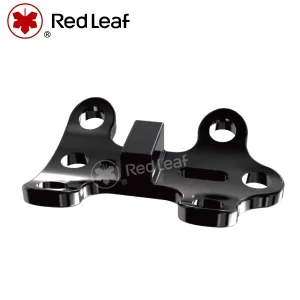
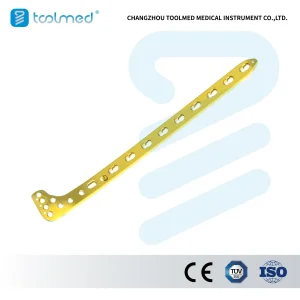
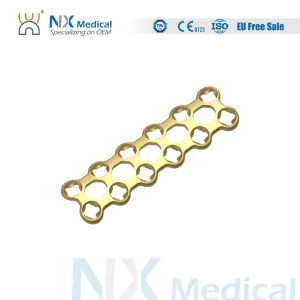
Insights on regulatory compliance, delivery times, and quality standards for medical buyers
Partner with Beijing Tandir Medical Device Co., Ltd. to optimize your supply chain, reduce surgery revision rates, and access certified titanium implants across DR Congo.