Tandir Orthopedic Implants
Tandir Orthopedic Implants
Tandir Orthopedic Implants
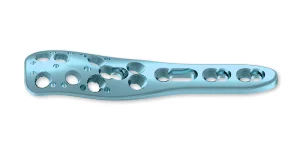
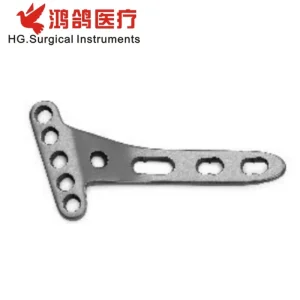
Premium titanium and stainless steel implants engineered for rapid fracture stabilization and optimal bone healing protocols in high-demand surgical environments.
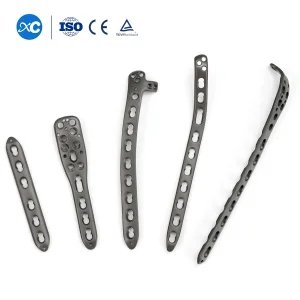
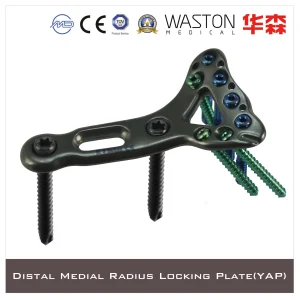
Established in 2022, Beijing Tandir Medical Device Co., Ltd. stands as an authoritative force in the medical manufacturing sector, specializing in clinical-grade orthopedic systems, trauma implants, and precision surgical instruments. Utilizing high-strength, biocompatible materials like Ti-6Al-4V ELI titanium alloy and 316L implantable stainless steel, our facilities ensure each locking plate and cortical/cancellous locking screw conforms to international safety metrics (CE, ISO 13485, and FDA guidelines).
Through robust logistics frameworks, we bridge global supply chains directly to hospitals, distributors, and Ministry of Health departments across Central Africa, with a primary export vector serving Equatorial Guinea. By maintaining a focus on scientific innovation, mechanical testing, and clinical feedback, we support medical professionals with locking constructs designed for complex anatomical challenges.
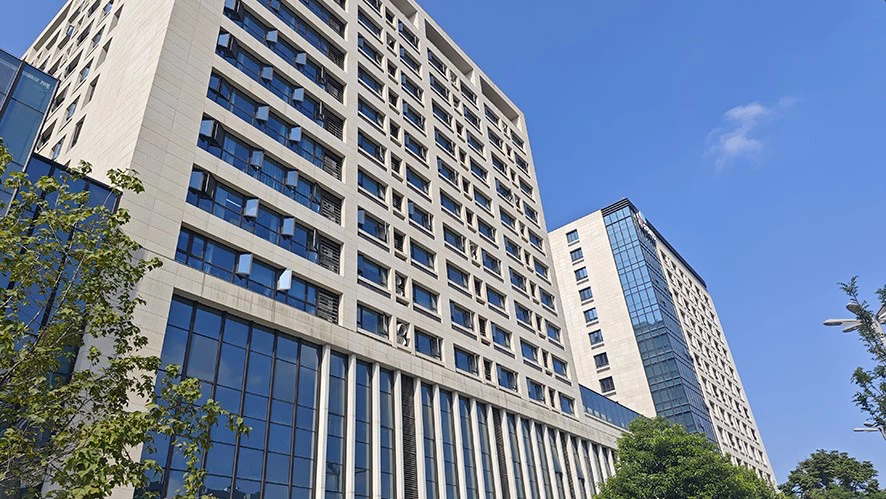
Equatorial Guinea's healthcare system, coordinated through the Ministry of Health and Social Welfare (MINSABS) and the National Social Security Institute (INSESO), is experiencing a structural modernization phase. The operationalization of major tertiary centers—such as the La Paz Medical Centers in Malabo and Bata, along with the Regional Hospitals of Malabo and Bata—has escalated demand for high-quality orthopedic implants.
Traumatology departments face substantial challenges stemming from high-impact transport accidents on regional expressways, offshore oil and gas industrial injuries, and construction sector accidents. Historically reliant on long-lead imports from Europe, local clinical procurement officers are transitioning to direct, certified manufacturers capable of delivering customized, biocompatible implant systems that meet European regulatory standards at sustainable cost structures.
By offering dynamic supply lines directly to Malabo (Bioko Island) and Bata (Litoral Province), Tandir provides locking plate solutions that reduce waiting periods, lower surgical complications, and support early mobilization protocols crucial for local economic recovery.
Primary Hubs: Malabo (Aeropuerto de Malabo-Santa Isabel) & Bata Port Corridors.
Clinical Focus: High-energy trauma, long-bone non-unions, and multi-axial distal radius and tibial fracture configurations.
Compliance Standard: CE / ISO 13485 alignment for direct integration with INSESO-supported public health contracts.
A technical assessment of modern osteosynthesis paradigms, metallurgical integrity, and biological fixation principles.
In modern osteosynthesis, implant material selection dictates long-term biocompatibility and biomechanical stability. Titanium alloy (specifically Ti-6Al-4V ELI conforming to ASTM F136 / ISO 5832-3) exhibits a modulus of elasticity closer to cortical bone compared to traditional 316L stainless steel. This property reduces "stress shielding," a phenomenon where the implant bears the entirety of the mechanical load, potentially leading to bone resorption and implant loosening.
Furthermore, titanium's spontaneous formation of a stable, passive oxide layer (TiO₂) enhances corrosion resistance in physiological environments and fosters osseointegration. For complex trauma applications in Central Africa, providing both titanium and stainless steel variants allows surgeons to balance financial constraints with patients' long-term clinical needs.
Traditional dynamic compression plates (DCP) rely entirely on friction between the plate and the underlying bone cortical surface, requiring tight torque application to achieve stability. This friction-based stability can compromise the periosteal blood supply, delaying cortical remodeling.
Locking Compression Plates (LCP) represent a paradigm shift by creating a "fixed-angle construct." The threaded screw head locks directly into the plate's matching combi-holes, transforming the plate-screw assembly into an internal fixator. This design minimizes plate-to-bone contact, preserving the crucial periosteal microcirculation while providing stability in osteoporotic bone or multi-fragmentary fractures where screw purchase is otherwise compromised.
How Variable Angle (VA) locking systems and custom anatomical profiles are shaping the next generation of trauma surgery.
Standard locking plates restrict screw insertion to a predefined trajectory, which can present challenges in complex intra-articular fractures. Our Variable Angle LCP systems feature advanced combi-holes that allow surgeons to angle screws up to 15 degrees in any direction from the central axis. This capability enables precise targeting of specific bone fragments, avoiding articular surfaces and joint spaces while maintaining a stable, fixed-angle construct.
Additionally, anatomical pre-contouring of plates reduces the need for intraoperative bending. Bending plates during surgery can introduce micro-cracks and structural stress points, increasing the risk of implant fatigue failure. Pre-contoured designs for the humerus, distal radius, and lateral tibia improve anatomical alignment and reduce operative time.
Future development focuses on minimizing surgical trauma through Minimally Invasive Plate Osteosynthesis (MIPO) techniques. Utilizing specialized percutaneous insertion instruments, plates can be threaded sub-muscularly across the fracture zone, minimizing soft-tissue disruption. Preserving the surrounding soft-tissue envelope retains vital growth factors and vascular networks, supporting faster healing times and lower infection rates in complex clinical environments.
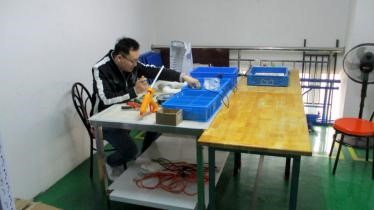
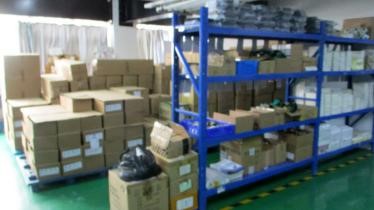
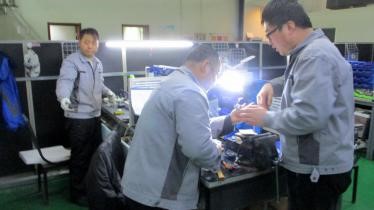
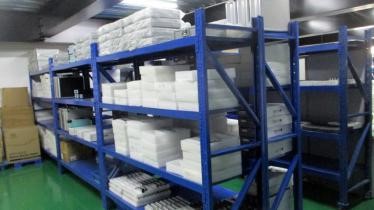
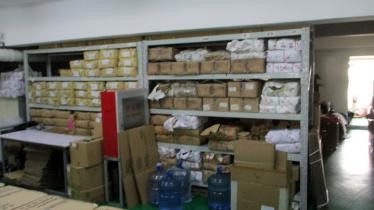
Inside our advanced production lines, where precision engineering meets stringent quality assurance protocols.
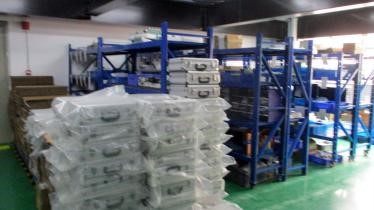
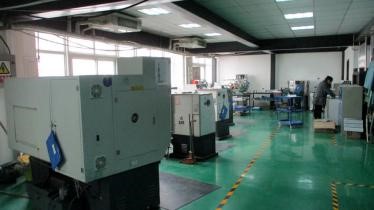
Addressing the specific clinical and environmental challenges faced by orthopaedic surgeons in Central Africa.
Rapid urban development and road network expansions in Bata and Malabo have correlated with an increase in high-energy motor vehicle accidents. These incidents often cause complex, comminuted fractures of the femur, tibia, and humerus. Standard compression plates struggle to provide sufficient stability in such cases, which frequently involve multi-fragmented bone segments.
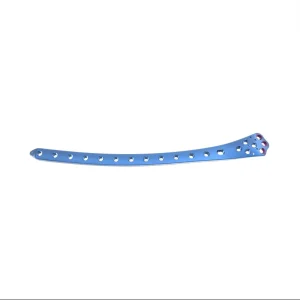
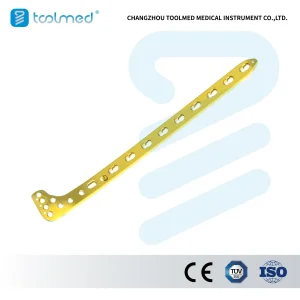
Our distal femoral and tibial locking plates are designed to provide the necessary stability to bridge these fracture gaps, supporting early post-operative mobilization and reducing the risk of joint stiffness or muscle atrophy.
Equatorial Guinea's status as a regional hydrocarbons hub means its clinical facilities regularly treat offshore industrial injuries. Hand, wrist, and forearm crush injuries require precise, reliable fixation. The Distal Radius Locking Plate series and Maxillofacial Plate systems are designed to address these requirements, allowing for anatomic alignment and helping to preserve fine motor function in high-demand industrial workers.
Technical guidance for hospital purchasing departments, distributors, and surgeons evaluating trauma systems.
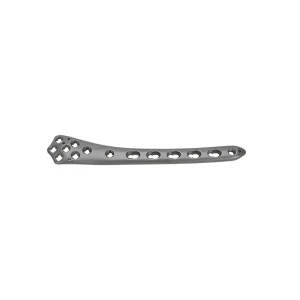
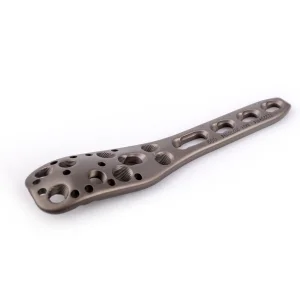
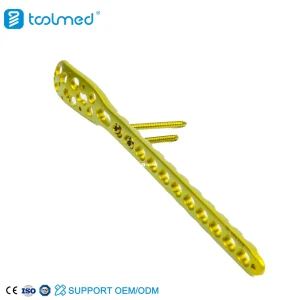
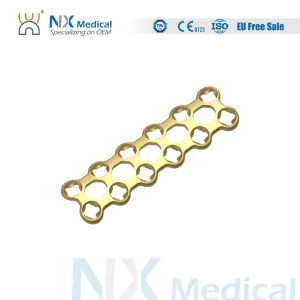
A wider range of anatomical plates, variable-angle implants, and osteotomy systems designed for various clinical applications.
Partner with a dedicated exporter to supply your medical facility, clinic, or distribution network in Equatorial Guinea. Contact our technical team today for documentation, sample kits, and wholesale quotations.