Tandir Orthopedic Implants
Tandir Orthopedic Implants
Tandir Orthopedic Implants
Primary clinical constructs engineered for immediate mechanical stabilization and optimized load distribution.
Calgary, Alberta, traditionally known for energy and logistics, is rapidly transitioning into a major hub for biotechnology and advanced medical engineering. Fuelled by collaborative platforms like the University of Calgary’s McCaig Institute for Bone and Joint Health, the region has attracted immense engineering talent focused on biomaterials, clinical testing, and musculoskeletal research.
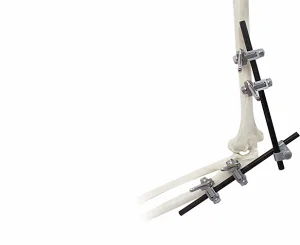
As a central node in Western Canada’s commercial network, Calgary provides direct logistics lanes to both North American markets and international shipping ports. This strategic geographic position facilitates rapid turnarounds for hospital networks demanding customized linear external fixators, unilateral distraction devices, and modular hybrid fixator clamps.
"By linking global production efficiencies with Calgary's strict engineering and quality assurance standards, medical device importers achieve optimal cost performance ratios without compromising surgical outcomes."

Ensuring torsional rigidity, axial compression balance, and physiological loading pathways for dynamic fracture consolidation.
The selection of structural materials determines the biological and mechanical compatibility of external fixation clamps, rods, and transfixion pins:
In concert with academic researchers in Calgary's biomechanics centers, our production plants are aligning with the next generation of digital trauma care:
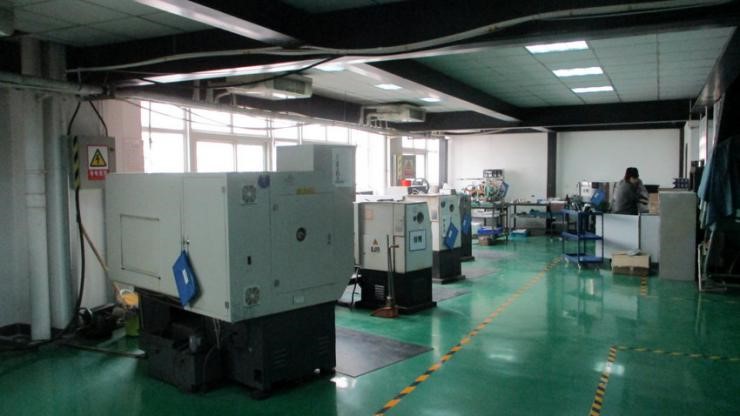
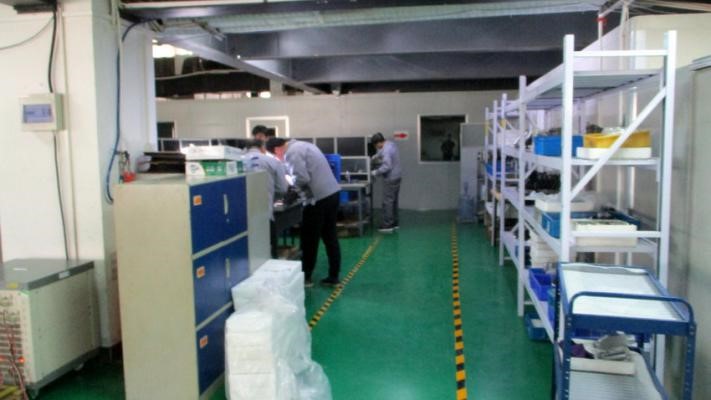
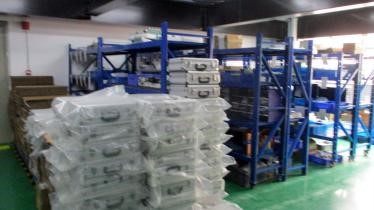
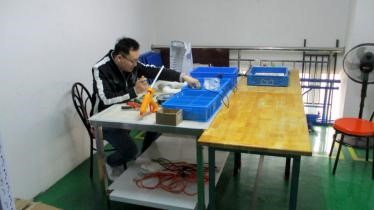
Beijing Tandir Medical Device Co., Ltd. (established 2022) combines industry expertise with technical precision, supported by partner factories featuring skilled front-line employees.
From research and development (R&D) to production and quality control, we collaborate closely to ensure all our products meet CE and FDA requirements. Customer-centric service, transparent communication, and timely logistics delivery represent the foundational pillars of our operations.
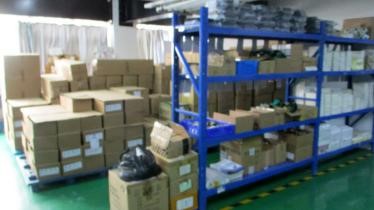
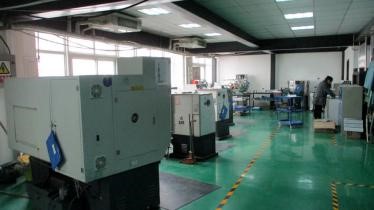
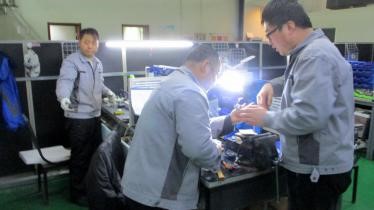
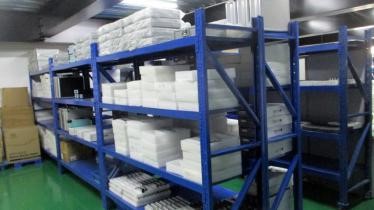
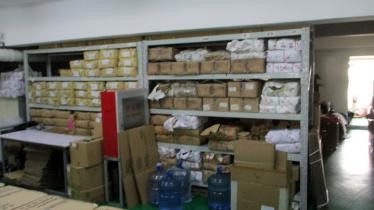
Navigating compliance, inventory control, and raw material authenticity in orthopedic trauma supply chains.
Hospital purchasing organizations and medical device distributors in Calgary and worldwide struggle with supply chain vulnerabilities. Standard problems include delayed production times for custom-ordered titanium rods, volatile raw material costs, and failure to meet the latest European Medical Device Regulations (MDR) and Health Canada Medical Device Licenses (MDEL).
At Tandir Medical, we address these bottlenecks through a multifaceted approach:
Every batch of implantable titanium alloy or surgical-grade stainless steel is accompanied by chemical analysis and mechanical testing mill certificates.
Our systems conform to ISO 13485:2016 quality standards, facilitating expedited regulatory registrations with local health ministries.
With 11 advanced production lines running simultaneously, we can scale production from micro-lot prototypes to major national tenders.
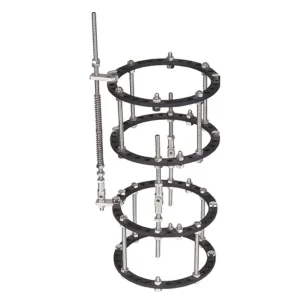
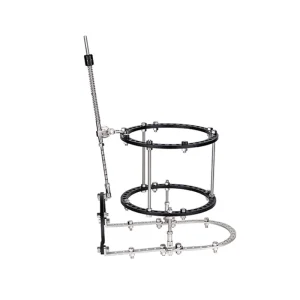
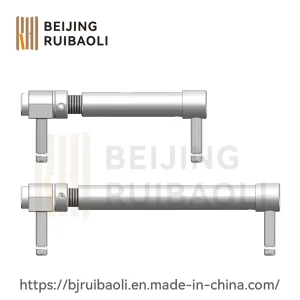
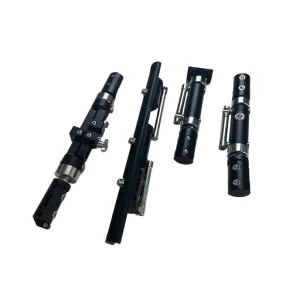
Full technical catalog of sterile and non-sterile configurations including transfixion pin clamps, mini-fixation tracks, and ring fixators.
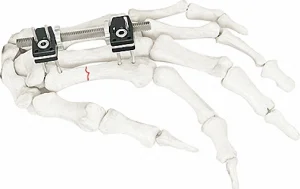
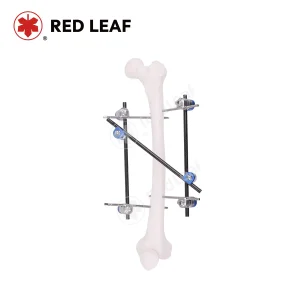
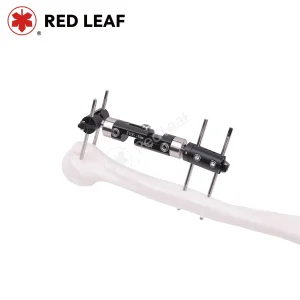
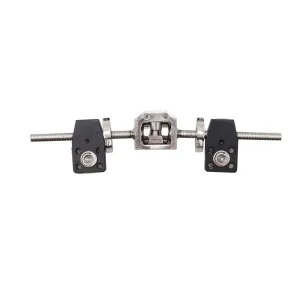
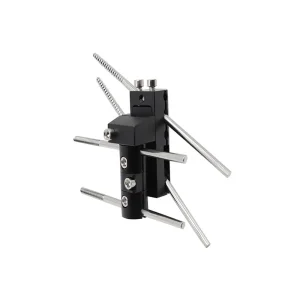
Harmonizing international medical manufacturing protocols with Canadian clinical standards.
Operating in the trauma medicine market demands flawless execution of biological compatibility validation and environmental cleaning audits. Every linear external fixator manufactured in our facilities undergoes rigorous cleanroom packaging, preventing bioburden accumulation prior to terminal sterilization.
We provide complete technical documentation packages designed to streamline approval processes with international bodies:
Our products undergo certified Ethylene Oxide (EtO) or Gamma irradiation sterilization cycles according to ISO 11135 and ISO 11137 protocols, assuring a Sterility Assurance Level (SAL) of 10-6.
In accordance with ISO 10993, all implantable components (including transfixion pins and wire clamping bolts) pass full cytostatic, sensitization, and intracutaneous reactivity screenings.
Clear, technical answers to common procurement, design, and regulatory queries regarding external fixators.
Connect directly with our engineering and procurement desks to receive customized price sheets, technical spec diagrams, and regulatory portfolios.