Tandir Orthopedic Implants
Tandir Orthopedic Implants
Tandir Orthopedic Implants
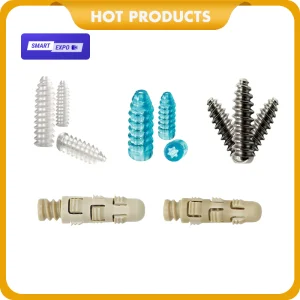
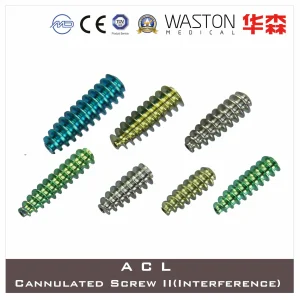
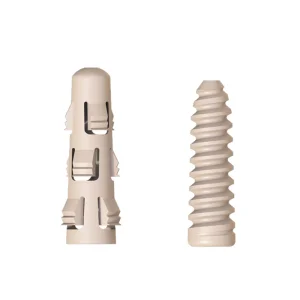
High-precision interference screws tailored for the Australian sports medicine market.
Australia stands at the forefront of global orthopedic surgery and sports medicine. With a culture deeply rooted in physical activity—ranging from AFL (Australian Rules Football) and Rugby to Cricket and surfing—the demand for high-performance ligament reconstruction technology is exceptionally high. As a leading Interference Screws Manufacturer & Exporter in Australia, we understand that local clinics in Sydney, Melbourne, and Brisbane require implants that offer not just fixation, but long-term biological integration.
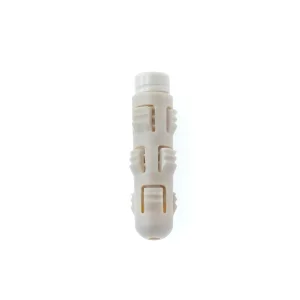
The Australian healthcare sector is characterized by its rigorous TGA (Therapeutic Goods Administration) standards, ensuring that only the highest quality medical devices reach patients. Our production processes are designed to align with these stringent requirements, providing PEEK and Bioabsorbable options that meet the biomechanical demands of elite athletes and the aging population alike.
Technical Specifications
Global Excellence in Medical Consumables & Equipment
Beijing Tandir Medical Device Co., Ltd. was established in 2022. It is a professional supplier of medical equipment, medical consumables and medical equipment, dedicated to providing high-quality solutions for the global market. Its geographical location offers convenient logistics, and it has established close cooperation with factories equipped with advanced production facilities, adhering to international quality standards and emphasizing innovation to meet the constantly changing needs of customers.
Production Workers
Workshop (㎡)
Production Lines
Innovation Team
Our team combines industry expertise with technical precision, supported by partner factories featuring skilled front-line employees. From R&D to production and quality control, we collaborate closely to ensure products meet CE/FDA requirements. Customer-centric service and timely delivery are core values embedded in our operations.
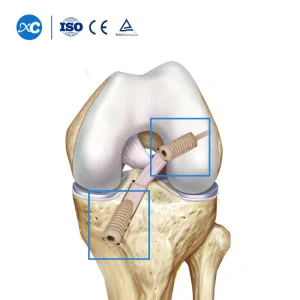
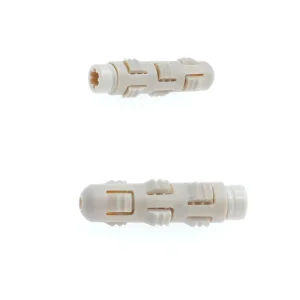
Australia is home to world-class sports medicine institutes. Our PEEK interference screws are used in ACL/PCL reconstructions for professional athletes who require rapid rehabilitation and secure graft fixation to return to high-impact sports.
From the Royal Prince Alfred in Sydney to the Alfred Hospital in Melbourne, our interference screws provide reliable solutions for orthopedic surgeons performing arthroscopic procedures on a diverse patient demographic.
The Australian veterinary market is expanding rapidly. High-quality interference screws are increasingly sought after for CCL (Cranial Cruciate Ligament) repairs in larger canine breeds across regional Australia.
The Australian medical device market is shifting toward biological fixation and minimally invasive surgery. As a forward-thinking manufacturer, we are focusing on several key trends that define the future of orthopedic implants in the Oceania region.
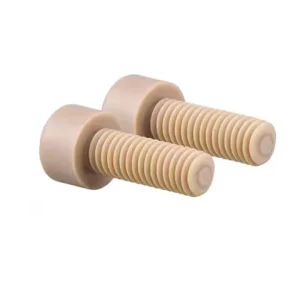
In Australia, surgeons are increasingly opting for PEEK interference screws due to their radiolucency. Unlike traditional titanium screws, PEEK does not create imaging artifacts on MRI or CT scans, allowing Australian radiologists to monitor post-operative healing with unparalleled clarity. Our PEEK screws provide a modulus of elasticity similar to human bone, reducing the risk of stress shielding.
The trend toward "nothing left behind" is growing. Our PLLA and biocomposite screws are designed to slowly resorb into the body, being replaced by natural bone over time. This is particularly popular in Australian pediatric orthopedics and for patients who are hesitant about permanent metal hardware.
Australia’s focus on environmental impact means that medical exporters must optimize supply chains. Beijing Tandir leverages advanced logistics to reduce carbon footprints during the export of medical consumables to Australia, ensuring that high-tech medical solutions arrive efficiently and responsibly.
With Australia’s investment in digital health, we are seeing a trend toward integrating implant data with patient records. Our interference screws are manufactured with high precision to ensure compatibility with various surgical guidance systems used in modern Australian operating theatres.
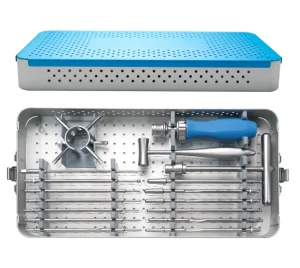
Finding a reliable Interference Screws Manufacturer & Exporter requires a partner who understands the nuances of the Australian market. We provide comprehensive support, from technical documentation for TGA compliance to specialized packaging for long-distance international shipping.
Explore our full catalog of high-quality fixation solutions.
While our core focus remains on sports medicine, the technology behind high-precision interference screws extends into other vital industries in Australia. From specialized laboratory equipment to the construction sector, the principles of interference fixation are universal.
In Australian orthopedic practice, the success of an ACL reconstruction is often measured by the stability of the graft during the first 6-12 weeks post-surgery. Our interference screws are engineered to provide maximum pull-out strength, ensuring that the graft remains securely anchored in the femoral and tibial tunnels while biological integration occurs. This is critical for the "Aggressive Rehab" protocols commonly used by Australian physiotherapists to get athletes back on the field.
Furthermore, the varied climate in Australia—from the humid tropics of Queensland to the dry heat of Western Australia—requires medical consumables that are stored and transported under strict environmental controls. Our packaging solutions ensure that bioabsorbable screws maintain their structural integrity throughout the entire supply chain from our manufacturing facility to the Australian surgical suite.
As the Interference Screws Manufacturer & Exporter in Australia, Beijing Tandir remains committed to innovation. We are currently exploring biocomposite materials that incorporate hydroxyapatite (HA), a natural mineral of bone, to further enhance the osteoconductive properties of our screws, specifically for the Australian market where patient outcomes are the primary driver of product selection.