 Tandir Orthopedic Implants
Tandir Orthopedic Implants
Tandir Orthopedic Implants
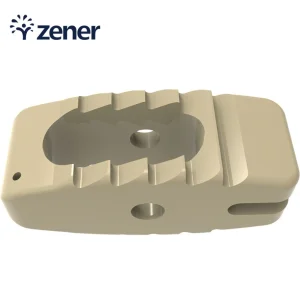
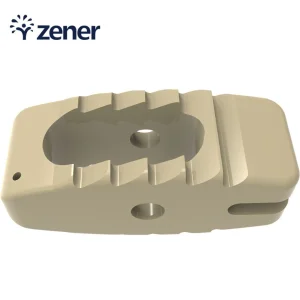
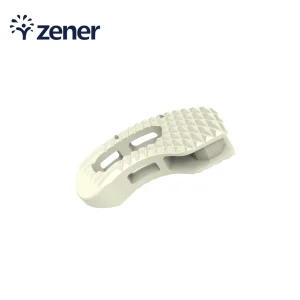
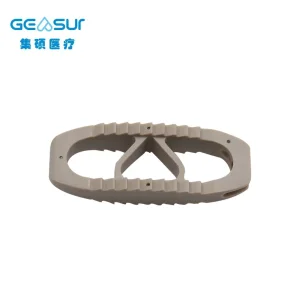
Engineered to meet international quality standards and built for demanding surgical operations, these interbody fusion devices provide robust biomechanical profiles, optimized load sharing, and excellent radiographic visibility.
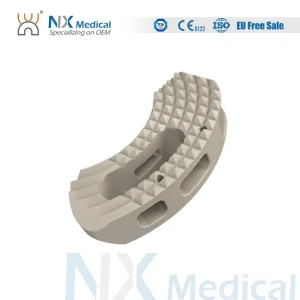
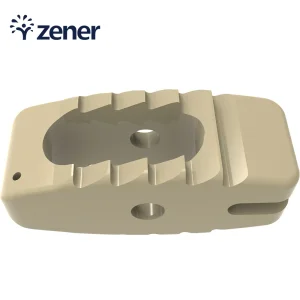
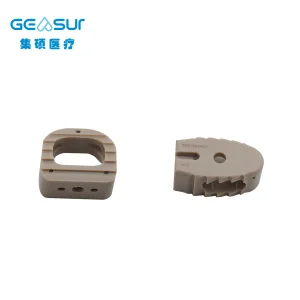
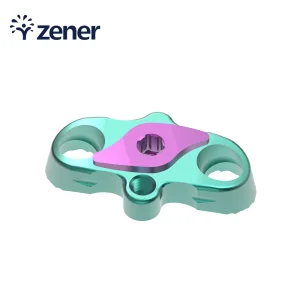
Spinal disorders, disc herniations, and degenerative disc diseases represent a significant segment of musculoskeletal pathology worldwide. However, managing these issues in remote, oceanic environments like Kiribati (specifically at clinical centers such as the Tungaru Central Hospital in Tarawa) presents unique, localized hurdles. In island nations, the primary challenges to advanced healthcare provision involve supply chain continuity, extreme maritime environments requiring high-durability medical barrier packaging, and varying levels of specialized surgical equipment storage.
Historically, patients in Kiribati requiring advanced spine fusions often had to rely on international medical evacuation schemes to Fiji, New Zealand, or Australia. The introduction of modern, modular orthopedic systems, paired with visiting surgical specialist teams, is changing this dynamic. To support these programs, hospitals require exceptionally reliable spinal fusion cages. Devices manufactured from Biocompatible PEEK (Polyetheretherketone) and enhanced with Osteointegrative Titanium (Ti) coatings represent the gold standard in reducing donor site morbidity and ensuring long-term mechanical stability without sacrificing postoperative radiological inspection.
"Medical device efficacy in remote regions is defined not just by mechanical survival, but by its resistance to bio-corrosion, the simplification of the surgical toolkit, and the reliability of manufacturing sterilization barriers."
Modern spinal fusion operations depend heavily on the selection of optimal biomaterials. Historically, medical-grade titanium was popular due to its high tensile strength and affinity for bone bonding (osseointegration). However, solid titanium implants create a mismatch in elastic modulus compared to host cortical bone (cortical bone ~18 GPa; titanium alloy ~110 GPa). This mismatch leads to stress shielding, where the metal cage absorbs all the load, causing the surrounding bone to resorb, which can result in cage subsidence.
PEEK (Polyetheretherketone) provides an elastic modulus (~3.6 GPa) much closer to human cortical bone. It is also radiolucent, which means surgeons can easily monitor bone fusion on X-rays or CT scans. By applying a micro-textured titanium coating to the surface of a PEEK cage, our manufacturing process achieves the ideal clinical compromise: the load-sharing benefits and radiolucency of PEEK, paired with the rapid osteointegration and mechanical stability of titanium.
Established in 2022, Beijing Tandir Medical Device Co., Ltd. is a specialized supplier of medical equipment, medical consumables, and high-precision orthopedic implants dedicated to providing high-quality solutions for the global market. Our strategic location facilitates streamlined global logistics, allowing us to serve isolated geographies like Kiribati and the wider Pacific region efficiently.
We collaborate with modern production facilities adhering to stringent international quality standards (ISO 13485, CE, and FDA guidelines). Our engineering teams focus on product innovation to meet the dynamic needs of modern orthopedic surgeons.

From material selection to cleanroom packaging, our production cycle is tightly monitored. We utilize CNC Swiss-type lathes for titanium machining, high-performance injection molding and extrusion for PEEK components, and plasma spray technologies for biological titanium coatings.
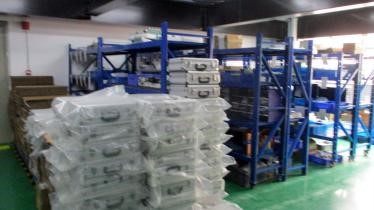


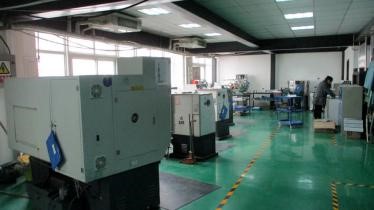
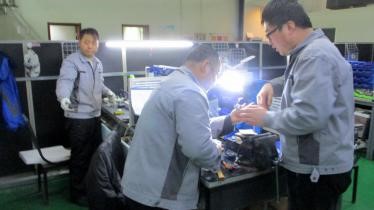
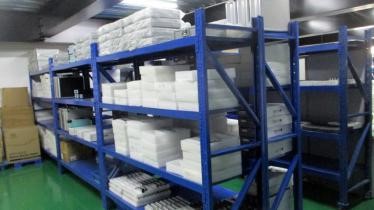
Our forward-looking R&D efforts ensure that we supply Kiribati and other global medical partners with cutting-edge orthopedic technologies designed for optimal patient outcomes.
Introducing 3D-printed porous titanium surface interfaces that mimic the trabecular architecture of cancellous bone, encouraging cellular migration and capillary ingrowth directly into the implant structural walls.
Developing customized, single-use surgical instrument packs designed specifically for remote locations like Kiribati. This eliminates the dependency on complex autoclaving cycles prior to urgent surgeries.
Expanding CT-to-CAD design interfaces to generate patient-matched cages for severe spinal trauma and deformities, allowing specialized visiting surgeons to plan operations with extreme precision.
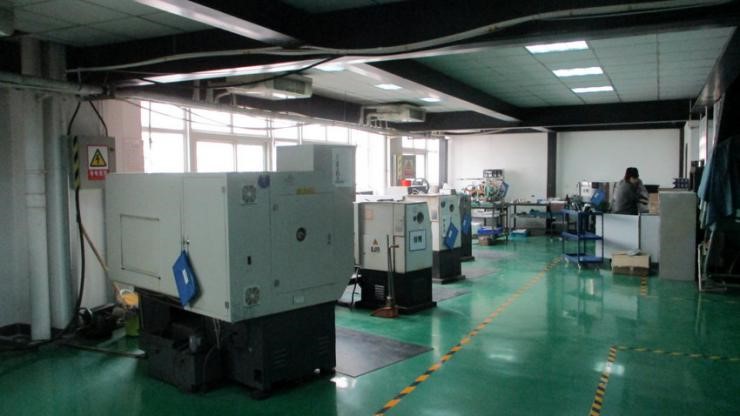
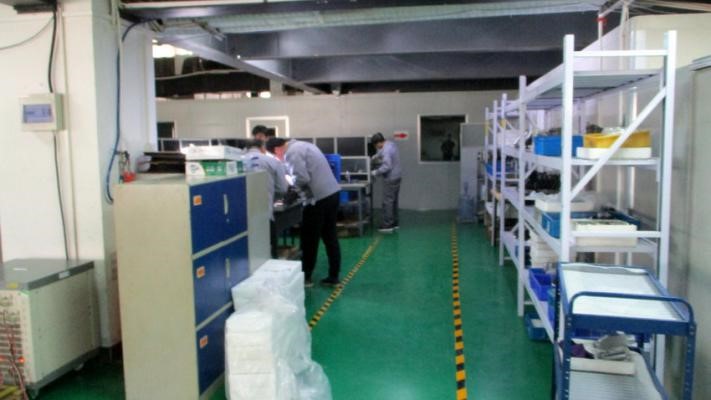

Degenerative disc disease management requires customized anatomical access. The surgical approach depends heavily on the patient's pathology, the targeted spinal level, and the surgeon's experience. Our implant catalog covers all standard pathways:
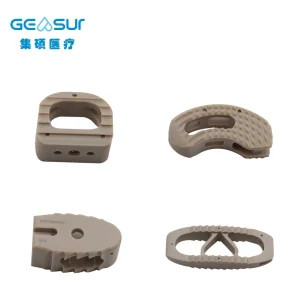
The traditional PLIF approach allows direct visualization of the nerve roots and bilateral insertion of fusion cages. Our PLIF cages feature bulleted noses for ease of insertion and specialized teeth patterns to prevent backward migration.
TLIF reduces the need for dural retraction compared to PLIF, lowering the risk of nerve root injury. Tandir's TLIF cages are designed for oblique placement across the anterior column, optimizing sagittal alignment and ensuring a large graft window for maximum bone fill.
OLIF accesses the disc space anterior to the psoas muscle, minimizing injury to the lumbar plexus and avoiding posterior structural damage. Our OLIF implants provide large footings to restore disk height and maintain correct lumbar lordosis.
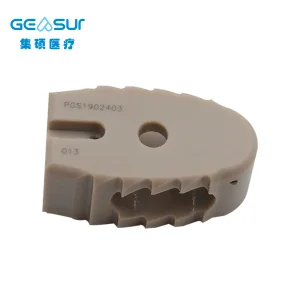
Clinical Advantage: Every cage in our range is designed with generous internal windows to support bone autografts or synthetic bone substitutes, encouraging solid bridging across the joint space.
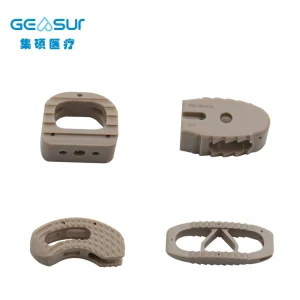
Below is our wider range of orthopedic implants and surgical instrument systems built to support surgical centers across Kiribati and international markets.
Get detailed, engineering-level answers regarding our manufacturing processes, regulatory compliance, and distribution solutions for remote destinations.