Tandir Orthopedic Implants
Tandir Orthopedic Implants
Tandir Orthopedic Implants
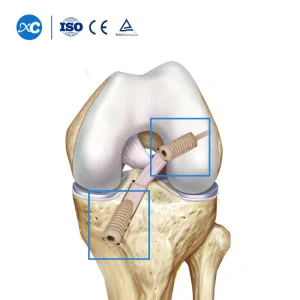
The global interference screw market has witnessed unprecedented growth over the last decade, primarily driven by the surge in sports-related injuries and the aging global population requiring orthopedic interventions. Interference screws, traditionally used for graft fixation in ACL (Anterior Cruciate Ligament) and PCL (Posterior Cruciate Ligament) reconstructions, have evolved from simple mechanical fasteners into highly bio-compatible medical implants.
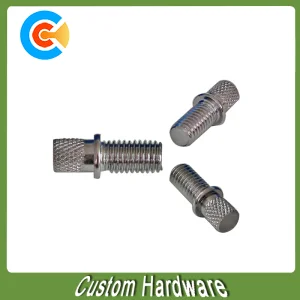
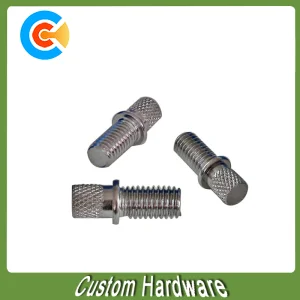
Beyond the medical theater, the concept of "interference" as a mechanical locking mechanism has found niche applications in high-precision industrial sectors. Specialized non-magnetic interference fasteners are now critical in environments like MRI rooms and laboratory calibration units where electromagnetic interference must be zeroed out. This dual-market demand—medical and precision industrial—has pushed factories to adopt aerospace-grade manufacturing standards.
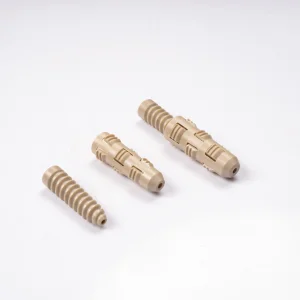
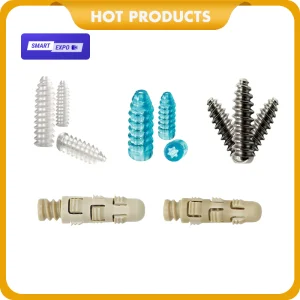
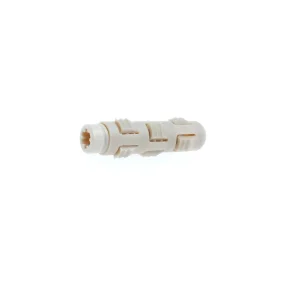
The industry is rapidly shifting away from traditional titanium towards high-performance polymers like PEEK (Polyetheretherketone) and bio-absorbable materials like PLLA (Poly-L-lactic acid). These materials offer several advantages:
Factories are now integrating AI-driven CNC machining to ensure that thread pitches and cannulated diameters are consistent within micron-level tolerances. This precision is vital for the "interference fit," where the screw must provide maximum pull-out strength without damaging the soft tissue graft.
For hospitals, medical device distributors, and industrial laboratories, procurement of interference screws involves more than just finding a low price. The stakes are high; a failure in an ACL screw can lead to revision surgery, while a magnetic screw in an MRI room can cause catastrophic equipment failure. Key procurement priorities include:
Certification Compliance
CE, FDA, and ISO 13485 are non-negotiable for medical implants.
Tolerance Precision
High-precision threads ensure optimal torque-to-fixation ratios.
Material Traceability
Verified raw material sourcing to ensure biocompatibility and strength.
China has emerged as the global hub for medical device manufacturing, combining high-tech infrastructure with unparalleled supply chain efficiency. Companies like Beijing Tandir Medical Device Co., Ltd. leverage these advantages to provide world-class interference screws:
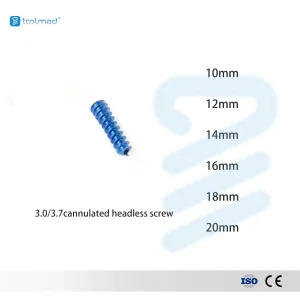
1. Advanced CNC Infrastructure: Utilizing Swiss-type lathes and 5-axis machining centers that allow for complex geometries in both cannulated and headless screw designs.
2. Cost-Effectiveness: By optimizing production lines and benefiting from a concentrated ecosystem of material suppliers, Chinese factories offer a 30-50% cost advantage over Western counterparts without sacrificing quality.
3. Customization (OEM/ODM): Unlike rigid global giants, our factories offer flexible R&D services, allowing surgeons and engineers to customize thread profiles or head designs for specific clinical scenarios.
Beijing Tandir Medical Device Co., Ltd. was established in 2022. It is a professional supplier of medical equipment, medical consumables and medical equipment, dedicated to providing high-quality solutions for the global market. Its geographical location offers convenient logistics, and it has established close cooperation with factories equipped with advanced production facilities, adhering to international quality standards and emphasizing innovation to meet the constantly changing needs of customers.
Skilled Professionals & Partner Factories: Our team combines industry expertise with technical precision, supported by partner factories featuring skilled front-line employees. From R&D to production and quality control, we collaborate closely to ensure products meet CE/FDA requirements. Customer-centric service and timely delivery are core values embedded in our operations.
Production Workers
Workshop (㎡)
Production Lines
Innovation Team
Interference screws are not "one size fits all." Different clinical and industrial environments require specific adaptations:
Used in ACL/PCL reconstruction to fix tendon grafts into femoral and tibial bone tunnels. PEEK screws are preferred here for their strength and post-op MRI clarity.
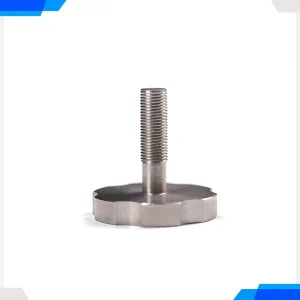
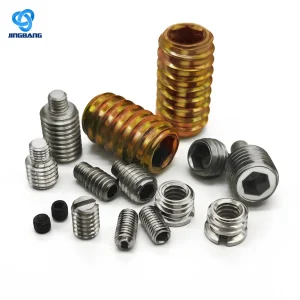
Non-magnetic 316L stainless steel or titanium standoffs are essential for MRI equipment installation to prevent image artifacts and safety hazards.
In laboratory precision instrument calibration, screws must eliminate all magnetic interference to ensure the accuracy of delicate measurements.
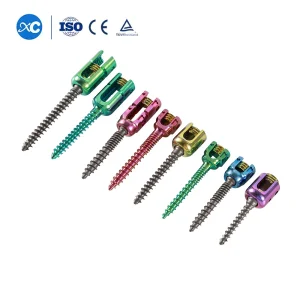
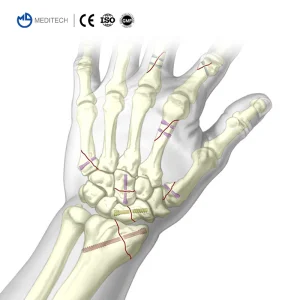
Pedicle screws and compression screws are utilized in spinal fusion and trauma cases where stability is paramount for bone regrowth.
As a premier supplier in the medical and industrial fastener market, our commitment to innovation ensures that our Interference Screws, PEEK implants, and non-magnetic components meet the most rigorous global standards. Whether you are performing complex ACL reconstruction or calibrating precision instruments, Tandir Medical provides the reliability you deserve.