Tandir Orthopedic Implants
Tandir Orthopedic Implants
Tandir Orthopedic Implants
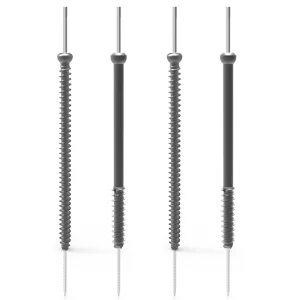
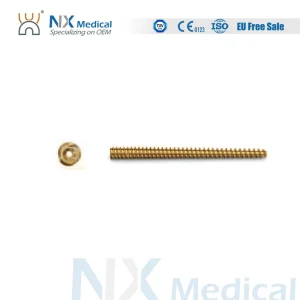
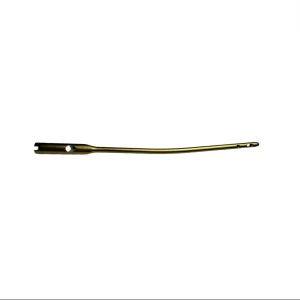
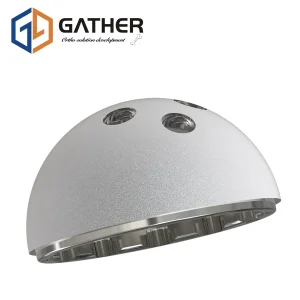
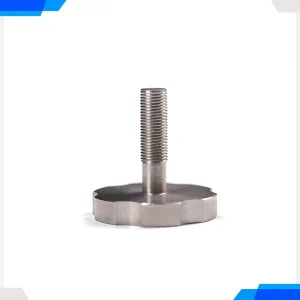
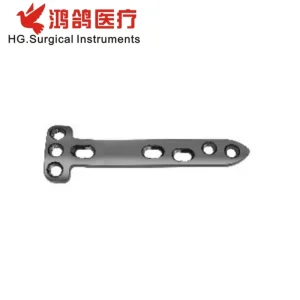
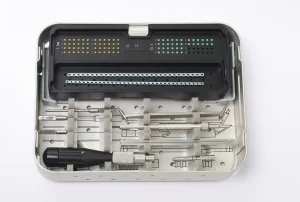
The global orthopedic implant sector is experiencing a paradigm shift driven by demographic shifts, dynamic clinical expectations, and advanced metallurgy. Modern orthopedic device engineering has evolved from basic mechanical internal fixation to highly complex, bioactive, and structurally optimized systems. These devices are designed to seamlessly integrate with human biological structures, facilitating bone growth while ensuring high load-bearing performance under dynamic stress profiles.
From a manufacturing standpoint, this evolution requires exceptional raw material control, nano-scale tolerance machining, and advanced surface modification processes. Global B2B buyers—ranging from multinational medical device brands to regional distributors and purchasing entities for hospitals—now look beyond basic unit cost. They seek partners capable of delivering validated biological compatibility, precise mechanical alignment, and total regulatory compliance under systems such as the EU MDR and FDA 510(k).
For decades, orthopedic internal fixation relied heavily on high-grade surgical stainless steel (such as 316L). While still utilized in temporary trauma fixtures and cost-sensitive applications, modern osteosynthesis is dominated by advanced titanium formulations and engineering polymers:
Comprehensive lot traceability from raw ingot through CNC machining, chemical passivation, cleanroom packaging, and sterilization validation (ISO 13485 compliance).
Advanced surface finishing, including micro-roughening, anodization, and specialized HA (Hydroxyapatite) or titanium plasma spray coatings to accelerate bone growth.
Strict mechanical fatigue limit verification, finite element analysis (FEA) testing, and torsional compliance testing for intramedullary nails and spinal screws.
Beijing Tandir Medical Device Co., Ltd. was established in 2022. It is a professional supplier of medical equipment, medical consumables, and medical equipment, dedicated to providing high-quality solutions for the global market. Its geographical location offers convenient logistics, and it has established close cooperation with factories equipped with advanced production facilities, adhering to international quality standards and emphasizing innovation to meet the constantly changing needs of customers.
Our team combines industry expertise with technical precision, supported by partner factories featuring skilled front-line employees. From R&D to production and quality control, we collaborate closely to ensure products meet CE/FDA requirements. Customer-centric service and timely delivery are core values embedded in our operations.

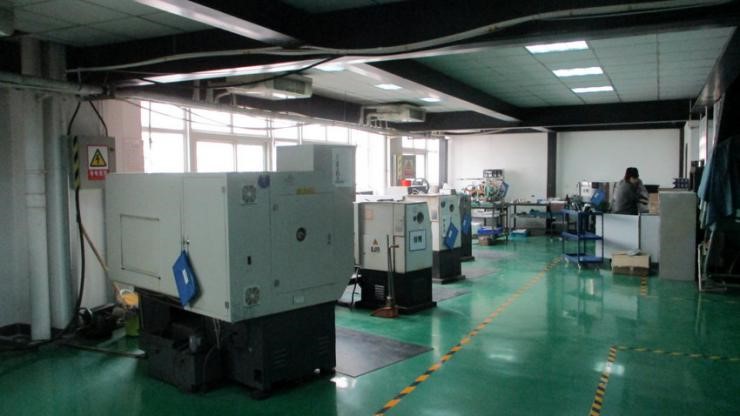
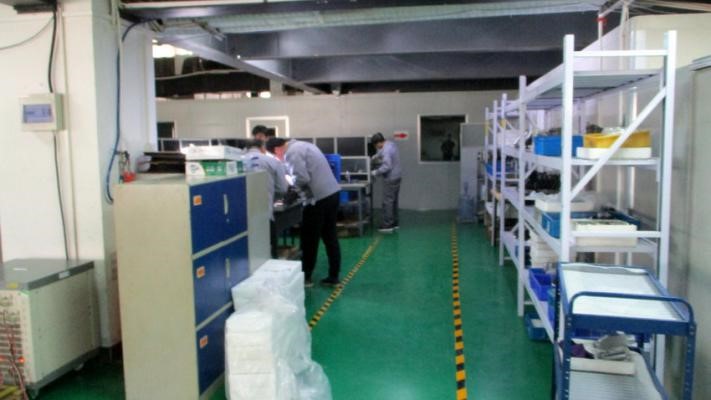
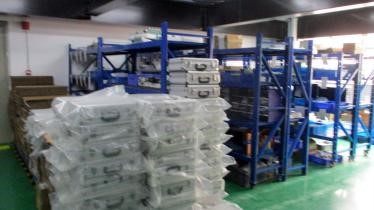
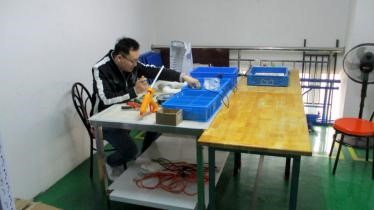
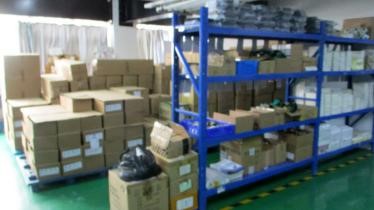
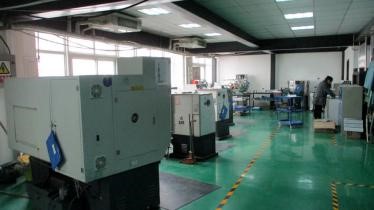
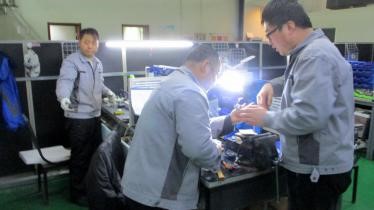
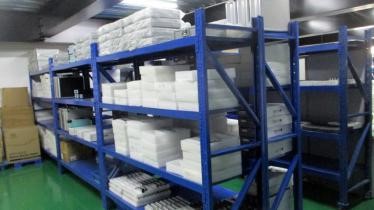
In response to global macroeconomic fluctuations and regulatory updates, international medical distributors are prioritizing supply chain resilience. Traditional manufacturing hubs are shifting toward "smart factories" that combine cost-effective production with high-precision output. Chinese orthopedic factories have adopted Industry 4.0 standards, utilizing advanced robotics, automated quality inspection, and centralized raw material management.
This modernization relies on high-speed, multi-axis CNC machines (often Swiss-type lathe systems) capable of processing titanium and cobalt-chrome with sub-micron precision. This automation reduces production variance, ensuring every Proximal Femur Intramedullary Interlocking Nail or Distal Tibial Lateral Locking Plate meets exact dimensional specifications. These automated systems also record machining parameters in real time, simplifying compliance with traceability audits.
Procuring medical devices globally requires managing regulatory compliance, quality consistency, and shipping logistics. Leading exporters address these challenges through key operational practices:
Located in major economic centers like Beijing, leading exporters benefit from streamlined logistics. Proximity to international airports and major container ports ensures reliable customs clearance and rapid shipping, reducing lead times for overseas distributors.
Orthopedic implants are engineered for specific anatomical demands, bone structures, and surgical approaches. Modern product lines fall into five primary clinical categories:
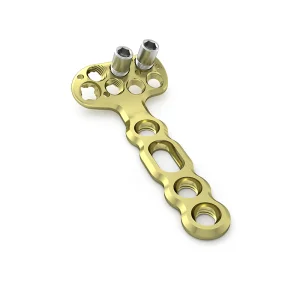
Trauma implants are designed to stabilize fractures, allowing early mobilization. Systems like the Orthopedic Distal Tibial Lateral Locking Plates use locking screw configurations to stabilize fractures in osteoporotic bone or complex joint areas. Headless compression screws provide targeted compression for smaller bone fractures without irritating surrounding soft tissue.
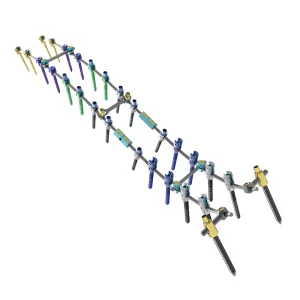
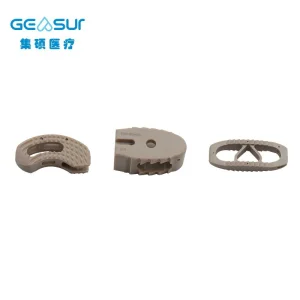
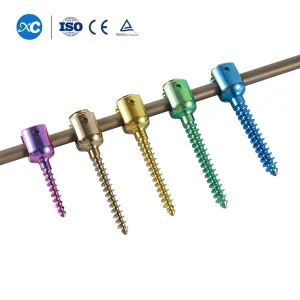
Spinal surgeries require stable fixation to facilitate fusion and correct deformity. Polyaxial pedicle screws allow multi-directional angling, helping surgeons align rods in complex spinal anatomy. Interbody cages made of PEEK, featuring titanium coatings, provide structural support and promote fusion between vertebrae.
Arthroscopic repairs require reliable soft-tissue-to-bone fixation. Cannulated interference screws stabilize tendon grafts in bone tunnels during ACL and PCL reconstructions. The thread designs are optimized to hold the graft securely without damaging the tissue.
Joint replacements must withstand millions of articulation cycles. Modern knee systems feature ultra-high-molecular-weight polyethylene (UHMWPE) bearings combined with polished cobalt-chromium femoral components. This design mimics natural joint motion while minimizing wear debris.
Veterinary surgeons require specialized, smaller implant designs for varying animal sizes. Specialized veterinary locking plate systems (like the ALPS reconstruction kits) are pre-shaped to match animal anatomy, improving recovery times in veterinary clinical environments.
At minimum, exporters must hold ISO 13485 certification for medical device quality management. For global markets, products should carry CE marking (under EU MDR 2017/745) for European distribution, and FDA 510(k) clearance for the United States market.
Ti6Al4V ELI (Extra Low Interstitials) contains lower levels of oxygen, nitrogen, and iron. This chemical profile improves ductility and fracture toughness, making it more resistant to cyclic fatigue under the mechanical loads experienced by implants.
Implants are typically cleaned, passivated, and double-sterile packed in Class 10,000 cleanrooms. They undergo Ethylene Oxide (EtO) or Gamma irradiation sterilization. Traceable indicator labels confirm sterility has been maintained up to the point of clinical use.
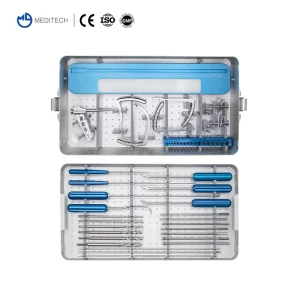
Yes. Specialized factories offer OEM and ODM services. Using CAD/CAM data and CNC systems, manufacturers can customize plate geometries, screw profiles, and instrument configurations to meet specific clinical requirements or regional preferences.
Lead times vary depending on stock status and custom requirements. Stock items can ship via air express within 5–7 days. Large-volume or custom-manufactured orders typically require 30–45 days for production, quality control, and export clearance.