Tandir Orthopedic Implants
Tandir Orthopedic Implants
Tandir Orthopedic Implants
The global spinal surgery market has witnessed a paradigm shift toward precision stabilization. Spinal hooks and rods are no longer just mechanical anchors; they are sophisticated biomechanical instruments designed to restore spinal alignment and facilitate fusion. In the current commercial landscape, the demand for these components is surging across North America, Europe, and the Asia-Pacific region due to the aging population and the increasing incidence of spinal deformities such as scoliosis and kyphosis.
Technological integration has transformed the industry. Modern surgeons demand implants that offer both strength and flexibility. As a leading China Spinal Hooks and Rods Factory, we observe that the international market is pivoting toward multi-axial stabilization systems that allow for intra-operative adjustments with micron-level precision.

The spinal implant industry is currently defined by three major trends: Material Science Innovation, Minimally Invasive Surgery (MIS) Compatibility, and Digital Integration. The transition from stainless steel to high-grade Titanium alloys and PEEK materials has significantly improved patient outcomes by reducing MRI interference and enhancing biocompatibility.
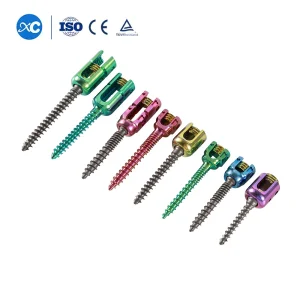
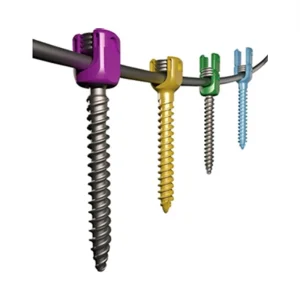
Our factory utilizes Grade 5 Titanium (Ti6Al4V), providing the optimal strength-to-weight ratio required for long-segment posterior spinal fixation. This material ensures that the rods can withstand the immense stress of the human torso while remaining lightweight enough to prevent muscle fatigue.
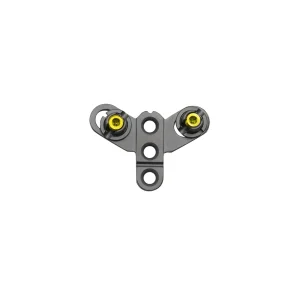
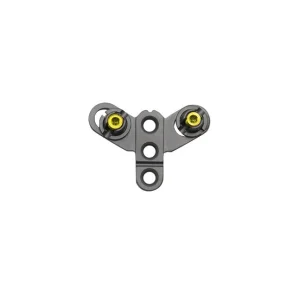
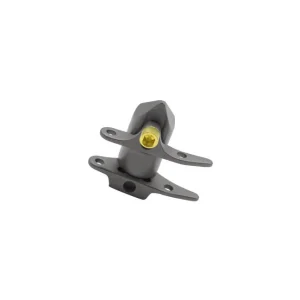
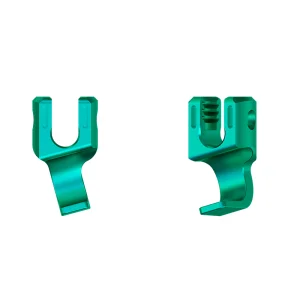
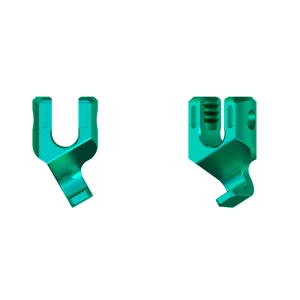
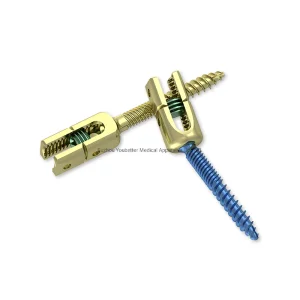
The evolution of hook designs—including laminar, pedicle, and transverse process hooks—allows for a more customized approach to spinal correction. This versatility is essential for pediatric scoliosis cases where growth modulation is critical.
Hospitals and medical distributors worldwide are facing a dual challenge: maintaining high clinical standards while managing rising healthcare costs. Procurement officers in regions like the Middle East, Latin America, and Southeast Asia are increasingly looking toward China Exporters for spinal solutions that offer "Tier-1 Quality at Value-Driven Prices."
Established in 2022, Beijing Tandir Medical Device Co., Ltd. has rapidly emerged as a professional powerhouse in the global medical equipment landscape. We are not just a supplier; we are a dedicated solutions provider for orthopedic surgery worldwide. Our strategic location offers unparalleled logistical advantages, connecting our advanced manufacturing base to every corner of the globe.
Our team combines industry expertise with technical precision, supported by partner factories featuring skilled front-line employees. From R&D to production and quality control, we collaborate closely to ensure products meet the highest standards. Customer-centric service and timely delivery are core values embedded in our operations.
The application of spinal hooks and rods varies significantly based on the surgical environment. In advanced trauma centers, our Spinal Fixation Systems are used for emergency vertebral stabilization following high-impact accidents. Conversely, in specialized pediatric hospitals, the focus is on deformity correction using our ultra-smooth contoured rods that respect the growth potential of young patients.
Providing long-term stability for aging spines where bone quality may be compromised.
High-strength rods for immediate internal fixation of fractured vertebrae.
Complex hook-and-rod constructs for multi-dimensional spinal realignment.
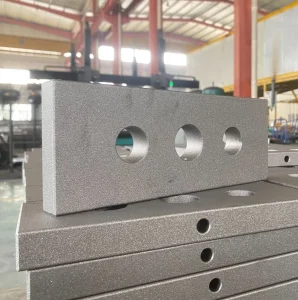
As a premier exporter of spinal hooks and rods, we leverage China's comprehensive industrial supply chain. This allows us to source the purest medical-grade titanium and employ the latest CNC 5-axis machining technologies at a fraction of the cost found in other regions. Our quality control protocol involves 100% inspection of thread tolerances, surface roughness, and fatigue resistance testing.
By choosing Beijing Tandir, you are partnering with an entity that prioritizes Scientific Innovation. Our 21+ member innovation team is constantly iterating on product designs, ensuring that our spinal systems are not only compatible with current surgical techniques but are also prepared for the future of robotic-assisted spine surgery.