Tandir Orthopedic Implants Tandir Orthopedic Implants

7 Best Ways to Help Bones Heal Faster After Implant Surgery?

Time:2026-09-18 Author:Ethan
0%

Bone healing after implant surgery is gradual, biological, and different for every patient. The body must stabilize the implant, rebuild bone, and control inflammation around the surgical site. Healing may take weeks or months, depending on bone quality, implant location, overall health, and the procedure performed.

So, what helps bones heal faster after implant surgery? The strongest approach combines careful surgical aftercare, adequate protein, essential nutrients, healthy circulation, and protection from pressure or injury. Your surgeon’s instructions matter most. Keeping the wound clean, attending follow-up visits, and taking prescribed medicines correctly can prevent small problems from becoming serious setbacks. Smoking and nicotine deserve special attention because they can restrict blood flow and interfere with bone formation.

There is no reliable shortcut.

This guide explores seven practical, evidence-informed ways to support recovery. These include eating enough protein, maintaining vitamin and mineral balance, controlling blood sugar, sleeping well, and gradually returning to movement when approved. Avoiding tobacco and following weight-bearing limits are equally important. Rest alone is not always better; too much inactivity may reduce strength and confidence. That detail is easy to overlook.

Some advice online sounds convincing but lacks clinical support. Supplements, intense exercise, or changing medication without professional guidance may create risks instead of faster healing. Recovery is also rarely perfectly predictable. Even with excellent care, discomfort or slower progress can occur. Use these recommendations as general education, then confirm them with your orthopedic or dental surgeon, especially if you notice increasing pain, swelling, fever, drainage, or implant looseness.
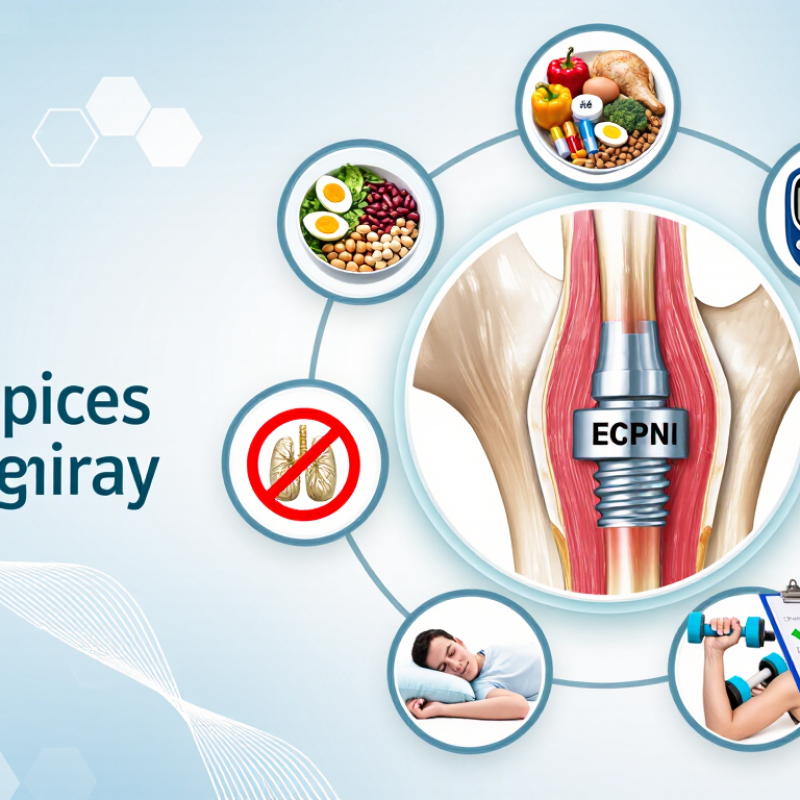
7 Best Ways to Help Bones Heal Faster After Implant Surgery?

Understanding the Bone-Healing Process After Implant Surgery

After implant surgery, bone healing begins with a blood clot and a controlled inflammatory response. This early stage supports new tissue formation around the implant. During the following weeks, immature bone gradually develops and begins to connect with the implant surface. Remodeling can continue for several months. The implant may feel stable while deeper bone remains immature.

Protecting this process requires patience. Follow the surgeon’s cleaning instructions, and avoid disturbing the surgical area with fingers or hard foods. Do not smoke or use nicotine, because reduced blood flow can interfere with healing. Choose soft, protein-rich foods, and maintain adequate vitamin and mineral intake through a balanced diet. Gentle activity is often helpful, but heavy exercise may need temporary limits. Keep every follow-up appointment.

Small details matter. A loose temporary part, worsening swelling, pus, fever, or increasing pain deserves prompt professional review. Pain should usually improve, not intensify, after the first days. Healing does not follow a perfect calendar; health, bone quality, medications, and oral hygiene can change the timeline. Rest helps, but complete inactivity is not always necessary. One overlooked issue is chewing too soon on the treated side. Even when discomfort fades, the bone may still be adapting. A qualified dental professional should confirm healing before normal biting forces return.

7 Best Ways to Help Bones Heal Faster After Implant Surgery

Understanding the bone-healing process helps explain why protecting the surgical site, supporting nutrition, and following clinical instructions are essential for successful osseointegration.

Seven evidence-informed ways to support healing:

  • Follow your surgeon’s instructions about implant loading and activity.
  • Avoid smoking and nicotine, which can impair blood flow and wound healing.
  • Maintain gentle, effective oral hygiene as directed.
  • Consume adequate protein and a balanced diet.
  • Maintain sufficient calcium and vitamin D through diet or clinician-approved supplements.
  • Keep diabetes and other medical conditions well controlled.
  • Attend follow-up appointments so healing and implant stability can be assessed.

The chart shows typical biological time ranges, not guaranteed deadlines. Healing varies with implant location, bone quality, surgical complexity, general health, medications, and smoking status. Only the treating dental professional can determine when an implant is ready for loading.

Supporting Bone Repair Through a Nutrient-Rich Diet

After implant surgery, bone healing depends on biology, surgical stability, and daily nutrition. A nutrient-rich diet cannot guarantee faster integration. It can provide materials for collagen formation, mineral storage, and tissue repair. In clinical practice, patients often focus on pain relief and forget regular meals. That gap can matter.

Include protein at each meal: eggs, fish, poultry, yogurt, tofu, or beans. Protein supports the collagen framework that developing bone needs. Add calcium-rich foods, such as dairy, fortified alternatives, leafy greens, and canned fish with soft bones.

Vitamin D helps the body use calcium, while vitamin C supports collagen production. Citrus, berries, peppers, and broccoli are practical choices. Zinc from seafood, meat, legumes, or seeds also contributes to repair. Drink water regularly, especially when medications reduce appetite.

Do not begin high-dose supplements without guidance from your surgeon or dietitian. Too much calcium or certain vitamins may cause problems or interact with medicines. This is easy to overlook. If chewing is difficult, choose soft meals, such as lentil soup, scrambled eggs, yogurt, and blended fruit. Avoid smoking and limit alcohol, because both can interfere with healing. Follow your implant team’s instructions and report persistent swelling, fever, drainage, or worsening pain promptly. Consistency beats a perfect menu, although recovery plans sometimes need adjustment.

Protecting the Implant and Following Postoperative Instructions

After implant surgery, protecting the surgical site is as important as supporting bone healing. The implant needs stability while new bone gradually forms around it. Follow your surgeon’s written instructions, even when the area feels comfortable. Do not test the implant with your tongue, fingers, or chewing pressure. Small movements can interfere with early healing. Keep the area clean as directed, but avoid vigorous brushing or rinsing near the incision during the first days. A soft toothbrush and prescribed rinse may be recommended.

Choose soft, nourishing foods such as yogurt, eggs, soup, and mashed vegetables. Chew on the opposite side, and avoid hard, sticky, or sharply textured foods. Smoking and nicotine can reduce blood flow and raise the risk of delayed healing. Alcohol may also conflict with medicines or irritate tissues, so ask your clinician when it is safe. Rest matters, but complete inactivity is unnecessary. Gentle walking can support routine, unless your surgeon limits activity.

Take medications exactly as prescribed. Never change doses based on internet advice. Attend review appointments so healing and implant stability can be checked professionally. Contact the dental team for worsening pain, swelling, fever, pus, persistent bleeding, or a loose implant. Healing is not perfectly predictable. A patient may feel well and still need more time. If instructions seem unclear, ask before improvising.

Maintaining Oral Hygiene and Avoiding Healing Disruptions

After implant surgery, clean surroundings support steady healing. Brush the remaining teeth gently with a soft-bristled toothbrush. Avoid scrubbing directly over the surgical site unless your dental surgeon permits it. A small, careful motion is usually safer than vigorous brushing.

Follow the prescribed rinsing instructions closely. Do not forcefully swish, spit, or probe the area with fingers or cotton swabs. These actions may disturb the early clot or irritate healing tissue. If a salt-water rinse is recommended, keep it gentle and lukewarm. Never replace prescribed care without professional advice.

Keep food away from the implant site when possible. Choose soft meals, and chew on the opposite side during the first healing period. Tiny food particles can collect near the incision, especially after meals. Rinse gently only as directed. Avoid smoking, alcohol, and unapproved supplements, because they may interfere with recovery or prescribed medicines.

Rest matters too. Excessive exercise, repeated bending, or poor sleep can increase discomfort for some patients. I have seen people clean too aggressively because they feared infection. That instinct is understandable, but more pressure does not mean better hygiene. Contact your dental surgeon if swelling worsens after several days, bleeding continues, or the implant feels loose. Healing is not identical for everyone. Your surgeon’s instructions should guide each decision.

7 Best Ways to Help Bones Heal Faster After Implant Surgery? - Maintaining Oral Hygiene and Avoiding Healing Disruptions
No. Evidence-Informed Approach Recommended Actions Suggested Timing How It Supports Healing and What to Avoid
1 Follow the personalized surgical instructions Take prescribed medicines exactly as directed, attend scheduled reviews, and contact the dental team before changing or stopping treatment. From surgery onward Individual instructions account for implant location, bone grafting, medical history, and surgical complexity. Avoid self-adjusting medication or missing follow-up visits.
2 Maintain gentle oral hygiene Keep the rest of the mouth clean with a soft toothbrush. Clean around the surgical area only as instructed, and use any prescribed rinse according to the dental team’s directions. Usually beginning the day after surgery, unless instructed otherwise Reducing plaque helps limit inflammation and infection. Do not brush directly over an unhealed wound, disturb sutures, or use forceful rinsing during the early healing period.
3 Avoid smoking and nicotine exposure Stop smoking and avoid vaping, chewing tobacco, and other nicotine products during healing. Ask a healthcare professional for a cessation plan if needed. Ideally before surgery and throughout healing Smoking and nicotine can reduce blood flow, impair immune function, and increase the risk of delayed healing and implant complications. Avoid inhaling or applying tobacco products near the surgical site.
4 Protect the implant from pressure and trauma Eat soft foods as recommended, chew on the opposite side when possible, and avoid hard, sticky, or sharp foods that could contact the site. During the early healing phase and until cleared Excessive movement or loading can interfere with the stable connection between the implant and surrounding bone. Do not use the implant area to bite hard foods before professional approval.
5 Support nutrition and hydration Consume adequate calories, protein, fluids, and a varied diet containing fruits, vegetables, whole grains, and mineral-rich foods. Use softer textures when chewing is uncomfortable. Throughout recovery Adequate nutrition supports tissue repair and immune function. Avoid crash diets and excessive alcohol, which may interfere with recovery, medication safety, or normal judgment.
6 Limit activities that can disrupt the wound Rest initially, avoid strenuous exercise as instructed, and keep the head elevated when resting if swelling is present. Do not repeatedly touch, pull, or inspect the site. Especially during the first several days Limiting pressure and irritation can help control bleeding and swelling. Avoid vigorous spitting, aggressive rinsing, drinking through a straw, or activities that create strong suction unless the clinician permits them.
7 Manage health conditions and report warning signs promptly Keep conditions such as diabetes well controlled, provide a complete medication and medical history, and contact the dental team if symptoms worsen rather than improve. Before surgery and throughout healing Uncontrolled systemic conditions may affect wound healing and infection risk. Seek professional advice for persistent or increasing pain, swelling, fever, pus, uncontrolled bleeding, numbness, a loose implant, or difficulty swallowing or breathing.
Healing time varies according to the implant site, bone quality, grafting procedures, general health, oral hygiene, and smoking status. The treating dental professional’s instructions should take priority over general guidance.

Using Gradual Activity and Monitoring Recovery Progress

Bone healing after implant surgery is a managed process, not a race. Your surgeon’s instructions should guide every movement. Begin with short, easy walks when cleared, even if progress feels slow. Use prescribed support, such as crutches, exactly as directed. Keep the incision clean and watch for increasing redness, warmth, drainage, or fever. These signs deserve prompt medical advice. Pain can provide useful information, but it is not a perfect progress report.

Increase activity in small steps, often one change at a time. Add a few minutes, a short distance, or one gentle exercise. Do not increase everything together. Stop and contact your care team if swelling, pain, or limping worsens and does not settle with rest. A daily record can track pain, walking time, swelling, sleep, and medication use. A simple notebook helps reveal patterns that memory misses. Some days may move backward. That can feel discouraging.

Attend scheduled imaging and clinical reviews, even when the area feels better. X-rays or other tests help clinicians assess alignment, implant position, and bone integration. Physical therapy may improve strength and movement, but exercises should match your healing stage. Avoid lifting, impact, or twisting until cleared. Adequate protein, calcium-rich foods, rest, and avoiding nicotine support repair. Healing timelines vary widely, so a setback may mean slowing down and communicating earlier.

FAQS

Can a nutrient-rich diet guarantee faster implant healing?

No. Healing also depends on biology and surgical stability. Nutrition provides materials for collagen, minerals, and tissue repair. A perfect menu is unrealistic.

What protein foods support recovery after implant surgery?

Include protein at every meal. Choose eggs, fish, poultry, yogurt, tofu, lentils, or beans. Protein helps build the collagen framework for developing bone.

Which nutrients are important for bone repair?

Calcium supports mineral storage. Vitamin D helps the body use calcium. Vitamin C supports collagen production. Zinc also contributes to tissue repair.

What foods provide calcium and vitamin C?

Try dairy products, fortified alternatives, leafy greens, and canned fish with soft bones. Citrus, berries, peppers, and broccoli provide vitamin C. Small choices count.

What should I eat if chewing is difficult?

Choose soft meals, including lentil soup, scrambled eggs, yogurt, and blended fruit. Chew away from the surgical area. Keep meals regular, even when appetite is low.

Should I take high-dose vitamins after implant surgery?

Not without guidance from your surgeon or dietitian. Excess calcium or certain vitamins may cause problems or interact with medicines. More is not always better.

How should I clean my mouth during early healing?

Brush remaining teeth gently with a soft-bristled toothbrush. Avoid the surgical site unless permitted. Do not probe it with fingers or cotton swabs.

Can vigorous rinsing disturb the healing area?

Yes. Avoid forceful swishing and spitting. Use a gentle, lukewarm salt-water rinse only when recommended. I might overclean from fear, but pressure can irritate tissue.

Which habits can disrupt recovery?

Avoid smoking and limit alcohol. Rest adequately, and avoid excessive exercise or repeated bending. Poor sleep may increase discomfort for some patients.

When should I contact my dental surgeon?

Report worsening swelling, continued bleeding, fever, drainage, or increasing pain. Contact the surgeon if the implant feels loose. Persistent symptoms should not be ignored.

Conclusion

What helps bones heal faster after implant surgery is a combination of biological support, careful protection, and consistent aftercare. Bone healing takes time as the tissues stabilize around the implant, so providing adequate protein, calcium, vitamin D, vitamin C, and other nutrients may support normal repair. Staying well hydrated, avoiding tobacco and excessive alcohol, and following prescribed medication instructions can also reduce factors that interfere with recovery.

Protecting the surgical area is equally important. Patients should maintain gentle oral hygiene as directed, avoid disturbing the wound, and attend follow-up appointments so healing can be monitored. Strenuous exercise, hard or sticky foods, and unnecessary pressure on the implant should be avoided during the early stage. Gradual activity can be resumed as comfort improves, but persistent pain, swelling, bleeding, fever, or implant movement should be reported promptly. Every recovery is different, so the treating dental professional’s instructions should remain the primary guide.

Ethan

Ethan

Ethan is a seasoned marketing professional with a deep expertise in our company's innovative product line. With a passion for sharing knowledge and insights, he takes the lead in regularly updating our corporate blog, where he explores industry trends, product features, and effective marketing......