Tandir Orthopedic Implants
Orthopedic implants play a crucial role in modern medicine. These devices help restore mobility and relieve pain for countless patients. But what materials are used in orthopedic implants? Understanding these materials can shed light on their functionality and longevity.
Orthopedic implants utilize various materials, each with its own advantages and challenges. Commonly used materials include titanium, stainless steel, and polyethylene. Titanium is favored for its lightweight and corrosion-resistant properties. Stainless steel offers strength but may cause allergic reactions in some patients. Polyethylene withstands wear but could degrade over time.
While these materials aim for optimal performance, they are not without issues. For instance, the choice of material greatly influences the outcome of surgeries. Surgeons must carefully weigh the benefits and drawbacks. Ongoing research continues to explore innovative materials, aiming to improve implant life and patient satisfaction. This effort brings hope but also highlights the complexity of implant design. As we delve deeper into this topic, the question of material selection remains vital.
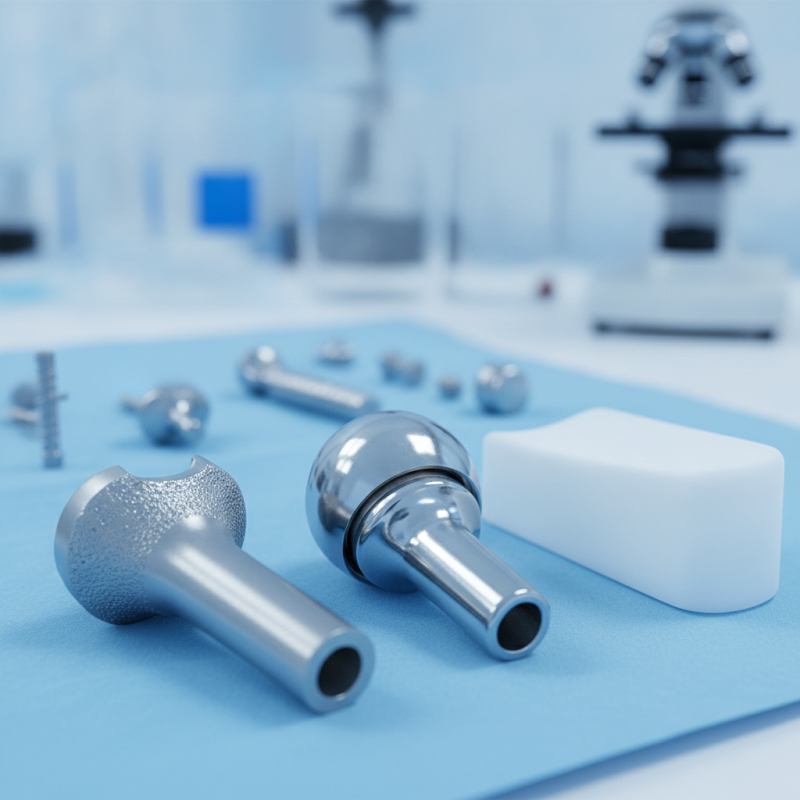
When it comes to orthopedic implants, material choice is pivotal. Surgeons rely on durable and biocompatible options to ensure patient safety and effective healing. Some common materials are titanium, stainless steel, and ceramics.
Titanium stands out due to its high strength and lightweight nature. It integrates well with bone, promoting natural healing. Stainless steel is often used for joint replacements. Its corrosion resistance provides a long-lasting solution. Ceramics, though more brittle, offer excellent wear resistance and are used in hip implants.
However, each material has its limitations. For example, titanium can be expensive, while ceramics may not be suitable for all patients. These factors prompt ongoing research into new materials. Biodegradable options are emerging, aiming for better integration and minimal long-term impact on the body. The future of orthopedic implants lies in innovation and understanding.
Biocompatibility is crucial in orthopedic implants. It's the ability of a material to perform with an appropriate response from the body. When implants fail, it’s often due to poor biocompatibility. This can cause inflammation, rejection, or other complications post-surgery. Materials must not only integrate with the bone but also avoid toxicity.
Common materials include titanium, polyethylene, and ceramics. Titanium has excellent strength and flexibility. Polyethylene is often used for joint surfaces. Ceramics offer great wear resistance. Each material has its pros and cons, and none is perfect. Some may wear down over time. Others could cause allergic reactions.
Surgeons often face challenges in selecting materials. They evaluate patient needs and potential reactions. Monitoring long-term results is essential. Understanding biocompatibility can lead to better outcomes. Each choice in materials holds significant weight in patient recovery.
Titanium alloys are widely recognized as the gold standard in orthopedic implants. They offer a remarkable combination of strength, lightweight properties, and corrosion resistance. Surgeons and engineers often favor these materials for hip, knee, and spinal surgeries. These alloys can withstand the heavy loads during daily activities, ensuring durability and longevity.
One key advantage of titanium alloys is their biocompatibility. This means they integrate well with bone tissue, promoting healing. However, challenges remain. The manufacturing of titanium implants can be complex, and achieving the right surface finish is critical. If the surface is not polished correctly, it may affect osseointegration. This can lead to complications during recovery.
Another factor to consider is the cost. Although titanium alloys provide excellent benefits, they are more expensive than some alternative materials. This can impact accessibility for patients in various healthcare systems. It's essential to weigh the benefits against the economic implications. Careful consideration by medical professionals is necessary to ensure the best outcomes for patients.
Polyethylene stands out as a leading choice in joint replacements. This versatile polymer has been utilized for many years in orthopedic implants. Its unique properties contribute to its popularity. Polyethylene is flexible, durable, and resistant to wear. These characteristics make it ideal for articulating surfaces in hips and knees.
One key aspect of polyethylene is its ability to absorb shock. In joint replacements, this absorption helps minimize stress on bone structures. However, concerns about wear particles from polyethylene have emerged. Over time, these particles may lead to osteolysis, a condition that can compromise implant stability. The medical community continues to study this phenomenon, seeking solutions to reduce wear and enhance implant lifespan.
Surprisingly, not all polyethylene is created equal. Different manufacturing processes yield varied qualities. The choice of cross-linking, for instance, can influence the final product's strength and durability. Even with advancements, the journey to perfecting this material is ongoing. Continued research aims to mitigate wear issues while maximizing the benefits of polyethylene in orthopedic applications.
Cobalt-chromium alloys are vital in the field of orthopedic implants. Their unique properties make them ideal for load-bearing applications. These alloys provide outstanding strength and hardness, crucial for prosthetic joints. Such traits ensure that implants can withstand daily stress without deforming.
The hardness of cobalt-chromium alloys also contributes to their wear resistance. This is particularly important as joints experience significant friction over time. Implants made from these materials tend to have a longer lifespan than those using less durable alternatives. However, the brittleness can sometimes present challenges. This characteristic requires careful design to prevent fractures during intense physical activity.
In terms of biocompatibility, cobalt-chromium alloys are generally well-accepted in the body. Yet, individual reactions can vary. Some patients may experience sensitivity to metal implants. Continued research aims to address these concerns. Ensuring patient safety remains a priority in the development of orthopedic solutions.
Ceramics play a vital role in orthopedic implants due to their unique properties. These materials are known for their excellent wear resistance, making them suitable for long-term use. Unlike metals, ceramics can withstand significant stress while minimizing friction. This reduces wear on both the implant and the surrounding bone.
In addition to wear resistance, ceramics offer remarkable durability. This ensures that implants remain stable over time, even under intense physical activity. Many orthopedic procedures focus on restoring mobility, and using durable materials like ceramics supports this goal. However, there are challenges. Ceramics are brittle and can be prone to cracking under extreme loads. This requires careful consideration in design and application. Ensuring optimal performance while managing risks is crucial in orthopedic surgeries.
The integration of ceramics in orthopedic applications highlights the need for innovation and ongoing research. As new techniques and formulations develop, the effectiveness of these materials may improve. A critical approach to evaluating their use can foster better solutions. Understanding imperfections in current ceramic technologies may lead to enhancements in future designs.
: Titanium alloys offer strength, light weight, and corrosion resistance. They are suitable for hip, knee, and spinal surgeries.
Titanium alloys integrate well with bone tissue. This promotes healing but requires precise surface finishing for optimal results.
Manufacturing titanium implants can be complex, especially achieving the right surface finish. This can complicate the recovery process.
Cobalt-chromium alloys provide outstanding strength and hardness for load-bearing applications, ideal for prosthetic joints.
Their brittleness can lead to fractures. Careful design is necessary to prevent issues during intense physical activities.
Ceramics offer excellent wear resistance and durability, suitable for long-term use in high-stress environments.
Ceramics are brittle and may crack under excessive loads, which necessitates careful design and application.
Continuous research and innovation are required to enhance the effectiveness of ceramics. Identifying current imperfections can lead to improvements.
While titanium offers benefits, its higher cost can limit accessibility. Medical professionals must consider economic implications carefully.
Reactions to materials can vary by individual. Ensuring patient safety remains essential in developing orthopedic solutions.
Orthopedic implants are critical in restoring function and mobility for patients undergoing joint replacement and other orthopedic procedures. Understanding what materials are used in orthopedic implants is essential for ensuring effective and safe treatment outcomes. The most common materials utilized include titanium alloys, which are known for their strength, biocompatibility, and corrosion resistance, making them the gold standard in this field.
Additionally, polyethylene is the most widely used polymer, particularly in joint replacements, due to its excellent wear resistance. Cobalt-chromium alloys provide superior strength and hardness, ideal for load-bearing applications, while ceramic materials offer enhanced durability and wear resistance. Biocompatibility remains a crucial consideration in selecting these materials, ensuring that implants integrate well with the body and minimize adverse reactions. Understanding these materials helps both patients and healthcare providers make informed decisions in orthopedic care.
