Tandir Orthopedic Implants
Identifying the signs of implant rejection is essential for anyone considering or having undergone an implant procedure. Understanding what are the signs of implant rejection can significantly impact the success of treatment and recovery. Although implants can improve quality of life, complications may arise.
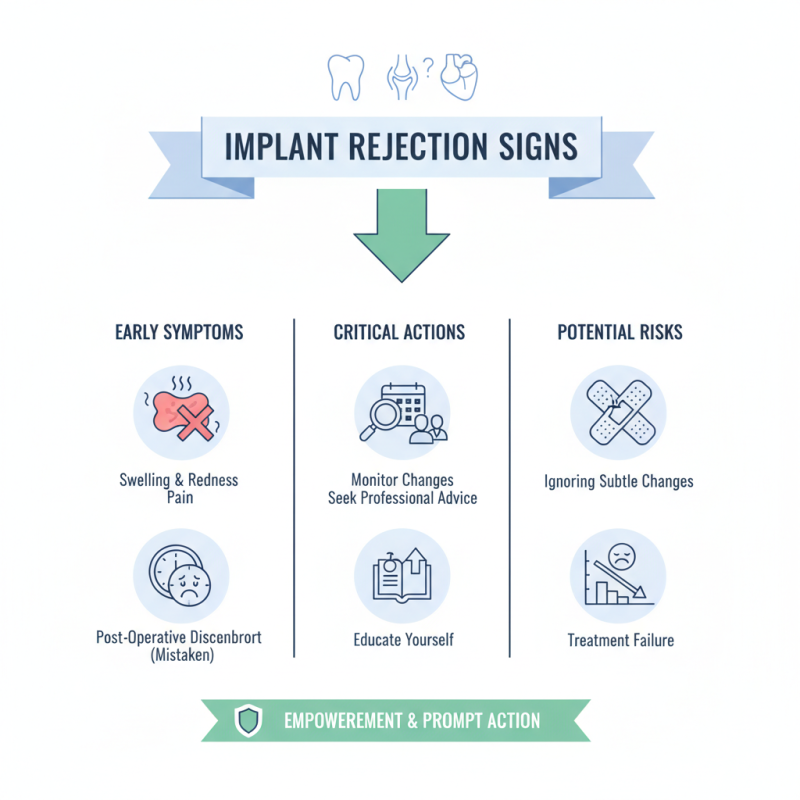
Patients should be aware that signs of rejection are not always obvious. Common symptoms include swelling, redness, and persistent pain. These can easily be mistaken for typical post-operative discomfort. Early detection is crucial. Monitoring for changes is necessary, even if initial healing appears normal.
Seeking professional advice can enhance awareness. Healthcare providers can guide patients on what to look for. Education about potential rejection signs empowers individuals. It encourages prompt action and helps in making informed decisions regarding their health. Ignoring subtle changes can lead to serious complications.
Implant rejection occurs when the body's immune system identifies the implant as a foreign object. This response can lead to various complications. According to a report from the American Academy of Implant Dentistry, about 5-10% of dental implants fail due to rejection. Understanding the symptoms is crucial for timely intervention.
Common signs of implant rejection include persistent pain around the implant site, swelling, and unusual redness. In some cases, there might be a noticeable discharge or shift in the implant position. These signs should not be ignored. A study published in the Journal of Prosthetic Dentistry highlights that early detection can significantly improve treatment outcomes.
Many factors influence implant rejection. These include the patient's health, lifestyle, and surgical technique. A recent analysis found that individuals with certain autoimmune conditions have a higher risk of rejection. Continuous research is necessary to identify other contributing factors. Recognizing these signs early can lead to better management of the condition.
When considering implant procedures, it’s essential to recognize the signs of rejection. Patients should be vigilant about unusual symptoms that may indicate a problem. Common signs include increased swelling around the implant site. This swelling can sometimes be accompanied by redness and warmth, suggesting inflammation.
Another critical symptom is pain that persists beyond the usual healing process. This discomfort might worsen over time, instead of gradually improving. Additionally, if there is a sudden discharge at the implant site, this could signal infection or rejection. Changes in sensation, such as numbness or tingling, can also be red flags.
Monitoring these symptoms closely is crucial. Relying solely on your intuition may not be enough; professional evaluation is essential. Seek advice if you notice any of these signs. Ignoring them can lead to more severe complications. Stay informed, and don’t hesitate to reach out to healthcare professionals when in doubt.
When it comes to implant rejection, understanding the difference between normal healing and complications is crucial. Normal healing after an implant procedure includes minor swelling, slight redness, and tenderness at the site. These symptoms often peak within a few days and gradually subside. The American Academy of Implant Dentistry notes that up to 95% of dental implants are successful when proper protocols are followed, highlighting the importance of patient care during recovery.
Signs of rejection, however, present differently. Persistent pain, increasing redness, or discharge from the implant site can indicate complications. According to a study published in the Journal of Oral Implantology, 10-15% of implants may face issues due to rejection. This can lead to implant failure, necessitating further medical intervention. Close observation during recovery is paramount, especially during the first few months when the risk of rejection is higher.
For patients, keeping track of symptoms is essential. Regular follow-ups with healthcare providers can help identify concerns early. Changes in sensation or unusual discomfort should prompt an immediate consultation. Being proactive can mean the difference between successful healing and complications. Each patient’s journey is unique, and attentiveness to changes in the body plays a significant role in postoperative care.
This chart compares the prevalence of various symptoms associated with implant rejection and normal healing, based on a survey of patients who underwent implant surgeries.
Identifying implant rejection requires careful testing and diagnosis. When experiencing unusual symptoms, consult a healthcare provider immediately. Common signs include pain, swelling, and redness at the implant site. In some cases, fever or chills might indicate a more severe reaction. These symptoms should not be ignored.
Diagnostic tests often include imaging studies, such as X-rays or MRI scans, to assess the implant's position. Blood tests can reveal markers of inflammation or infection. A healthcare professional may also conduct a physical examination to evaluate the affected area. Even subtle changes, like slight discomfort or inflammation, can prompt further investigation.
Patient history plays a crucial role in diagnosis. Previous surgeries or allergies may affect how the body reacts to an implant. It's essential to communicate openly about these factors. Timely diagnosis can improve outcomes significantly. Ignoring early signs might lead to complications. Overall, a proactive approach is key to ensuring the longevity and success of your implant.
| Sign/Symptom | Description | Diagnosis Method | Next Steps |
|---|---|---|---|
| Pain | Increased or abnormal pain around the implant site. | Physical examination, patient history. | Consult surgeon for evaluation. |
| Swelling | Unexplained swelling or inflammation around the implant area. | Imaging studies (e.g., X-ray, ultrasound). | Follow up with medical imaging. |
| Redness | Skin redness surrounding the implant. | Visual inspection, lab tests for infection. | Consider antibiotic therapy if infected. |
| Fever | Fever may indicate underlying infection or rejection. | Temperature monitoring, blood tests. | Seek immediate medical attention. |
| Discharge | Purulent or unusual discharge from the implant site. | Culture tests to identify pathogen. | Possible surgical evaluation. |
| Mobility | Loosening of the implant, indicating failure. | X-ray assessment of implant positioning. | Discuss options for revision surgery. |
Recognizing the signs of implant rejection is crucial for your health. Common symptoms include swelling, redness, and increased pain around the implant site. Other indicators may involve pus or unusual warmth in the area. A 2023 report from the American Academy of Orthopaedic Surgeons notes that about 5-10% of patients experience some form of implant rejection.
If you suspect rejection, immediate action is essential. Schedule an appointment with your healthcare provider. They may perform imaging tests or a physical examination. Consider tracking symptoms carefully before your visit. Documentation on pain intensity and any changes can help your doctor make an informed assessment.
Listening to your body is vital. Follow any advice given by your healthcare professional closely. Treatment may involve medications or, in rare cases, implant removal. Remember, being proactive can significantly improve your recovery experience. Your well-being depends on staying attentive to these signs.
: Signs include pain, swelling, redness, and warmth around the implant site.
Consulting a professional ensures timely diagnosis and treatment, preventing potential complications.
Diagnostic tests often include imaging studies like X-rays and MRI scans, as well as blood tests.
Previous surgeries or allergies may influence how the body responds to an implant.
Schedule an appointment with a healthcare provider immediately for evaluation and testing.
Document pain intensity and any changes noticed at the implant site for a better assessment.
Treatments may include medications or, in rare cases, implant removal depending on the severity.
Proactive monitoring can improve recovery experiences and long-term outcomes.
Ignoring symptoms could lead to complications and worsen the situation.
Slight discomfort or inflammation can be normal but should prompt further evaluation if persistent.
Implant rejection is a serious concern that can occur after any surgical procedure involving implants. Understanding its signs is crucial for timely intervention. What are the signs of implant rejection? Common symptoms may include redness, swelling, increased pain at the site, fever, or discharge. It is essential to differentiate these symptoms from normal healing, which can sometimes present similar signs but typically resolves over time.
If you suspect implant rejection, comprehensive testing and diagnosis by a healthcare provider are necessary to confirm the issue. Should the diagnosis indicate rejection, immediate steps must be taken to address the situation, which may involve medication adjustments or further medical interventions. Recognizing early signs of rejection can significantly improve the outcome and ensure the health and well-being of the individual.
