Tandir Orthopedic Implants Tandir Orthopedic Implants

Why is Recovery Time Important After Orthopedic Implant Surgery?

Time:2026-05-19 Author:Charlotte
0%

Recovery time is a crucial concern after orthopedic implant surgery. Understanding how long recovery from orthopedic implant surgery takes can significantly impact a patient’s overall outcome. Dr. Emily Thompson, a renowned orthopedic surgeon, highlights, "The recovery process is as vital as the surgery itself.” This emphasizes the importance of adequate recovery time.

After surgery, patients face physical and emotional challenges. The healing process requires patience and adherence to medical advice. Many factors influence recovery duration, such as age and health condition. Stress can hinder recovery, so it’s essential to maintain a positive mindset.

Some patients may feel anxious about returning to normal activities. This anxiety can lead to impatience, affecting their healing. It’s important to recognize that each recovery journey is unique. Trusting the process and allowing the body to heal is key. Understanding the timeline of recovery helps set realistic expectations and encourages compliance with rehabilitation protocols.
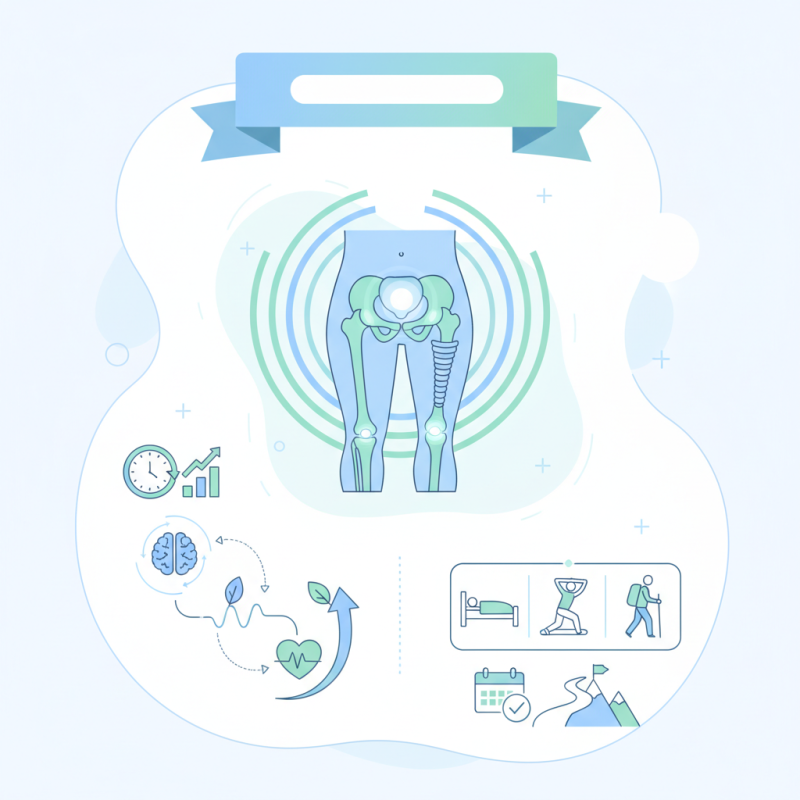
Why is Recovery Time Important After Orthopedic Implant Surgery?

Understanding Recovery Time in Orthopedic Implant Surgery

Recovery time is a crucial aspect of orthopedic implant surgery. It directly influences healing and long-term outcomes. After surgery, patients undergo a complex recovery process. This includes managing pain, swelling, and the risk of infection. Each patient’s journey is unique, and various factors affect recovery time. Age, overall health, and the type of surgery can all play significant roles.

Physical therapy is often a key part of recovery. Patients may need to start gentle exercises early on. This gradual approach helps restore mobility and strength. However, some patients may face setbacks. Pain or discomfort might occur, leading to frustration. It is essential to listen to one’s body during this period. Pushing too hard can delay healing.

Understanding the timeline for recovery is essential. While some people may experience significant improvement within weeks, others might take months. Therefore, setting realistic expectations is vital. Open communication with healthcare providers aids in navigating this process. Prioritizing recovery time can lead to better long-term success.

Why is Recovery Time Important After Orthopedic Implant Surgery?

Recovery Phase Duration (Days) Key Focus Expected Outcome
Initial Recovery 0 - 14 Pain Management, Mobility Reduced pain, Improved movement
Rehabilitation 15 - 30 Physical Therapy, Strengthening Increased strength, Better function
Full Recovery 31 - 90 Endurance, Range of Motion Return to daily activities, improved mobility
Long-term Recovery 90+ Lifestyle Adjustments, Monitoring Sustained health, Prevention of complications

Factors Influencing Recovery Duration After Surgery

Recovery duration after orthopedic implant surgery varies greatly. Several factors influence this timeline. Patient age plays a critical role. Younger patients often heal faster due to better overall health. Older individuals may experience extended recovery, often due to comorbidities.

Physical condition before surgery is vital. Patients with strong muscle support around the joint usually see quicker recovery. Those with chronic conditions, like diabetes, may face delays. Mental health also impacts recovery. Stress or anxiety can hinder healing processes, making it essential to address these issues.

Lastly, the type of surgery affects recovery time. Minimally invasive techniques typically result in shorter rehab periods. Complications can arise unexpectedly, prolonging healing. Open discussion with healthcare providers about potential challenges can help set realistic expectations for recovery.

The Role of Rehabilitation in Postoperative Recovery

Rehabilitation plays a pivotal role in recovery following orthopedic implant surgery. Effective rehabilitation can greatly enhance healing and mobility. Patients must understand that recovery is a gradual process. It requires patience, commitment, and the right support.

Engaging in physical therapy helps rebuild strength and flexibility in the affected area. A qualified therapist will tailor exercises to the patient’s needs. This individualized approach promotes optimal recovery. Patients often overlook the importance of adhering to their rehabilitation schedule. Regular attendance and practice can prevent complications and improve outcomes.

Tips for successful rehabilitation include setting realistic goals, tracking progress, and staying motivated. Celebrate small achievements, no matter how minor they may seem. Maintain open communication with healthcare professionals. They can provide insights and adjustments to ensure a smoother recovery journey. Remember, each person's recovery path is unique, and it’s okay to ask for help when needed.

Recovery Time After Orthopedic Implant Surgery

Common Challenges During Recovery from Orthopedic Surgery

Recovery from orthopedic surgery often presents various challenges. Pain management is a significant hurdle for many patients. After surgery, discomfort can be intense, impacting mobility and emotional well-being. Physical therapy is crucial, but it can also feel overwhelming. Patients may struggle to stick to their rehab plans due to fatigue and frustration.

Another common issue during recovery is the risk of infection. Surgical sites need careful monitoring. Signs of redness, swelling, or unusual drainage require immediate attention. This anxiety can weigh heavily on patients. Additionally, patients may feel isolated during this period. Support systems can play a vital role. Friends and family provide emotional and physical assistance.

Dietary changes are also essential. Proper nutrition supports healing. Patients need protein, vitamins, and minerals to recover effectively. However, making these changes can be difficult. Some patients lean on comfort foods that may not aid their recovery. This highlights the importance of awareness and mindfulness during the recovery process. Balancing these challenges can lead to a more successful outcome.

Benefits of Adequate Recovery Time for Long-Term Outcomes

After orthopedic implant surgery, recovery time is critical for long-term success. Rushed healing can lead to complications. According to the American Academy of Orthopaedic Surgeons, patients who follow recovery protocols see a 30% lower risk of reoperation. Proper recovery allows tissues to heal without stress. This process is vital for implant integration.

Adequate recovery time improves mobility and reduces pain. A study published in the Journal of Bone and Joint Surgery found that patients who adhere to recovery plans report 15% less pain six months post-surgery. This correlation underscores the importance of patience in the recovery journey. Skipping physical therapy or returning to daily activities too soon can result in setbacks, further extending recovery time.

During recovery, physical activity and personal care play crucial roles. Engaging in low-impact exercises, as advised by healthcare providers, promotes circulation and speeds healing. Yet, many patients struggle with this balance. Some may experience frustration due to slow progress, which can lead to hasty decisions. Recognizing the healing process is complex can foster a healthier outlook for recovery.

FAQS

: What factors affect recovery time after orthopedic implant surgery?

: Recovery time varies by age, overall health, and the type of surgery. Younger patients often heal faster.

How important is physical therapy in the recovery process?

Physical therapy is essential for restoring mobility and strength. Early gentle exercises can aid the recovery.

What challenges might patients face during recovery?

Pain management and the risk of infection are significant hurdles. Emotional well-being is also impacted.

How can mental health influence recovery time?

Stress and anxiety can hinder healing. Addressing mental health is crucial for a smoother recovery process.

What nutritional changes should patients consider?

Proper nutrition with proteins, vitamins, and minerals is vital. Comfort foods may not support recovery.

How can patients set realistic expectations for recovery?

Understanding timelines and communicating with healthcare providers helps in setting practical goals and timelines.

What should patients do if they experience pain during recovery?

It’s important to listen to your body. Avoid pushing too hard, as this can delay healing.

Why is monitoring the surgical site crucial?

Early signs of infection, like redness or swelling, require immediate attention to ensure proper healing.

How can support systems assist during recovery?

Friends and family can provide both emotional and physical support, which is essential during recovery.

What are the risks of ignoring recovery timelines?

Pushing through pain may lead to setbacks. Reflecting on one’s limits is key to successful recovery.

Conclusion

Recovery time after orthopedic implant surgery is crucial for ensuring successful outcomes and long-term health. Factors such as the patient's age, overall health, and the complexity of the procedure greatly influence how long is recovery from orthopedic implant surgery. Typically, a well-structured rehabilitation program plays an essential role in expediting recovery, helping patients regain strength and mobility.

However, patients may encounter common challenges during their recovery, such as pain management and limited mobility, which can affect their adherence to rehabilitation protocols. Adequate recovery time allows for proper healing and adjustment, ultimately leading to improved function and satisfaction with the surgical results. By understanding the importance of recovery time and how to navigate potential obstacles, individuals can better prepare for their journey post-surgery.

Charlotte

Charlotte

Charlotte is a seasoned marketing professional with a deep understanding of the company's portfolio and a passion for elevating its presence in the market. With a keen eye for detail and a commitment to excellence, she ensures that our professional blog is regularly updated with insightful articles......