Tandir Orthopedic Implants Tandir Orthopedic Implants

How to Prevent Infection After Orthopedic Implant Surgery?

Time:2026-05-11 Author:Amelia
0%

In orthopedic surgery, preventing infections is critical for patient recovery. Dr. John Smith, an orthopedic surgeon with over 20 years of experience, emphasizes, "Understanding how to prevent infection after orthopedic implant surgery is vital for optimal outcomes." Infections can lead to complications, extended hospital stays, or even implant failure.

Patients often overlook the importance of proper wound care. Simple measures, like keeping the surgical site clean, can significantly reduce infection risks. Additionally, maintaining good nutrition boosts the immune system and aids recovery. Antibiotics might be prescribed, but they are not a substitute for preventive practices.

Reflecting on past cases reveals that even minor lapses can lead to severe consequences. A thorough understanding of how to prevent infection after orthopedic implant surgery helps both doctors and patients. By staying informed and proactive, patients can feel more confident in their healing journey.
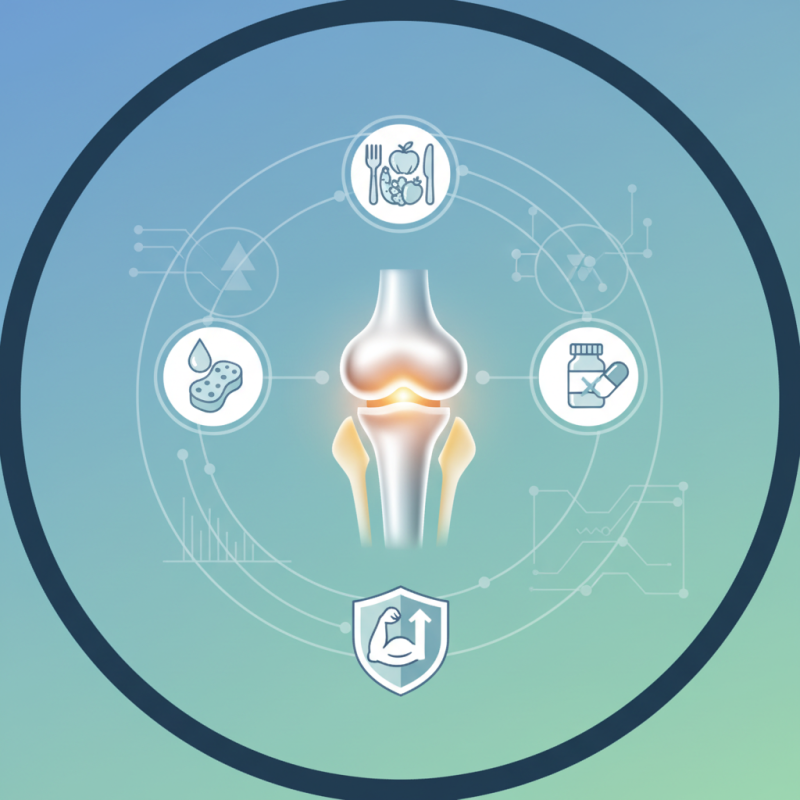
How to Prevent Infection After Orthopedic Implant Surgery?

Understanding the Importance of Infection Prevention in Orthopedic Surgery

Infection prevention is crucial in orthopedic surgery. A post-surgical infection can lead to severe complications. It can delay healing and impact mobility. Understanding how to minimize risks is essential for all patients.

Proper wound care is vital. Keeping the surgical site clean can prevent bacteria from entering. Patients should follow their surgeon’s instructions carefully. This includes changing dressings and monitoring for signs of infection, like increased redness or swelling. Despite best efforts, infections can still occur. It's important to stay aware of this possibility.

Antibiotics may be prescribed to reduce infection risk. However, misuse or overuse can lead to resistance. Doctors must balance providing enough protection without compromising future treatment options. Regular follow-ups can help catch infections early. Being proactive with symptoms and concerns fosters a better recovery process.

Preoperative Measures to Reduce Infection Risk Before Surgery

Preparing for orthopedic implant surgery involves crucial preoperative measures to reduce the risk of infection. One primary step is to ensure the surgical area is properly disinfected. The skin must be cleansed thoroughly, and any hair in the operative field should be removed carefully, using sterile techniques. This minimizes bacterial presence during the procedure, which can be critical for a successful outcome.

Moreover, patients should focus on their overall health before surgery. This includes managing existing medical conditions, such as diabetes or obesity, which can complicate recovery. Nutrition plays a vital role as well; a balanced diet can strengthen the immune system. It may be worthwhile to consult a nutritionist to optimize dietary choices.

Lastly, addressing lifestyle factors is essential. Quitting smoking significantly lowers infection risk and improves healing. It's also vital for patients to discuss any medications with their doctor, as some can affect surgery outcomes. Inadequate communication can lead to unexpected challenges. Each of these preparations contributes to reducing the chances of infection and promotes a smoother recovery process.

Intraoperative Techniques to Minimize Infection During the Procedure

In orthopedic implant surgery, reducing infection risk is crucial. Surgeons can use various intraoperative techniques to create a safer environment. For example, the surgical team should ensure a sterile field. Proper draping minimizes microbial exposure. This simple process is vital for preventing contamination.


Another technique involves minimizing the duration of the procedure. The longer a surgery lasts, the higher the infection chance. Surgeons must plan meticulously and work effectively. Each movement should be precise to keep the operation efficient. Additionally, using appropriate antimicrobial prophylaxis during the procedure can further decrease infection risks.


Environmental control also matters. Maintaining optimal temperature and humidity in the operating room can limit bacterial growth. Regularly monitoring equipment and surfaces for cleanliness is essential. While these steps can significantly reduce risks, the surgical team must remain vigilant. Even with strict protocols, surgical infections can still occur. Continuous reflection on practices is necessary for improving outcomes.

Postoperative Care Practices to Promote Healing and Prevent Infections

After orthopedic implant surgery, proper postoperative care is crucial for preventing infections. Keeping the surgical site clean and dry is essential. Patients should follow their surgeon's instructions regarding dressing changes. Regularly check for any signs of infection, such as increased redness or discharge. If any abnormalities arise, consult your healthcare provider promptly.

Maintaining good nutrition plays a vital role in the healing process. Eating a balanced diet rich in vitamins and minerals can boost the immune system. This often gets overlooked but is critical. Staying hydrated is equally important. Water helps with circulation and supports overall recovery. Don't underestimate the power of simple actions in promoting healing.

Physical activity should be approached with caution. While movement aids recovery, excessive strain can lead to complications. Gradually increase activity levels as advised by healthcare professionals. Observing limitations can prevent unnecessary setbacks. Balancing rest and movement is key, but finding this balance can be challenging. Regular follow-ups with the surgical team ensure that recovery is on track and any potential issues are addressed early.

Signs of Infection After Surgery and When to Seek Medical Attention

After orthopedic implant surgery, recognizing signs of infection is crucial. Symptoms can manifest in various forms. Look for increased redness around the incision site. Swelling is another red flag. If the area feels warm or develops a fever, these could indicate an infection. Discomfort or severe pain that worsens over time may serve as a warning sign.

Timely medical attention can prevent complications. If you experience unusual discharge from the wound, don't hesitate to consult your doctor. Seek help if your mobility decreases or if you feel unwell overall. Tracking these symptoms can lead to early intervention. In the days following surgery, maintain a close watch. The sooner you act, the better your recovery will be. Ignoring small signs may lead to serious consequences. Prioritize your health with vigilance and prompt care.

How to Prevent Infection After Orthopedic Implant Surgery?

Prevention Measures Signs of Infection When to Seek Medical Attention
Maintain proper hygiene Increased pain or swelling around the incision If fever exceeds 101°F
Follow surgical care instructions Discharge of pus or fluid from the wound If there are signs of spreading redness
Avoid submerging the wound Fever or chills If symptoms persist or worsen
Limit physical activity as advised Unusual warmth around the wound If you experience shortness of breath

FAQS

: What should I do to prepare my surgical area before orthopedic surgery?

: Ensure the surgical area is disinfected. Clean the skin thoroughly and remove hair carefully with sterile techniques.

How can I manage my health before surgery?

Focus on overall health. Manage conditions like diabetes or obesity and maintain a balanced diet to strengthen immunity.

Is nutrition important before surgery?

Yes, a balanced diet plays a vital role. Consulting a nutritionist can help optimize your dietary choices.

What lifestyle changes can lower infection risks?

Quitting smoking significantly lowers infection risks. It's essential for better healing post-surgery.

Why is communication with my doctor important?

Discussing medications with your doctor is crucial. Some may affect your surgery outcomes and lead to challenges.

What intraoperative techniques reduce infection risk?

Maintain a sterile field and minimize surgery duration. Each action should be precise to avoid complications.

How can the operating room environment affect infection risk?

Keeping optimal temperature and humidity limits bacterial growth. Clean equipment and surfaces regularly for safety.

What are common signs of infection after surgery?

Look for increased redness, swelling, warmth, fever, and worsening pain. These symptoms may indicate an infection.

When should I seek medical attention after surgery?

Consult your doctor if you notice unusual discharge or decreased mobility. Early action can prevent complications.

Why is it essential to track symptoms after surgery?

Monitoring symptoms closely leads to early intervention. Ignoring them may result in serious consequences for your health.

Conclusion

In the context of orthopedic implant surgery, understanding how to prevent infection after orthopedic implant surgery is crucial for patient recovery and long-term outcomes. Effective infection prevention starts long before the surgical procedure, with preoperative measures that include thorough patient assessments and appropriate antibiotic prophylaxis. During the surgery, specific intraoperative techniques, such as maintaining a sterile environment and minimizing surgical time, are vital to reducing infection risk.

Postoperative care plays a significant role in promoting healing and preventing infections, comprising proper wound care and monitoring for any signs of complications. Patients should be vigilant about symptoms such as increased redness, swelling, or discharge at the surgical site, and should seek medical attention promptly if these arise. By focusing on these key strategies throughout the surgical process, both healthcare providers and patients can work together to minimize the risk of infection and ensure a successful recovery.

Amelia

Amelia

Amelia is a seasoned marketing professional with a wealth of expertise in our company’s core offerings. With an unwavering passion for driving growth and innovation, she plays a pivotal role in shaping our marketing strategies and enhancing brand visibility. A key aspect of her responsibilities......