Tandir Orthopedic Implants
Osseointegration is a pivotal concept in orthopedics. Understanding "What is osseointegration in orthopedics" can change patient outcomes dramatically. Dr. John Smith, an authority in orthopedic surgery, states, "Osseointegration allows for a stronger, lasting bond between the bone and implant." This statement encapsulates the significance of the process.
Osseointegration involves the direct connection between living bone and the surface of a load-bearing implant. This connection provides stability and longevity for orthopedic devices. Without osseointegration, implants face the risk of loosening, leading to complications. Proper integration is crucial for the success of orthopedic surgeries, including joint replacements and dental implants.
The journey to perfect osseointegration is complex. Not all patients experience optimal outcomes. Factors such as age, bone density, and overall health can influence the process. Sometimes, the integration falls short, leading to frustrations for both surgeons and patients. Reflecting on these challenges helps drive advancements in the field. Understanding the nuances of osseointegration paves the way for improved techniques and better patient care.
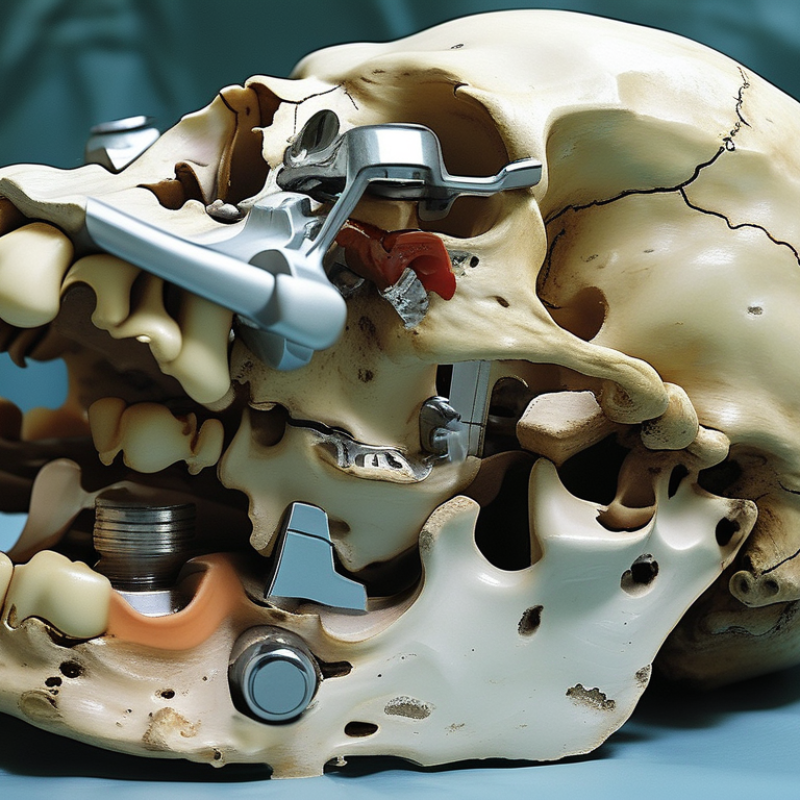
Osseointegration is the direct structural and functional connection formed between living bone and the surface of a load-bearing implant. This biological process plays a crucial role in orthopedic surgeries, particularly in joint replacements and dental implants. According to a 2020 report from the Journal of Orthopedic Research, successful osseointegration rates can exceed 95% in well-planned procedures. Understanding this concept is essential for orthopedic surgeons, as it impacts patient outcomes significantly.
The importance of osseointegration lies in its ability to provide stability and strength to implants. When an implant integrates well with the bone, it mimics the natural joint function, allowing for better mobility and less discomfort. However, not every implant achieves successful osseointegration. Factors such as infection, poor bone quality, and inadequate surgical techniques can lead to failure. Studies indicate that nearly 10% of orthopedic implants experience complications linked to osseointegration failures. These statistics highlight the need for continuous improvement in surgical practices and patient management.
Practitioners face challenges in ensuring optimal conditions for osseointegration. The complexity of biological healing processes can vary widely from patient to patient. Personalized approaches to treatment, including enhanced preoperative assessments and tailored rehabilitation protocols, are vital. Moreover, ongoing research into biomaterials and surface modifications of implants aims to enhance osseointegration rates and improve long-term outcomes for patients. Embracing these developments is critical for advancing orthopedic care.
Osseointegration is a crucial process in orthopedics, primarily involving the direct bone-to-implant contact that enhances stability and functionality. The cellular and molecular interactions during this process are essential for successful integration. Osteoblasts, the bone-forming cells, play a vital role in this mechanism. They respond to mechanical stimuli and initiate bone formation around the implant, creating a secure bond.
Research has shown that proper surface characteristics of implants can significantly influence osseointegration. According to comprehensive studies, implants with micro and nanotopographies improve bone cell adhesion and proliferation. Data indicates that the rate of bone integration can increase by up to 50% with optimized surface treatments. This finding emphasizes the importance of enhancing implant design to promote better outcomes for patients.
**Tip: Ensure optimal loading conditions post-surgery to support healing. Gradual loading can aid in the osseointegration process.**
It is interesting to note that individual patient factors, such as metabolic health, significantly influence osseointegration outcomes. Some patients may experience delayed integration due to underlying conditions. Continuous monitoring and follow-up are crucial to identify any complications early. Understanding these variables can improve treatment effectiveness and patient satisfaction.
**Tip: Regular follow-ups help track progress and address issues as they arise. Early intervention can prevent larger problems later.**
Osseointegration is a transformative technique in orthopedics that enhances bone reconstruction. This process involves the direct structural and functional connection between living bone and the surface of an artificial implant. Studies indicate that osseointegration significantly improves the success rates of orthopedic implants. For example, a report by the American Academy of Orthopaedic Surgeons suggests that osseointegration leads to a success rate of over 90% in total hip replacements.
In clinical applications, osseointegration plays a crucial role in various surgeries. It is vital for limb salvage procedures, which are essential for patients with severe trauma or cancer. Research highlights that osseointegrated implants yield better functional outcomes. Patients report improved mobility and reduced pain post-surgery. Furthermore, osseointegration allows for better load transmission during physical activities, leading to enhanced rehabilitation outcomes.
Despite its advantages, challenges remain. Not all patients respond favorably to osseointegration. Complications such as infection or implant failure are possible. Data shows that careful patient selection is crucial for success. Ongoing research aims to refine techniques and reduce complications. As the field evolves, osseointegration continues to offer hope for improved quality of life in orthopedic patients.
| Application | Description | Advantages | Challenges |
|---|---|---|---|
| Dental Implants | Used to replace missing teeth by anchoring the implants into the jawbone. | High success rate, improved aesthetics and functionality. | Risk of infection, requirement of sufficient bone density. |
| Prothesis Fixation | Implants are used in joint replacements for enhanced stability. | Increased mobility, shorter recovery time compared to traditional methods. | Complications related to prosthesis dislocation or wear. |
| Bone Reconstruction | Supports the healing of fractures and bone defects through stable implant integration. | Promotes natural bone healing, reduces the chance of non-union. | Potential for delayed healing, requires careful surgical technique. |
| Amputation Rehabilitation | Facilitates attachment of prosthetic limbs directly to the bone. | Greater comfort and control over prosthetic devices. | Higher incidence of complications, longer healing process. |
Osseointegration is a groundbreaking process in orthopedics that connects bone to an implanted device. It allows for seamless integration, resulting in enhanced stability and functionality. This connection is vital for prosthetics and orthopedic devices, as it enables better load distribution and reduces the risk of implant loosening.
One significant benefit of osseointegration is improved mobility. Individuals with prosthetic limbs experience greater control and natural movement. This integration offers enhanced comfort, making daily activities more manageable. Patients can walk, run, or engage in sports with less discomfort than traditional prosthetics. Nonetheless, the success rate can vary. Factors such as bone quality or surgical technique must be considered.
Another advantage is the reduction in skin issues. Traditional prosthetics often cause friction between the skin and the device. Osseointegration eliminates this problem, leading to fewer infections and skin irritations. However, not all patients may be suitable for this procedure. It requires thorough patient evaluation and ongoing care post-surgery. Therefore, while osseointegration presents many benefits, it's crucial to weigh potential risks against rewards.
Osseointegration is revolutionizing orthopedics. It refers to the direct connection between bone and an implant. While it has great potential, significant challenges remain. Traditional methods of fixation often lead to issues like infection and loosening, which can compromise the longevity of orthopedic devices. Researchers are actively exploring ways to enhance the integration process.
Current challenges include limited understanding of biological processes. Factors like patient variability influence outcomes. Developing materials that promote better healing is crucial. Innovations in nanotechnology could contribute to better implant surfaces. However, these materials need thorough testing for safety and efficacy.
Future directions in osseointegration research require collaboration. Interdisciplinary approaches involving biology, engineering, and clinical practice will be essential. Additionally, more long-term studies are needed to assess the reliability of new techniques. While strides have been made, the road ahead is complex and filled with uncertainties. Addressing these issues could lead to improved patient care in orthopedics.
: Osseointegration is a process where living bone connects directly to an artificial implant.
It improves success rates, enhances mobility, and reduces post-surgery pain.
It allows for better stability and functionality, improving user comfort and mobility.
Yes, potential risks include infections and implant failures, requiring careful patient selection.
Not all patients respond well; some might face complications that can affect results.
Yes, it provides better load transmission, aiding in rehabilitation and functional recovery.
No, patients must undergo thorough evaluations to determine suitability for the procedure.
Bone quality can significantly affect the success rate, influencing surgical techniques used.
It eliminates friction, leading to fewer skin irritations and infections compared to traditional devices.
Research aims to refine techniques and minimize complications to enhance patient outcomes.
Osseointegration in orthopedics refers to the process through which a direct structural and functional connection develops between living bone and the surface of a load-bearing implant. This phenomenon is critically important as it enhances the stability and longevity of orthopedic devices, particularly in bone reconstruction and prosthetics. The mechanism of osseointegration involves complex cellular and molecular interactions, where bone cells adhere to the implant surface, promoting new bone formation.
Clinical applications of osseointegration span various fields, enabling improved outcomes in joint replacements and limb prosthetics. The benefits include enhanced patient mobility and reduced complications related to conventional fixation methods. However, challenges remain, such as variability in patient response and the need for advanced materials that promote better integration. Future directions in osseointegration research aim to address these challenges, exploring innovative strategies to optimize implant performance and integration with biological tissues.
