Tandir Orthopedic Implants Tandir Orthopedic Implants

Are Orthopedic Implants Made of Metal Materials?

Time:2026-06-22 Author:Sophia
0%

The question, "Are orthopedic implants metal?" leads us into the fascinating world of modern medicine. Orthopedic implants play a crucial role in surgeries, helping restore function and alleviate pain. There is often confusion about the materials used. Many people assume that these implants are solely made of metal. However, this reality is more complex.

Metal materials like titanium and stainless steel are widely used due to their strength and durability. They provide excellent compatibility with the human body. Yet, not all implants are metallic. Some are made from polymers or composites. This aspect raises questions about the best material for individual cases. Factors such as the patient's condition and the type of surgery can influence the choice of materials.

Understanding the mix of materials in orthopedic implants requires expertise. Research and experience show that each material has distinct advantages. However, there are still areas needing exploration. As technology advances, innovation may lead to better alternatives. This ongoing journey in orthopedic medicine highlights the importance of informed discussions surrounding the materials used in implants.
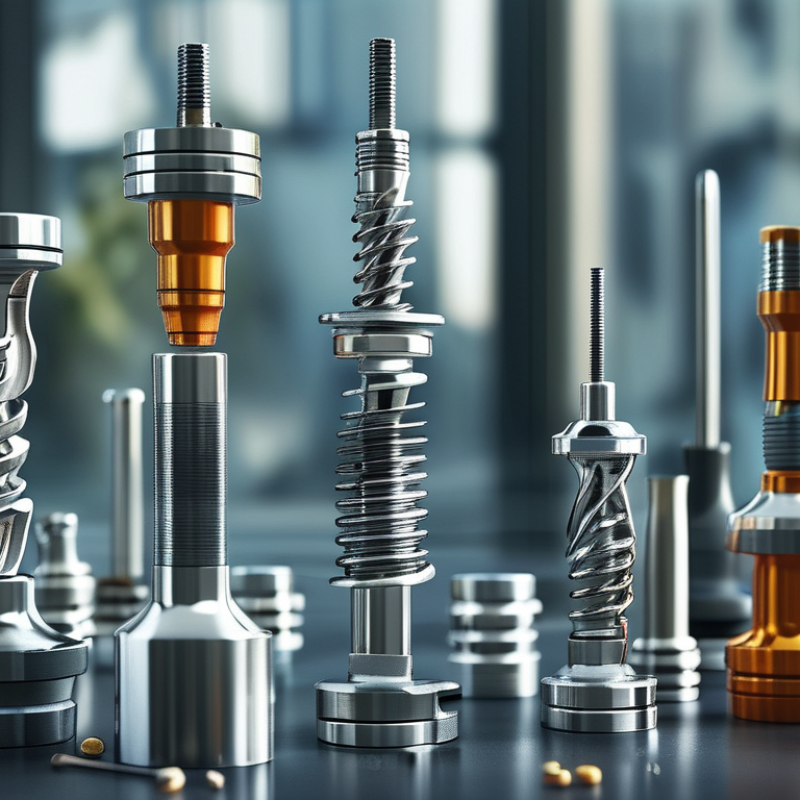
Are Orthopedic Implants Made of Metal Materials?

What Are Orthopedic Implants?

Orthopedic implants are medical devices designed to support or replace damaged bones and joints. They include screws, plates, rods, and prosthetic joints. These devices are crucial for restoring mobility and function. A 2021 report by the Orthopedic Research Society highlights that over 1 million total joint replacement surgeries are performed annually in the United States alone. This number continues to rise due to increasing rates of orthopedic injuries and an aging population.

The materials used in these implants significantly impact their performance and longevity. Generally, metals like titanium and stainless steel are favored for their strength and biocompatibility. According to a study published in the Journal of Materials Science, around 80% of orthopedic implants utilize metal materials due to their reliability. However, some studies also indicate that metal implants can present challenges, like corrosion and allergic reactions in some patients.

While metal provides durability, the evolving field of biocompatible polymers is also noteworthy. These materials may offer enhanced flexibility and reduced stress shielding. The future of orthopedic implants may require a balance between traditional metal use and innovative materials. Continuous research is essential to optimize implant design for better patient outcomes.

Types of Materials Used in Orthopedic Implants

Orthopedic implants are crucial for treating musculoskeletal issues. These devices are commonly made from various materials. Metal, polymer, and ceramic are the primary categories.

Metal materials, like titanium and stainless steel, are favored for their strength and durability. According to a report by the Journal of Orthopedic Research, titanium offers excellent biocompatibility. It can integrate with bone, significantly enhancing implant stability. However, metal implants may corrode over time, raising concerns for long-term use.

Polymers also play a vital role in orthopedic implants. They provide flexibility and can reduce wear on surrounding tissues. For instance, ultra-high molecular weight polyethylene (UHMWPE) is widely used in joint replacements. Research shows that it can withstand extensive friction but may degrade under stress. This raises questions about its longevity in demanding scenarios. Ceramic materials, known for their hardness, are often used in hip implants. They have a low wear rate but can be brittle. This brittleness can lead to fracture in high-stress situations.

Each material has its strengths and limitations. Understanding these can lead to more informed choices in orthopedic treatments. Balancing durability with biocompatibility is a constant challenge in the field.

The Role of Metal in Orthopedic Implant Manufacturing

Metal materials play a crucial role in the manufacturing of orthopedic implants. These implants, typically made from titanium and stainless steel, provide the strength and durability needed for long-term use. According to a report by the Journal of Orthopaedic Research, around 70% of orthopedic implants are made from these metals due to their biocompatibility and resistance to corrosion.

Titanium is particularly favored for its lightweight nature and excellent mechanical properties. Studies indicate that titanium implants can withstand significant loads, ensuring they remain functional over time. However, there is an ongoing debate about the potential for metal ions to enter the body, raising concerns about long-term compatibility. This highlights the need for ongoing research into the effects of metal wear debris.

Tip: When considering orthopedic implants, discuss with your healthcare provider about materials. Understanding the options helps you make informed choices.

While metal implants are widely used, not all patients respond the same way. Some might experience allergic reactions or metal sensitivity. Researchers continue to explore alternative materials, such as polymers and ceramics, to address these concerns. Awareness of these potential issues is essential for patients and practitioners alike.

Tip: Keep track of your body's response post-surgery. Regular check-ups can help detect any unusual reactions early.

Benefits of Metal Materials in Orthopedic Implants

Metal materials play a pivotal role in the field of orthopedic implants. Their strength and durability make them ideal for load-bearing applications within the body. According to a report by Grand View Research, the global orthopedic implant market was valued at approximately $48.74 billion in 2021. Metal implants, particularly titanium and stainless steel, account for a significant share of this market. Their biocompatibility ensures they can coexist safely within the body's environment.

The benefits of metal materials in orthopedic implants are substantial. They provide excellent mechanical properties, which are crucial for the long-term success of implants. For instance, titanium alloys exhibit a high strength-to-weight ratio, making them lightweight yet robust. This characteristic is particularly beneficial for joint replacements and fracture fixation. A study published in the Journal of Orthopedic Research highlights that titanium implants can lead to better patient outcomes compared to those made from weaker materials.

However, there are challenges. Corrosion resistance, although generally favorable in metals, can vary under different physiological conditions. This variability necessitates ongoing research and development to improve metal performance in implants. These imperfections in existing materials invite attention from experts. Understanding these nuances helps in optimizing implant design and material selection, ensuring better surgical outcomes for patients.

Challenges and Considerations in Using Metal for Implants

Orthopedic implants are often made of metal materials like titanium and stainless steel. While these metals are strong and durable, their use presents several challenges. One concern is biocompatibility. Metal implants must not trigger adverse reactions in the body. Some patients may develop allergies or sensitivities to certain metals. This raises questions about how often these reactions occur.

Another consideration is corrosion. Metals can corrode over time, especially when exposed to body fluids. This can lead to the release of harmful ions into the surrounding tissue. Researchers are continuously working on coatings and treatments to enhance the durability of these implants. However, there is still much to learn about the long-term effects of these materials.

The manufacturing process of metal implants is intricate. Achieving the right balance of strength and flexibility is not easy. Design flaws can occur, impacting performance and patient recovery. Maintaining rigorous quality control is essential, but flaws can still slip through the cracks. Continuous evaluation and improvement are vital in ensuring both safety and effectiveness in orthopedic surgeries.

FAQS

: What are orthopedic implants?

: Orthopedic implants are medical devices designed to support or replace damaged bones and joints.

What materials are commonly used for orthopedic implants?

Metals like titanium and stainless steel are commonly used due to their strength and biocompatibility.

Why are orthopedic implants important?

They restore mobility and function, allowing individuals to regain their quality of life post-surgery.

Are there any complications related to metal implants?

Yes, some patients may experience allergic reactions or metal sensitivity, which can complicate recovery.

How can patients monitor their response to implants?

Keeping track of any unusual reactions and attending regular check-ups is crucial after surgery.

What is the future of orthopedic implants?

The future may involve a mix of traditional metals and innovative materials to enhance patient outcomes.

What percentage of orthopedic implants are made from metal?

Around 70% of orthopedic implants are made from titanium and stainless steel.

What are biocompatible polymers?

They are alternative materials that may offer enhanced flexibility and reduced stress shielding.

Is titanium safe for long-term use in implants?

There are concerns about metal ions entering the body, which requires ongoing research.

How can patients make informed choices about their implants?

Discussing material options with healthcare providers helps patients understand their choices.

Conclusion

Orthopedic implants are essential devices used to support or replace damaged bones and joints. Typically made from various materials, one of the primary inquiries in this field is, "Are orthopedic implants metal?" The answer lies in the extensive use of metal materials, such as titanium and stainless steel, due to their durability and biocompatibility.

Metals play a crucial role in orthopedic implant manufacturing, offering numerous benefits, including strength, resistance to corrosion, and the ability to withstand significant stress. However, the use of metal also comes with challenges, such as potential allergic reactions and the need for precise engineering to avoid failure. Understanding the balance of these factors is vital for the development and selection of effective orthopedic solutions.

Sophia

Sophia

Sophia is a dedicated marketing professional with an exceptional depth of knowledge about her company's products and services. With a keen understanding of market trends and customer needs, she crafts insightful blog posts that not only inform but also engage readers, enriching the company’s online......