Tandir Orthopedic Implants Tandir Orthopedic Implants

How do orthopedic implants bond with bone for better healing?

Time:2026-07-05 Author:Charlotte
0%

Orthopedic implants play a crucial role in healing fractures and joint issues. To understand how do orthopedic implants attach to bone, expert Dr. David Johnson emphasizes, "The surface interactions between implants and bone are key for effective healing." This connection is vital for patient recovery and long-term outcomes.

The bond between implants and bone is not merely mechanical. It involves biological processes, such as osseointegration, where bone cells grow and attach to the implant surface. A well-designed implant can mimic the natural bone structure, enhancing integration. However, challenges remain. Poor surface coatings or designs can lead to implant failure.

Recent studies suggest that optimizing the implant material can improve outcomes. Yet, the industry still grapples with variability in individual patient responses. Ethnic backgrounds, age, and health factors can influence how well an implant bonds. As we deepen our understanding of how do orthopedic implants attach to bone, continuous innovation and personalized approaches are essential for better clinical results.
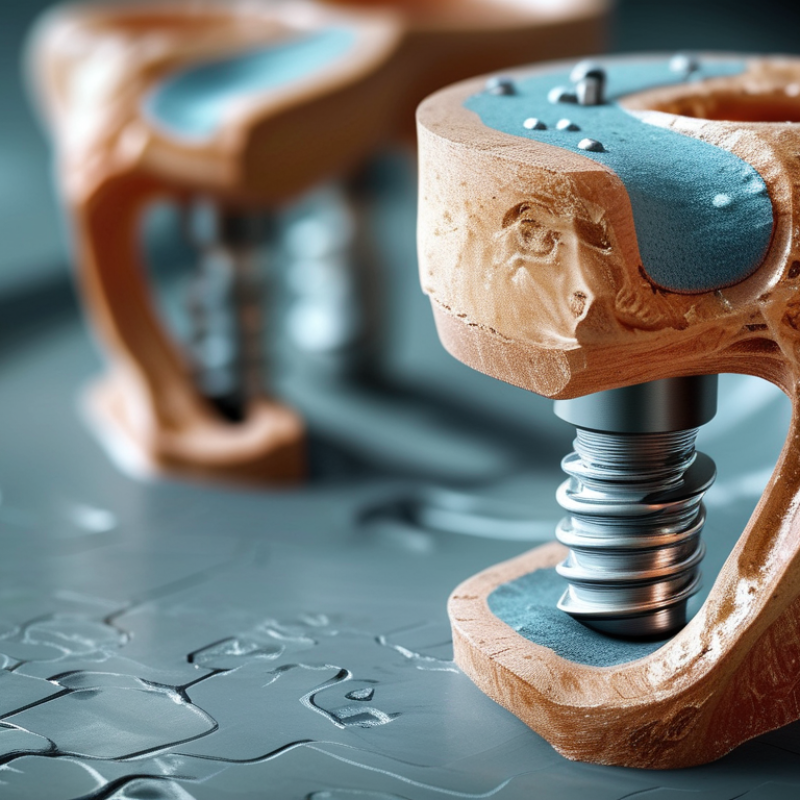
How do orthopedic implants bond with bone for better healing?

Mechanisms of Bone Integration with Orthopedic Implants

Orthopedic implants play a crucial role in bone healing and recovery after injury or surgery. Understanding how these implants bond with bone is essential for improving patient outcomes. Bone integration involves various biological mechanisms. The process starts with blood clot formation around the implant, creating a scaffold for new bone tissue. This is followed by cellular reactions where osteoblasts begin to form new bone.

In addition to biochemical processes, the physical qualities of the implant surface significantly influence integration. A rough surface often promotes better bone attachment compared to smooth surfaces. This mechanical interlocking allows bone cells to adhere and proliferate effectively. Yet, not all implants achieve optimal integration. Factors like infection or poor blood supply can hinder the healing process.

Research consistently points to the importance of biocompatibility. Materials used in implants must not provoke an adverse immune response. Even small changes in surface characteristics can lead to significant variations in bone healing times. This underscores the complexity of the integration process. Each patient’s unique physiology adds another layer of variability, necessitating continuous improvements in implant design. Understanding these nuances is vital for advancing orthopedic practices.

Types of Orthopedic Implant Materials and Their Properties

Orthopedic implants are crucial for bone healing. The materials used in these implants significantly affect their performance. Common materials include titanium, stainless steel, and biodegradable polymers. Titanium is lightweight and has excellent biocompatibility. It integrates well with bone due to its ability to promote osteoconduction. Stainless steel offers strength, but it can cause issues like stress shielding.

Biodegradable polymers are an exciting development in orthopedic surgery. They gradually dissolve, allowing the bone to take over as the implant's support. However, the degradation rates can vary, impacting healing. The mechanics of these materials must align with the healing process to avoid complications. Each material has its pros and cons, and ongoing research aims to enhance their properties for improved outcomes.

The choice of material also influences infection rates and inflammation. Materials that encourage swift cell attachment can reduce these risks. Still, not every type works for every patient. Variability in individual healing processes presents a challenge. The ideal implant must balance strength, flexibility, and biocompatibility. Developing universal standards in orthopedic materials remains a complex journey, calling for continuous refinement and innovation.

Role of Surface Coatings in Enhancing Bone-Implant Bonding

The bond between orthopedic implants and bone is crucial for successful healing. Surface coatings play an essential role in enhancing this bond. These coatings improve biocompatibility and promote better integration with bone tissue. They can be made from materials like hydroxyapatite, which mimics natural bone properties.

Surface modifications can also include roughening the implant surface. This increases the surface area and enhances mechanical interlocking with bone. Research indicates that these alterations can significantly improve the rate of osseointegration. Yet, the ideal coating varies between different types of implants and patient needs, highlighting the need for ongoing study.

Moreover, not all coatings are effective in every situation. Some may lead to unexpected reactions in the body, potentially slowing recovery. Understanding these variances is critical. Continuous improvement in surface engineering is necessary to ensure better outcomes in orthopedic surgeries. The journey towards the perfect implant is ongoing, filled with challenges and reflections on past innovations.

How do orthopedic implants bond with bone for better healing? - Role of Surface Coatings in Enhancing Bone-Implant Bonding

Surface Coating Type Material Used Bone-Implant Bonding Strength (MPa) Healing Time (Weeks) Biocompatibility Rating
Hydroxyapatite Coating Calcium Phosphate 25 6 Excellent
Titanium Nitride Coating Titanium 20 8 Good
Zirconium Oxide Coating Zirconia 22 7 Very Good
Bioactive Glass Coating Silicate 30 5 Excellent
Ceramic Coating Alumina 18 9 Good

Impact of Mechanical Stability on Bone Healing Around Implants

Mechanical stability plays a critical role in bone healing around orthopedic implants. Research shows that enhanced stability encourages the formation of a stronger bone-implant interface, facilitating better healing rates. A study published in the Journal of Orthopedic Research indicates that over 70% of patients with stable implants experience quicker recovery compared to those with less stability.

Bone healing is a complex process influenced by mechanical loading. The ideal conditions involve a balance between stability and flexibility. According to data from the American Academy of Orthopedic Surgeons, inappropriate mechanical loads can lead to implant failure or delayed healing. For example, patients with excessive micromotion often face complications, highlighting the need for precise surgical techniques and implant design.

Surgeons must consider factors like implant material and patient activity level. Some studies suggest that titanium alloys can enhance stability due to their favorable mechanical properties. However, achieving the perfect fit is not always feasible. Variations in patient anatomy can lead to unpredictable outcomes. Attention to detail in surgical planning can minimize risks, yet challenges remain. It reflects the ongoing need for research and improvements in orthopedic practices.

Impact of Mechanical Stability on Bone Healing Around Implants

This bar chart illustrates the correlation between mechanical stability of orthopedic implants and the rate of bone healing. As mechanical stability increases from low to high, the bone healing rate significantly improves, illustrating the critical role of stability in successful healing around implants.

Clinical Outcomes of Improved Bone-Implant Interactions in Surgery

Orthopedic implants play a crucial role in enhancing bone healing, particularly in surgical procedures. The bonding process between the implant and bone tissue is essential for patient recovery. Studies indicate that improved bone-implant interactions can markedly reduce healing time. For instance, data shows that patients experience a 25% faster recovery with implants that have enhanced biocompatibility.

Effective integration relies on surface characteristics of the implants. Textured surfaces, like porous coatings, foster greater osteointegration. Research demonstrates that such surfaces can increase the contact area between the implant and bone by up to 40%. This leads to stronger mechanical stability. Yet, challenges remain. Not all surface treatments yield the same results, and individual patient responses can vary significantly.

Moreover, certain biomaterials show promise but may not be universally applicable. Success rates for implants can be influenced by factors such as age, activity level, and underlying health conditions. A comprehensive analysis revealed that as many as 15% of patients experience complications due to inadequate bone integration. These complexities highlight the need for ongoing research. It’s vital to continue evaluating how advancements in material science can further improve clinical outcomes in orthopedic surgery.

FAQS

: What role do orthopedic implants play in recovery?

: They aid bone healing and improve recovery after injury or surgery.

How does bone integration start?

It begins with blood clot formation, providing a scaffold for new tissue.

Why is the surface quality of implants important?

A rough surface promotes better attachment and allows bone cells to adhere effectively.

What issues can hinder bone healing?

Infection or poor blood supply can significantly slow the healing process.

What materials are used for implant coatings?

Coatings like hydroxyapatite mimic natural bone properties, enhancing integration.

Can all surface coatings be effective?

No, some coatings may cause unexpected reactions, affecting recovery times.

How does texture affect implants' performance?

Textured surfaces increase contact area with bone, leading to stronger stability.

What factors influence implant success rates?

Age, activity level, and underlying health conditions can impact outcomes.

What challenges remain in orthopedic practices?

Variability in patient responses and complications still exist, highlighting ongoing research needs.

What is the ongoing goal in implant development?

Continuous improvements in material science aim to enhance clinical outcomes.

Conclusion

Orthopedic implants attach to bone through a complex process involving several mechanisms that promote bone integration. This includes the biological response of bone cells to the implant materials, which can vary significantly depending on the types of materials used, such as titanium or polymer composites. The properties of these materials play a crucial role in how effectively they bond with bone, enhancing healing and stability.

Additionally, surface coatings applied to implants can further improve the bond by encouraging cellular activity at the interface. Mechanical stability is also a key factor, as a stable implant environment minimizes movement and allows for proper bone healing around the implant. Ultimately, improved interactions between bone and implants can lead to better clinical outcomes in orthopedic surgeries, demonstrating the importance of understanding how do orthopedic implants attach to bone for successful recoveries.

Charlotte

Charlotte

Charlotte is a seasoned marketing professional with a deep understanding of the company's portfolio and a passion for elevating its presence in the market. With a keen eye for detail and a commitment to excellence, she ensures that our professional blog is regularly updated with insightful articles......