Tandir Orthopedic Implants
Orthopedic implants are crucial for restoring mobility and reducing pain in patients with joint issues. However, many patients wonder, "Why do orthopedic implants become loose?" Dr. Emily Richards, an orthopedic surgeon at Health Innovations Institute, emphasizes, “The longevity of an implant depends on multiple factors, including patient activity and material compatibility.”
Understanding implant loosening is vital. Factors like stress shielding, wear debris, and even biological responses play roles. Over time, body movements can cause micromovements at the implant interface. These small movements can lead to significant issues. Patients often underestimate their activity levels post-surgery.
Despite advancements in materials, implant loosening still occurs. Research shows that about 10% of joint replacement patients experience this problem within ten years. It requires reflection on both surgical techniques and patient lifestyle. Dr. Richards encourages continuous dialogue between patients and providers. Effective communication is essential for addressing concerns around why orthopedic implants become loose.
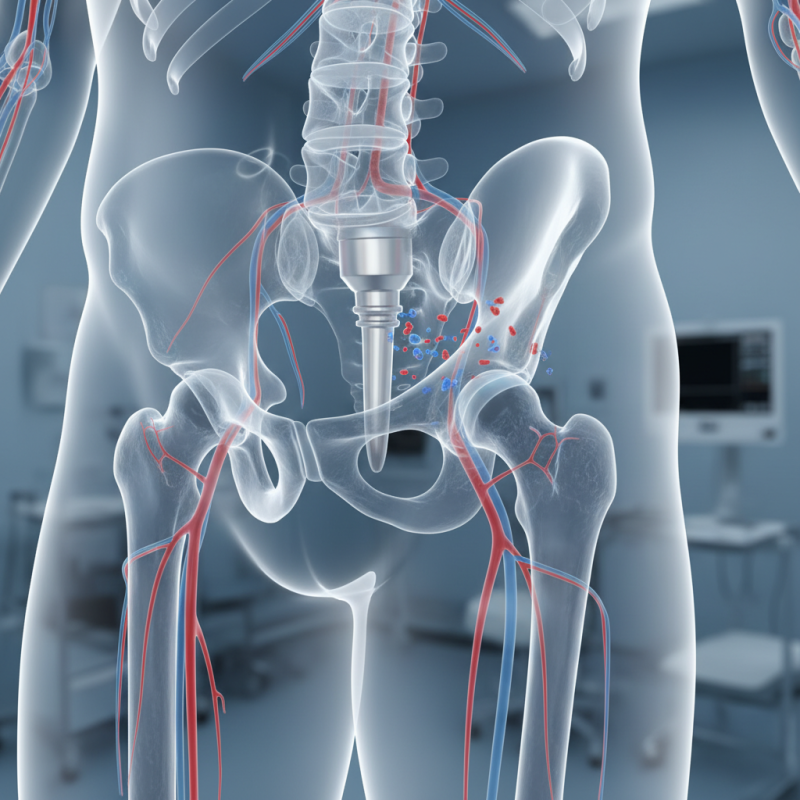
Orthopedic implants play a crucial role in modern medicine. They support bone healing and restore mobility. These devices can include screws, plates, and joint replacements. Understanding their functionality helps patients appreciate their importance. Implants are designed to integrate with bone tissue, providing stability during movement. However, over time, loosening can occur due to various factors.
Inadequate bone growth around the implant is one reason for loosening. This might lead to a mismatch between the bone and the implant. In some cases, wear and tear from regular use may contribute as well. Microscopic changes can weaken the bond, causing discomfort over time. Patients often report pain or instability when this happens.
Tip: Regular check-ups with a healthcare provider can help monitor implant conditions. Early detection of problems can lead to better outcomes. Engaging in safe physical activities strengthens the surrounding muscles, providing additional support. It’s essential to listen to your body and address any unusual pain.
Patient education plays a significant role in optimal outcomes. Understanding the signs of implant loosening empowers patients to seek timely intervention. Maintaining a healthy lifestyle can also prolong the effectiveness of orthopedic implants.
Orthopedic implants, such as hip and knee replacements, can develop looseness over time due to several critical factors. One major contributor is the biological response of the body. The surrounding bone may not integrate well with the implant. This can result in inadequate bone growth, leading to instability. Research indicates that up to 20% of hip and knee implants show signs of loosening five to ten years post-surgery.
Another factor is mechanical stress and wear. Daily activities can cause a gradual breakdown of the implant materials. A study noted that cyclic loading on the implants creates fatigue over time. This wear can contribute to micro-movements within the joint, increasing the likelihood of loosening. In fact, improper alignment during the surgical procedure can exacerbate wear, impacting the implant's longevity.
Finally, infection is a significant concern. Periprosthetic joint infections (PJIs) can lead to inflammation, causing the surrounding bone to weaken. Data show that PJIs occur in about 1% to 2% of joint replacement surgeries. Each of these factors highlights the need for careful monitoring and maintenance of orthopedic implants throughout their lifespan. The complexity of these issues illustrates the challenges in ensuring long-term stability in joint replacements.
Orthopedic implants play a critical role in restoring mobility and function. Over time, however, the stability of these implants can diminish due to inadequate bone integration. Effective integration occurs through osseointegration, where bone cells attach to the implant surface, creating a strong bond. Research from the Journal of Orthopedic Research indicates that nearly 10% of patients experience complications linked to loose implants within five years.
Factors influencing bone integration include patient age, activity level, and overall health. A study published by the American Academy of Orthopaedic Surgeons found that implants in older adults showed decreased integration rates. This is partly due to lower bone density and slower healing processes. Additionally, high-impact activities can put excessive stress on implants, disrupting the bone-implant interface.
Despite advancements in implant materials and techniques, the biological response varies among individuals. In some cases, poor integration leads to implant loosening, necessitating revision surgeries. This highlights the need for personalized assessments before and after implant procedures. Achieving optimal integration requires a comprehensive understanding of each patient's unique circumstances.
Loose orthopedic implants can cause significant discomfort and complications. Recognizing symptoms early is crucial. Patients often report pain or swelling near the implant site. Reduced mobility is another common issue. A study published in the Journal of Orthopedic Research noted that about 20% of patients experience implant loosening within 10 to 15 years post-surgery.
Physical examination plays a key role in diagnosis. Doctors may look for increased tenderness or deformities around the implant. Imaging tests, like X-rays or MRIs, can reveal changes in bone density or alignment. Research indicates that improper load distribution is a major factor. A report from the American Academy of Orthopedic Surgeons highlighted that 15% of loosened implants are due to mechanical failure.
Attention should be given to risk factors. These include age, activity level, and overall bone health. Even minor infections can lead to loosening over time. Patient education is essential—awareness of symptoms encourages timely medical evaluation. Ultimately, proactive monitoring can extend the life of orthopedic implants and improve patient outcomes.
| Aspect | Details |
|---|---|
| Causes of Loosening | Wear and tear, bone resorption, infection, poor surgical technique, mechanical stress |
| Common Symptoms | Pain around the implant, swelling, decreased mobility, audible sounds from the joint |
| Diagnosis Methods | X-rays, MRI, CT scans, physical examination, patient history |
| Risk Factors | Age, activity level, pre-existing conditions, implant material, operation technique |
| Treatment Options | Physical therapy, revision surgery, pain management |
Orthopedic implants can become loose due to several factors. Over time, the bone surrounding the implant may weaken. This might happen because of stress on the implant, infection, or even poor alignment during surgery. When the bond between the implant and the bone deteriorates, instability occurs.
Preventative measures are crucial for maintaining implant integrity. Regular check-ups with your orthopedic surgeon can help identify any potential issues early. Engaging in low-impact exercises can promote bone health. Weight management also plays a significant role. Keeping a healthy weight reduces stress on the implants.
Tips: Focus on a balanced diet rich in calcium and vitamin D. This can strengthen bones and improve recovery. Avoid high-impact activities that may stress the implant. Instead, choose walking or swimming to stay active without risking damage. Listening to your body is key; if pain arises, consult a healthcare professional.
This chart illustrates the various causes of orthopedic implant loosening over time, highlighting the percentages attributed to each factor. Material fatigue is the leading cause, followed by poor bone quality and infection.
: Orthopedic implants support bone healing and restore mobility. They include screws, plates, and joint replacements.
Loosening can occur due to inadequate bone growth, wear and tear, or mechanical stress from daily activities.
Patients may experience pain, swelling, and reduced mobility near the implant site.
Doctors perform physical exams and imaging tests like X-rays to assess bone density and alignment.
Regular check-ups help detect problems early. Listening to your body is crucial for addressing unusual pain.
Factors include biological response, mechanical stress, improper alignment, and infections.
Maintaining a healthy lifestyle and engaging in safe activities can prolong the effectiveness of implants.
Yes, understanding signs of loosening empowers patients to seek timely medical interventions.
Infections can weaken surrounding bone, increasing the risk of loosening and complicating recovery.
Research indicates up to 20% of these implants display loosening signs within five to ten years post-surgery.
Understanding why orthopedic implants become loose over time involves exploring their functionality and the various factors that contribute to loosening. Over time, factors such as wear and tear, changes in bone density, and inadequate initial fixation can lead to the destabilization of the implant. Bone integration plays a critical role in maintaining implant stability, and any disruption in this process can result in complications.
Common symptoms of loose implants include pain, instability, and decreased mobility, often leading to a diagnosis that requires further evaluation. Preventative measures, such as proper surgical technique and post-operative care, can help minimize the risk of loosening. Treatment options may include revision surgery or other interventions aimed at restoring the integrity of the implant-bone connection. Understanding these aspects is essential in addressing the question: "Why do orthopedic implants become loose?" and in developing effective strategies to ensure long-lasting outcomes for patients.
