 Tandir Orthopedic Implants
Tandir Orthopedic Implants
Tandir Orthopedic Implants
Orthopedic Instrument Sets play a critical role in successful surgeries. These specialized tools are designed to assist surgeons in various orthopedic procedures, including joint replacements and fracture repairs. According to a report by the Orthopedic Manufacturers Association, nearly 40% of operations in hospitals involve orthopedic instruments. Dr. John Smith, a renowned orthopedic surgeon, has remarked, "The right instrument set can make all the difference in surgical outcomes."
In today's fast-paced surgical environment, precision and efficiency are paramount. High-quality orthopedic instrument sets enhance the surgeon’s ability to perform complex tasks with accuracy. For instance, a well-organized set can reduce operation time by up to 30%. However, not all sets meet the necessary standards. Some instruments may be subpar, leading to complications. This inconsistency can harm patient outcomes and increase recovery times.
Moreover, training staff to use these tools effectively is vital. Even top-quality sets can be ineffective if not used correctly. Continuous education and practice are essential in mastering their use. The industry must focus on improving both the instruments and the training methods available to healthcare professionals. Ultimately, refining orthopedic instrument sets and practices leads to better patient care, but there is always room for reflection and improvement.
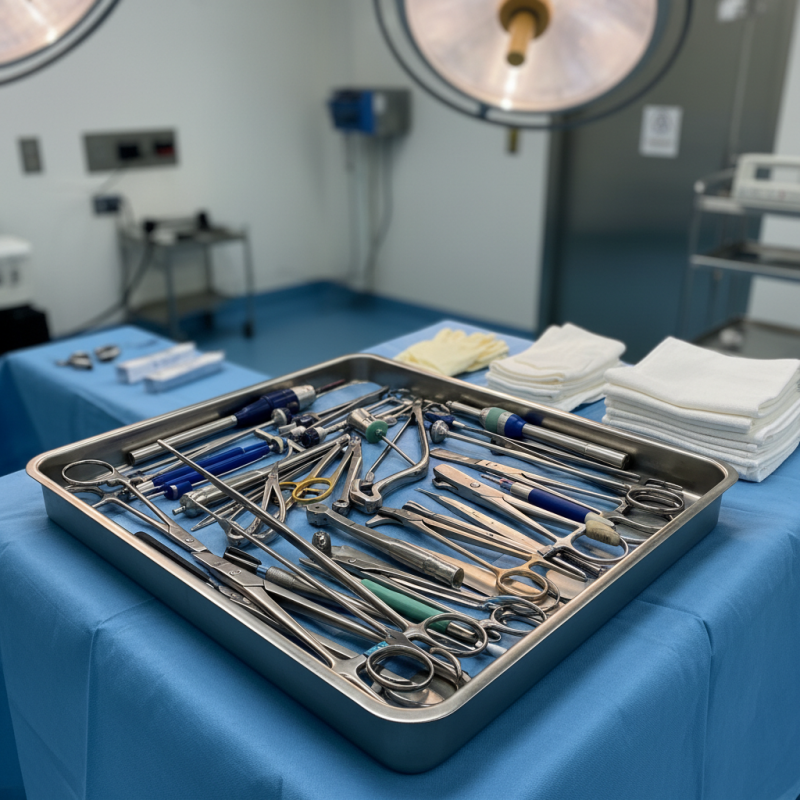
Orthopedic instrument sets play a crucial role in surgical procedures, particularly in areas like joint replacements and fracture repairs. According to a recent report by the American Academy of Orthopaedic Surgeons, nearly 1.5 million orthopedic surgeries are performed annually in the United States alone, highlighting the need for specialized tools. These sets contain a variety of instruments tailored for specific procedures, ensuring surgeons have everything they need at their fingertips.
The design and quality of these instruments directly impact surgical outcomes. High-quality tools can reduce the risk of complications and improve recovery times. However, discrepancies in tool availability can lead to delays in surgery. A study from the Journal of Orthopaedic Surgery revealed that 20% of surgeries faced unexpected instrument shortages. This not only affects patient satisfaction but may also lead to unfavorable surgical results.
Surgeons rely on these instrument sets to maintain efficiency and precision. Some tools need to be regularly updated and maintained. Neglecting this can result in functionality issues during critical moments. In conclusion, understanding the importance of orthopedic instrument sets allows for better preparation and ultimately supports successful surgical interventions.
: They provide specialized tools essential for joint replacements and fracture repairs, ensuring everything needed is at hand.
High-quality instruments can reduce complications and shorten recovery times; poor tools may lead to unfavorable results.
Unexpected shortages can delay surgeries, affect patient satisfaction, and result in less favorable surgical outcomes.
Small errors in instrument use can cause significant complications, making precision essential for successful procedures.
High-quality steel is important for preventing corrosion and maintaining sharpness, contributing to instrument durability.
Clearly labeling and easily accessing tools helps minimize confusion, which can lead to faster and more precise surgeries.
Neglecting maintenance can lead to functionality issues, especially in critical moments, potentially impacting patient safety.
Regular assessments can identify outdated or unnecessary tools, which helps improve workflow and team communication.
No, some tools may have hidden defects that can compromise patient safety, emphasizing the need for quality checks.
Delays, poor tool quality, and insufficient preparation can significantly impact the outcomes of surgical procedures.
Orthopedic Instrument Sets play a crucial role in surgical procedures by providing the necessary tools for effective diagnosis and treatment of musculoskeletal conditions. These sets typically include a variety of instruments, such as drills, saws, and fixation devices, which are specifically designed for orthopedic interventions. Quality and precision are paramount in the design of these instruments, as they directly impact the safety and effectiveness of surgeries.
Moreover, the use of well-assembled Orthopedic Instrument Sets enhances surgical efficiency and improves patient outcomes. Surgeons benefit from training and familiarization with these sets, allowing them to perform procedures with greater confidence and skill. Ultimately, the integration of high-quality orthopedic instruments into surgical practice is vital for advancing the field of orthopedic medicine and ensuring successful surgical results.
