Tandir Orthopedic Implants
Planning recovery after orthopedic implant surgery requires more than a calendar estimate. Patients often ask, “How long is recovery from orthopedic implant surgery?” The honest answer depends on the implant, surgical approach, age, muscle strength, medical conditions, and rehabilitation access. The American Joint Replacement Registry’s 2024 Annual Report documents millions of hip and knee procedures, showing how common these operations have become. Yet common does not mean predictable.
“Everyone recovers at a different pace,” says Dr. Geoffrey Westrich, Director of Joint Replacement Research at Hospital for Special Surgery. His statement reflects daily clinical experience. One patient may walk with a cane within weeks. Another may still need swelling control and supervised therapy months later. Small details matter: a raised chair, a clear hallway, supportive footwear, and a realistic exercise plan can change the first week.
Recovery is rarely a straight line. Pain may improve while stiffness remains. Progress can feel uneven. That is normal, but it deserves careful review. The American Academy of Orthopaedic Surgeons emphasizes individualized follow-up, movement, wound monitoring, and communication with the surgical team. Research published in the Journal of Arthroplasty also supports structured rehabilitation and patient-specific expectations after joint replacement.
This guide will explain typical recovery phases, warning signs, activity milestones, and practical preparation for 2026. It will not promise an exact finish date. That would be misleading. Your surgeon’s instructions should remain the most reliable source, especially when fever, increasing redness, drainage, calf pain, chest pain, or sudden breathlessness appears. When uncertain, contact the care team promptly.
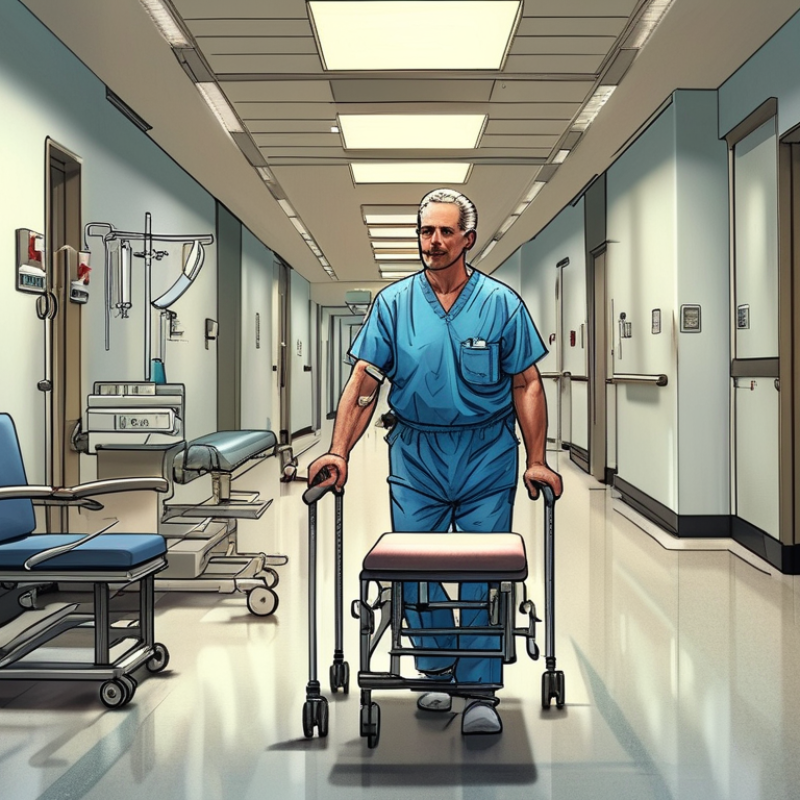
Before discharge, identify the implant clearly. Ask whether it is a total or partial replacement, cemented or uncemented, and which movements require limits. The surgical plan changes walking, bathing, driving, and sleeping advice. The National Joint Registry’s 21st Annual Report tracks more than 3.5 million joint replacement procedures, showing why implant-specific follow-up matters. Do not rely on a generic internet timeline. Your surgeon, physiotherapist, and discharge nurse should confirm weight-bearing status in writing.
Discuss risks while details remain fresh. Infection, blood clots, bleeding, dislocation, nerve irritation, and loosening may need different warning signs. Ask when swelling is expected and when it becomes urgent. Set practical goals, such as walking safely to the bathroom, managing stairs, and taking prescribed medicine correctly. NICE guidance supports shared decision-making and clear safety-netting after surgery. The plan may be wrong. Recovery is rarely perfectly linear.
Tips: Keep the discharge sheet beside your medicines. Photograph the incision only if your clinician permits it. Arrange a stable chair, raised toilet seat, and help with meals. Record pain, temperature, walking distance, and unusual drainage. Contact the care team promptly for chest pain, severe breathlessness, sudden calf swelling, fever, or wound discharge. Recheck restrictions at every follow-up; early confidence can sometimes hide a real problem.
How to Plan Recovery After Orthopedic Implant Surgery 2026
Recovery should be planned by weeks, not wishes. During week one, protect the incision, control swelling, and follow weight-bearing instructions. Short walks may begin with a walker or crutches. By weeks two and three, many patients practice stairs, showering safely, and simple meal preparation. The American Academy of Orthopaedic Surgeons notes that many joint-replacement patients resume ordinary activities within three to six weeks. This is a guide, not a promise.
By weeks four to six, basic activities often become easier. You may walk farther, dress independently, or return to desk work. NHS guidance commonly places broader recovery around six to twelve weeks after hip replacement. Progress depends on the implant, surgical approach, age, strength, and complications. Pain can improve unevenly. A good day may be followed by a tiring one. My first recovery calendar looked too neat; real bodies rarely follow clean lines. Sudden swelling, wound drainage, fever, chest pain, or calf pain requires prompt medical advice.
Tips: Keep a daily record of walking time, pain, sleep, and swelling. Use a firm chair, raised toilet seat, and cleared pathways. Increase one activity at a time. Do not drive until your surgeon confirms safe braking and control. Ask for written milestones at each review, and question any target that feels too aggressive. Sources: American Academy of Orthopaedic Surgeons, OrthoInfo; NHS, Hip Replacement Recovery Guidance.
Recovery planning should begin before surgery. Ask your orthopedic surgeon when weight-bearing can start and how much pressure is safe. Some patients may bear weight as tolerated, while others need crutches for several weeks. The implant type, bone quality, surgical approach, and healing response all matter. Do not copy another patient’s schedule.
Physical therapy should match the surgeon’s restrictions. Early sessions may include ankle pumps, gentle quadriceps contractions, and supported transfers. Your therapist can then guide walking distance, stair practice, and controlled knee motion. A 90° flexion goal by week 6 may help with sitting and daily movement, but it is not a universal deadline. Some knees reach it earlier. Others need more time.
Measure progress with simple details. Record pain after exercise, swelling around the joint, walking distance, and flexion angle. A cold pack and leg elevation may reduce evening swelling, if approved by your care team. Stop and call the surgical team for fever, wound drainage, sudden calf pain, chest discomfort, or new shortness of breath. These symptoms require prompt medical attention.
Progress is rarely perfectly linear. A difficult therapy day does not always mean failure. Still, repeated setbacks deserve review. I would rather adjust the plan early than force motion through sharp pain. Keep appointments, use prescribed walking support, and ask questions when instructions conflict. Your recovery plan should be personal, measurable, and revisited each week.
How to Plan Recovery After Orthopedic Implant Surgery 2026
Prevent Complications Amid a 1–2% Infection Risk After Joint Replacement
A 1–2% infection risk is small, but it is not imaginary. The risk changes with diabetes, smoking, obesity, immune problems, and wound complications. Ask your orthopedic team how your personal risk compares with the general estimate. Their answer should guide your recovery plan.
Keep the incision clean and dry as instructed. Do not apply creams, powders, or household antiseptics without medical approval. Wash your hands before touching the dressing. Check the area once daily for spreading redness, increasing warmth, drainage, or wound separation. A mild bruise may be expected. Fever, worsening pain, confusion, or foul-smelling fluid needs prompt medical advice.
Take prescribed medicines exactly as directed, including antibiotics when they are specifically ordered. Do not save leftover tablets for later. Walk as recommended, but protect the joint from sudden twisting, falls, and overexertion. Use crutches or a walker until your therapist changes the plan. Keep follow-up appointments, even when the incision looks normal.
Recovery is rarely perfectly organized. I may forget a dressing question or misjudge fatigue. Writing symptoms, temperature, medicines, and exercise in a simple notebook can expose small changes early. Contact the surgical team before a minor concern becomes an emergency. Pain alone does not prove infection, yet new pain after improvement deserves attention.
Practical recovery milestones and safety actions for patients after joint replacement or other orthopedic implant procedures
| Recovery dimension | Typical timing | What to plan or do | Safety checkpoints |
|---|---|---|---|
| Infection-risk awareness | After joint replacement | A deep infection involving a joint replacement is uncommon, generally reported in the range of about 1–2%, although risk varies by procedure, patient health, and follow-up period. | Know the surgeon’s contact number and report concerning wound or systemic symptoms promptly rather than waiting for the next appointment. |
| First 24–48 hours | Hospital or early home recovery | Begin assisted walking and prescribed exercises when cleared. Arrange help with bathing, meals, transport, and household tasks. | Use walking aids as instructed. Do not drive, climb unsafely, or bear weight beyond the surgical team’s instructions. |
| Incision and dressing care | Daily during the first weeks | Keep the incision and dressing clean and dry according to the discharge plan. Wash hands before and after touching the dressing or wound area. | Do not apply creams, powders, alcohol, or antibiotic products unless specifically prescribed. Avoid soaking or swimming until the incision is fully healed and cleared. |
| Pain and swelling control | First days to several weeks | Take pain medicine only as directed. Elevate the limb when resting and use cold therapy with a protective cloth if approved. | Increasing pain, swelling, redness, or warmth after an initial improvement should be reported. |
| Blood-clot prevention | Usually during the early postoperative period | Follow the individualized plan for prescribed anticoagulant or antiplatelet medicine, compression, ankle pumps, and regular short walks. | Seek urgent medical help for sudden shortness of breath, chest pain, coughing blood, or one-sided leg swelling and pain. |
| Physical therapy and mobility | Often starts immediately or within a few days | Complete the prescribed range-of-motion and strengthening program. Increase walking distance gradually rather than suddenly. | Stop and contact the care team for severe pain, a new deformity, a fall, or inability to bear weight when previously able to do so. |
| Nutrition and hydration | Throughout recovery | Prioritize adequate fluids, protein-rich foods, fruits, vegetables, and fiber. Manage constipation proactively if opioid pain medicine is used. | Ask the clinical team before taking supplements or herbal products because some may affect bleeding or prescribed medicines. |
| First follow-up review | Commonly within 2–6 weeks, depending on the operation | Review wound healing, pain, movement, walking ability, medication needs, and progression of therapy. | Bring a medication list and note any fever, drainage, falls, new pain, or changes in function. |
| Return to routine activities | Often progresses over 6–12 weeks, but varies widely | Resume work, driving, low-impact exercise, and household activities only after functional recovery and clinician clearance. | High-impact activity, heavy lifting, kneeling, or specific joint positions may remain restricted for longer. |
| Possible infection warning signs | Any time after surgery | Monitor for worsening redness, warmth, swelling, persistent drainage, wound separation, fever, chills, or a sudden decline in joint function. | Contact the surgical team urgently. Do not self-treat with leftover antibiotics, which can delay accurate diagnosis and appropriate treatment. |
| Long-term implant protection | After wound healing and ongoing follow-up | Maintain a healthy weight, continue strength and balance exercises, reduce fall hazards, and attend recommended reviews. | Tell healthcare professionals about the implant before invasive procedures and follow current, individualized advice about infection prevention. |
How to Plan Recovery After Orthopedic Implant Surgery 2026
A durable implant is supported by disciplined recovery, not luck alone. Many modern hip and knee replacements show over 90% survival at 10 years. The 2024 Australian Orthopaedic Association National Joint Replacement Registry reported revision rates below 10% for many common primary procedures. Survival varies by implant type, patient age, activity, surgical indication, and follow-up quality. Registry averages are useful, but they cannot predict one person’s result.

Track pain, swelling, walking distance, sleep, and medication use each week. A simple phone note can reveal whether progress is steady or suddenly worsening. Attend scheduled examinations and imaging appointments. These checks may identify loosening, alignment changes, infection, or wear before symptoms become severe. Do not treat a painless implant as a permanently safe implant. That assumption needs reconsideration.
Tips: Keep incision photographs only when your care team recommends them. Increase activity gradually, especially stairs and lifting. Report fever, drainage, calf swelling, chest pain, or new instability promptly. Ask when your next radiograph is needed. The American Joint Replacement Registry and national joint registries emphasize long-term surveillance, yet reporting systems remain imperfect. Patient records can be incomplete, and “implant survival” usually means no revision surgery, not perfect comfort or normal movement.
: Ask whether it is a total or partial replacement. Ask if it is cemented or uncemented. Confirm movement limits and weight-bearing instructions in writing.
It can change advice about walking, bathing, driving, and sleeping. Generic online timelines may not fit your operation. Your plan may need adjustment.
Start with safe bathroom walking, stair practice, and correct medicine use. Use crutches or a walker until your therapist changes the plan. Small goals matter.
Place a stable chair near your usual living area. Consider a raised toilet seat. Arrange help with meals and difficult tasks.
Check once daily for spreading redness, warmth, drainage, or separation. Mild bruising may be expected. Foul-smelling fluid needs prompt attention.
Contact the care team for fever, worsening pain, confusion, or unusual wound fluid. Seek urgent help for chest pain, severe breathlessness, or sudden calf swelling. Do not wait.
Keep the incision clean and dry as instructed. Wash your hands before touching the dressing. Avoid creams, powders, or household antiseptics without approval.
Record pain, temperature, medicines, walking distance, and drainage. A notebook can reveal gradual changes. I may misjudge fatigue.
Yes. Restrictions may change at each review. Early confidence can hide a real problem. Ask questions again.
Recovery after orthopedic implant surgery depends on the implant type, the procedure performed, overall health, and individual recovery goals. Before discharge, patients should review surgical risks, wound care, medication instructions, mobility restrictions, and warning signs with their care team. How long is recovery from orthopedic implant surgery? Many people gradually resume basic daily activities within 3–6 weeks, although complete recovery may take several months.
A structured, week-by-week plan can help patients coordinate physical therapy, assistive devices, and weight-bearing progression safely. For some joint procedures, achieving approximately 90° of flexion by week six may be an important milestone, but goals should be personalized. Preventing complications requires careful incision monitoring, appropriate movement, and prompt attention to fever, drainage, increasing pain, or swelling, especially since infection risk after joint replacement is commonly estimated at 1–2%. Regular follow-up helps track bone healing, function, and implant performance; many modern implants show over 90% survival at 10 years.