Tandir Orthopedic Implants
Dental implant surgery in China can involve careful planning, digital imaging, and a recovery period that varies from person to person. If you are arranging treatment around work, ask the implant dentist about the specific procedure, anesthesia, and expected aftercare. A single implant may feel different from surgery involving several implants or bone grafting. Small details matter.
“When can I return to work after implant surgery” is a practical question, but there is no universal date. Some people with desk-based jobs feel ready within a day or two; others need longer, especially after more extensive treatment. Swelling, tenderness, tiredness, and medication effects can affect concentration and comfort. Physical work may require extra time away, since heavy exertion can be uncomfortable during early healing. Your clinician’s instructions should guide your decision, not a general timeline online.
Before booking, discuss your work duties and travel plans with the dental team. Ask what symptoms are expected, which changes need a call, and whether a follow-up visit is needed before you resume normal activity. If sedation is used, follow the clinic’s specific instructions about driving and returning to work. Recovery is not always neat or predictable; even a straightforward procedure can leave you needing more rest than expected. Choosing a qualified provider and planning a flexible return date can make the process less stressful.
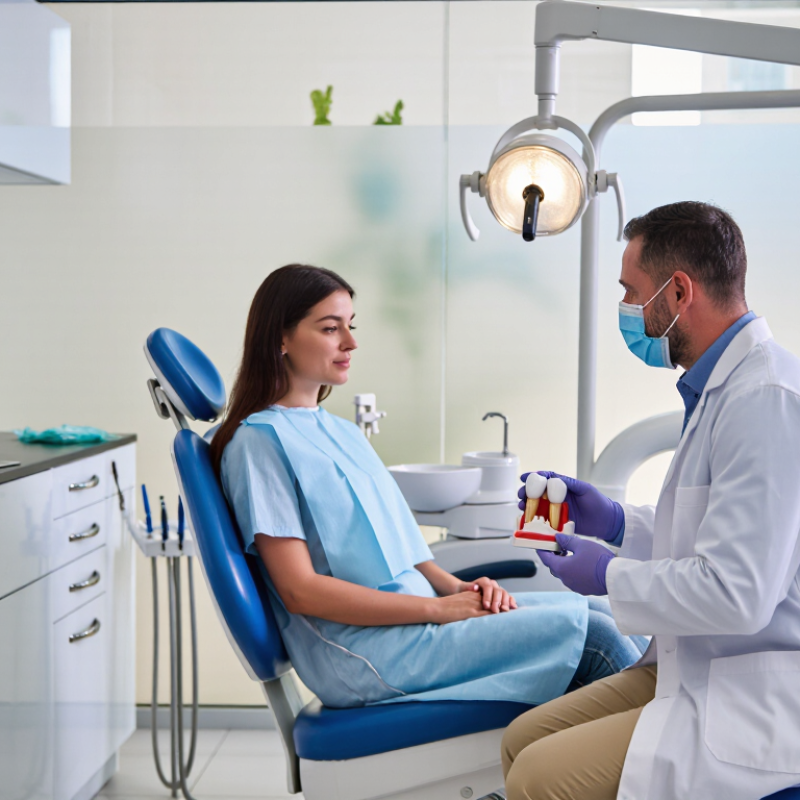
Dental implant treatment usually unfolds in stages, rather than during one appointment. Before surgery, a clinician reviews your health, examines your jaw, and may use imaging to plan the implant’s position. On surgery day, local anesthesia is commonly used; sedation may affect how quickly you feel alert. The implant is placed in the jawbone, and the gum is closed or shaped around it. Swelling and tenderness can follow. Healing takes patience.
During the first few days, soft foods, rest, and careful oral hygiene can make recovery more manageable. Your dentist may advise avoiding strenuous activity briefly, especially if bleeding or swelling continues. Over the following months, the implant gradually bonds with the jawbone. A temporary tooth may be used before the final restoration is fitted. Healing times vary, so a fixed return-to-work date would be misleading. Many people with desk jobs resume work within a day or two, while physically demanding roles may require more rest. Sedation, discomfort, and your clinician’s instructions also matter. Contact your dental team if pain worsens, swelling increases, or you develop a fever. Plan around your actual recovery, not an ideal timetable.
Your return-to-work timeline depends on more than the implant itself. After an uncomplicated single implant placed under local anaesthesia, some people feel ready for desk work the next day. Swelling, tenderness, and fatigue may make that unrealistic, especially after multiple implants or bone grafting. A sinus lift or longer procedure can mean a slower early recovery. Small details matter. A job involving heavy lifting, long shifts, or dust and heat may call for more time away than computer work. Your surgeon’s advice should reflect the actual procedure and your symptoms.
Sedation also changes the plan: follow your care team’s instructions about driving, decision-making, and having someone accompany you home. Smoking is another relevant factor. A meta-analysis by Chrcanovic and colleagues in the Journal of Dentistry reported 2.23 times the odds of implant failure among smokers; that figure does not predict an individual’s work absence, but it underlines why healing conditions matter. Uncontrolled health conditions and difficulty keeping the surgical area clean can also affect recovery. Implant integration takes much longer than a few days, but that does not automatically mean you must stay off work throughout healing.
There is no reliable one-size-fits-all return date. If bleeding, worsening pain, or swelling interferes with normal tasks, contact your dental team rather than pushing through.
Return-to-work timing depends on the procedure, your recovery, and the demands of your job. After a single implant placed under local anesthesia, many people with desk jobs return within one or two days. Some need longer. If your work involves heavy lifting, long shifts, or frequent bending, ask your dentist whether taking a few extra days off is sensible.
Several implants, tooth extractions, bone grafting, or sinus lifting can mean more swelling and discomfort. Some patients plan three to seven days away from work, but individual healing varies. Full-arch implant treatment may require a longer recovery, especially when several procedures happen together. A neat calendar estimate can be tempting, yet healing rarely follows it exactly. Contact your dental team if pain or swelling worsens instead of improving.
Tips: Arrange lighter duties if possible. Keep the first day back flexible, and avoid strenuous tasks until your clinician advises they are safe. If sedation was used, follow your care team’s instructions about driving and returning to work.
Dental implant surgery in China needs more than a free afternoon in your calendar. Before booking, ask the treating dentist what your procedure involves, how many visits are expected, and when follow-up checks may occur. A single implant and a procedure involving bone grafting can mean different recovery plans. Get the instructions in writing, including whom to contact if pain or swelling worsens.
Build work plans around the first few days, not just the surgery date. You may feel tired after sedation, and swelling or tenderness can make long calls uncomfortable. Arrange a lighter schedule, postpone presentations, and keep soft meals and water nearby. If your job involves lifting, frequent travel, or extended speaking, ask the clinician when those duties are reasonable. Do not assume remote work will feel easy.
Leave room for change. A neat calendar can still fail when healing takes longer than expected; I would plan a buffer rather than promise a firm return date. If you are travelling to China for care, confirm the clinic’s follow-up schedule before arranging your trip home. Keep contact details and care instructions accessible, and ask how to get help after hours. Your dentist’s assessment should guide the timing.
These ranges are general planning estimates, not guarantees. Many people return to desk-based work within 1–2 days after uncomplicated implant placement. More extensive treatment, sedation, discomfort, or physically demanding work may mean taking longer. Confirm your return-to-work plan with your dental surgeon.
After dental implant surgery, the calendar is only part of the decision. NHS postoperative guidance notes that swelling can increase for up to 72 hours before easing. That means a puffy cheek on day two does not always signal a problem, but it may make speaking or commuting uncomfortable. Give yourself more time if pain is worsening, bleeding continues, or you feel feverish. Those signs deserve a call to your dental team, not a tougher workday.
Your job matters, too. A quiet desk shift is different from lifting, bending, or speaking continuously with clients. Clinical reports on implant surgery describe soreness and swelling during the first several days, but recovery varies with the procedure and the person. Still bleeding? Take it slowly. Trouble concentrating after pain medicine, or difficulty eating and drinking, can also make work unsafe or unproductive.
I would not treat “back tomorrow” as a universal rule; that assumption is easy to make and hard to defend.
Ask your treating clinician for advice based on your surgery, especially after multiple implants or bone grafting.
Recovery varies by procedure and person. Healing takes patience.
Many people return within one or two days after a single implant placed with local anesthesia. Some need longer.
Heavy lifting, long shifts, and frequent bending may call for extra rest. Ask your dentist about your specific duties.
Some people plan three to seven days away from work. Swelling and discomfort vary, so that estimate may not fit you.
Choose soft foods, rest, and follow careful oral hygiene. Your dentist may recommend briefly avoiding strenuous activity.
Follow your care team’s instructions. Sedation can affect how quickly you feel alert.
Contact them if pain worsens, swelling increases, or you develop a fever. Don’t wait for a calendar estimate.
The implant gradually bonds with the jawbone over the following months. A temporary tooth may be used beforehand, but healing times vary. A calendar can look reassuring, yet it can be wrong.
Dental implant surgery involves placing an implant in the jaw, followed by a healing period that may last several months before the final restoration is fitted. When can I return to work after implant surgery depends on the procedure, your general health, the physical demands of your job, and how you feel after anesthesia. After a straightforward procedure, some people return to desk work the next day or within a few days, while more complex treatment, such as bone grafting or multiple implants, may call for additional rest. Swelling, discomfort, and tiredness are common early in recovery, so allow time to rest and follow your dentist’s instructions.
When planning work around surgery in China, discuss your job duties and likely recovery needs with your dental team, arrange time off if possible, and avoid strenuous activity until advised it is safe. You may need more time before returning if pain or swelling worsens, bleeding continues, or you develop a fever. Contact your dentist for guidance rather than pushing through symptoms.
