Tandir Orthopedic Implants
Recovering from orthopedic implant surgery can feel like moving through a narrow hallway: progress is possible, but every step requires attention. Pain may arise from the incision, swelling, muscle tension, or normal bone healing. It can also signal a complication. Pain is not a simple score.
This introduction explores How to manage pain after orthopedic implant surgery through safe, evidence-informed care. Leading orthopedic teams in China and internationally often combine prescribed medicines, cold therapy, elevation, breathing exercises, and gradual movement. Acetaminophen, anti-inflammatory medicines, or short-term opioids may be considered when clinically appropriate. However, each option depends on kidney function, stomach health, allergies, age, and other medicines. Patients should follow the surgeon’s instructions and avoid changing doses independently.
A practical plan also includes realistic observation. A warm knee, stiff shoulder, or painful first walk may improve slowly. Increasing redness, drainage, fever, sudden calf swelling, chest pain, or uncontrolled pain needs prompt medical attention. Physical therapists can demonstrate safe transfers, walking techniques, and exercises around the implant. Nurses and pharmacists can check medicine use and side effects. This team-based approach is more reliable than internet advice alone.
Still, pain management is not perfect. Some patients sleep poorly despite careful treatment. Others fear movement and become unnecessarily inactive. Better communication can expose these gaps early. This article considers implant type, surgical location, recovery stage, and individual risk factors. Its goal is not to promise painless healing. It offers a clear framework for safer decisions, informed questions, and timely professional support.
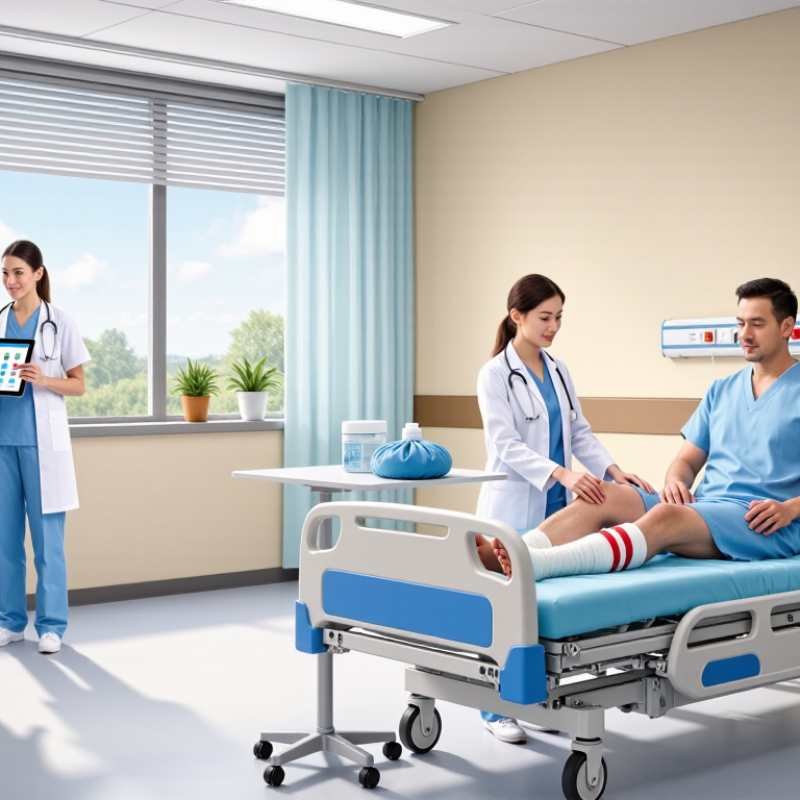
Orthopedic implants are medical devices used to support, replace, or stabilize damaged joints and bones. Examples include joint replacements, plates, screws, rods, and spinal devices. They help restore movement, but the body still needs time to heal around them.
Pain after surgery can come from swollen tissues, healing muscles, irritated nerves, or the surgical incision. The implant itself is not always the cause. A tight dressing, awkward sleeping position, or sudden movement may also increase discomfort. Pain often changes during the day. Recovery is rarely linear.
Clinicians usually assess pain intensity, wound appearance, movement, temperature, and nerve function together. Prescribed pain medicine should be used exactly as directed. Ice packs, elevation, gentle exercises, and scheduled rest may support recovery when approved by the surgical team. Do not add supplements or alter medication without medical advice.
Pain scores help, but they are not perfect. New severe pain, increasing redness, drainage, fever, calf swelling, chest pain, or sudden weakness needs prompt medical attention. Sometimes patients expect steady improvement, yet healing can pause for several days. That pause deserves careful review, not panic or neglect. A follow-up examination can distinguish normal inflammation from infection, implant movement, or another complication.
After orthopedic implant surgery, pain evaluation should measure more than a number. Clinicians commonly use the Numeric Rating Scale from 0 to 10. However, a patient may report pain level 7 while resting and level 3 during walking. Both findings matter. The assessment should record location, timing, character, triggers, and changes after medication. It should also examine sleep, mobility, breathing, alertness, and daily function.
Validated patient-reported tools improve consistency. The NIH-supported PROMIS framework reports pain intensity and pain interference separately. Its T-score uses 50 as the population mean and 10 as the standard deviation. A rising pain-interference score may indicate worsening function, even when intensity changes little. The 2022 CDC Clinical Practice Guideline also recommends individualized goals and regular reassessment, rather than relying on pain scores alone.
Physical findings remain essential. Increasing swelling, wound drainage, fever, calf tenderness, numbness, or unusual weakness requires prompt clinical review. Pain that suddenly changes deserves attention. Assessment should occur at rest and during movement, such as standing from a chair or taking several steps. Language, anxiety, sleep loss, and cultural expectations can affect reported pain. I still think this is an imperfect process. A score can look precise while missing the patient’s actual experience. Documentation should therefore connect every score with function, examination findings, and response to treatment.
| Evaluation Dimension | Recommended Method | What the Score or Finding Means | Typical Assessment Points | Clinical Considerations |
|---|---|---|---|---|
| Pain intensity at rest | 11-point Numeric Rating Scale (NRS): 0–10 | 0 = no pain; 1–3 = mild; 4–6 = moderate; 7–10 = severe. These categories are commonly used but may vary by clinical setting. | Before and after analgesia, during routine rounds, and whenever the patient reports a change. | Record the score together with the time, analgesic treatment, and response rather than using the number alone. |
| Pain during movement | NRS or Visual Analog Scale (VAS) while performing a defined activity, such as standing, walking, or joint flexion. | Shows whether pain limits rehabilitation and daily function, which may not be apparent from the resting score. | Before physiotherapy, during the activity, and after recovery. | Use the same activity and scoring method at follow-up visits to improve comparability. |
| Pain characteristics | Patient interview covering location, onset, duration, quality, radiation, aggravating factors, and relieving factors. | Burning, electric, shooting, or tingling pain may suggest a neuropathic component; deep mechanical pain may require assessment of the implant area and surrounding tissues. | At the initial assessment and whenever the pain pattern changes. | Pain location and quality can be more informative than intensity alone. |
| Functional impact | Assess walking distance, transfers, sleep, dressing, stair use, range of motion, and participation in rehabilitation. | Pain is clinically important when it prevents safe mobility, exercise, sleep, self-care, or return to expected activities. | Daily during early recovery and at scheduled outpatient reviews. | Combine patient-reported function with objective findings such as gait, strength, and joint range of motion. |
| Patient-reported outcome measures | Validated joint-specific or general questionnaires, such as the Oxford Hip or Knee Score, WOMAC, KOOS, or PROMIS measures, when appropriate. | Provides a structured measure of pain, symptoms, function, and health-related quality of life over time. | Preoperatively, after recovery milestones, and during long-term follow-up. | Use the same validated questionnaire and language version at each assessment. |
| Physical examination | Inspect the incision and surrounding skin; assess swelling, warmth, tenderness, range of motion, stability, distal pulses, sensation, and motor function. | Findings help distinguish expected postoperative soreness from possible infection, hematoma, nerve injury, vascular problems, instability, or other complications. | At routine reviews and urgently when symptoms worsen or new signs appear. | The examination should be interpreted with the surgical procedure, time since surgery, and baseline status. |
| Analgesic response | Reassess pain intensity, function, sedation, nausea, constipation, respiratory status, and other adverse effects after treatment. | A meaningful response includes improved comfort and function without unacceptable medication-related harm. | At the interval recommended for the specific medication and route of administration. | Medication decisions should consider age, kidney and liver function, bleeding risk, allergies, and other medicines. |
| Neuropathic pain screening | Use clinical history and examination; validated screening tools such as painDETECT or DN4 may support assessment but do not replace diagnosis. | Sensory disturbance, allodynia, numbness, or electric-shock-like pain may indicate nerve-related pain requiring targeted evaluation. | When pain is burning, shooting, persistent, disproportionate, or associated with sensory changes. | Consider nerve compression, surgical nerve injury, regional pain syndromes, and other causes before selecting treatment. |
| Recovery trend | Compare current pain, function, wound findings, mobility, and medication use with the previous assessment. | A gradual reduction in pain and improvement in function are generally reassuring; new or progressively worsening pain requires review. | At every follow-up contact, including after discharge. | Trend data are usually more useful than a single isolated pain score. |
| Warning signs requiring prompt medical review | Urgent clinical assessment for rapidly increasing pain, fever, spreading redness, drainage, wound separation, severe swelling, new numbness or weakness, a cold or pale limb, calf swelling, chest pain, or shortness of breath. | These symptoms may indicate infection, bleeding, neurovascular compromise, venous thromboembolism, or another postoperative complication. | Immediately when symptoms occur. | Emergency symptoms such as chest pain, severe breathing difficulty, or sudden limb ischemia require emergency services. |
Note: Pain evaluation should be individualized to the procedure, implant location, patient age, medical history, baseline pain, and stage of recovery. A pain score is one part of a broader clinical assessment.
After implant surgery in China, pain relief usually combines several methods rather than relying on one drug. Enhanced recovery protocols commonly use scheduled acetaminophen and an anti-inflammatory medicine, when kidney, stomach, and bleeding risks allow. Surgeons may also inject local anesthetic around the wound or use a regional nerve block. These methods can reduce the need for rescue opioids, but they are not suitable for every patient.
A 2023 systematic review in International Orthopaedics reported that multimodal analgesia after total knee replacement can reduce opioid consumption by roughly 20% to 30%. Chinese enhanced-recovery guidance also supports early movement, cold therapy, leg elevation, and regular pain assessment. In hospital, some patients receive patient-controlled analgesia, especially during the first night. Nurses monitor sedation, breathing, nausea, constipation, and confusion. Small details matter. A cold pack wrapped in cloth, used for short periods, may ease swelling without harming the skin.
Pain scores guide adjustment, not diagnosis alone. A patient with increasing pain, fever, wound drainage, calf swelling, or sudden shortness of breath needs prompt medical review. Medication choices must consider age, diabetes, ulcers, kidney function, and blood-thinning treatment. This is where online advice becomes unreliable. Some protocols still use more opioids than necessary, while others may undertreat severe pain. The better approach is individualized, reassessed often, and linked with physiotherapy. No single “China standard” fits every implant patient.
After orthopedic implantation, safe pain control begins with a written plan from the surgical team. Ask when to take each medicine, what to do after a missed dose, and which combinations are unsafe. Use only the prescribed amount. Do not add sleeping pills, alcohol, or over-the-counter drugs without medical advice. A small notebook can record pain levels, temperature, medicines, and bowel movements. This record gives clinicians useful details during follow-up visits.
Protect the incision according to the discharge instructions. Keep dressings clean and dry, then check for spreading redness, drainage, warmth, or wound separation. Report fever, calf swelling, sudden breathlessness, chest pain, or uncontrolled pain urgently. Pain should gradually become more manageable, but recovery is rarely linear. That can feel alarming. Follow the approved walking or exercise plan, often with a walker or crutches. Short, frequent movement may reduce stiffness, while forcing a joint can disrupt healing tissues.
Hydration, protein-rich meals, and regular sleep support tissue repair. Constipation is common after opioid pain medicine; ask about prevention early. Keep every follow-up appointment, even when the incision looks better. Rehabilitation should advance with professional guidance, not online timelines. It is easy to sit too long, hide pain, or rush stairs. I would question those habits daily, because small choices can quietly slow recovery.
Persistent pain after orthopedic implant surgery deserves attention when it does not follow the expected recovery pattern. Mild soreness, tightness, and swelling may gradually improve during the first weeks. However, pain that worsens, returns sharply after improvement, or limits sleep and movement should be discussed with the surgical team. Do not wait for a routine appointment if the implant area becomes hot, very red, or increasingly swollen. Fever, wound drainage, new numbness, leg weakness, or a painful calf also require prompt medical assessment. Chest pain or sudden breathlessness needs emergency care.
Pain intensity alone can mislead. A quiet ache may still reflect a problem, while strong pain can occur after normal activity. Your surgeon should assess the wound, movement, circulation, and implant position when needed. Imaging or blood tests may help identify infection, loosening, bleeding, or another cause. Keep taking prescribed medicines only as directed. Do not add painkillers without checking a qualified clinician, especially with kidney, stomach, or blood-thinning concerns. Recovery is rarely tidy. One difficult day does not always mean failure, but ignoring a pattern can be risky.
Tips: Record pain levels, temperature, swelling, medication times, and activities each day. Note whether pain improves with rest or becomes worse at night. Bring this record to your appointment. Contact the care team early when symptoms feel different, even if they seem minor. Pain deserves a clear explanation.
Orthopedic implants support, replace, or stabilize damaged bones and joints. Examples include joint replacements, plates, screws, rods, and spinal devices. They can restore movement, but surrounding tissues still need time to heal.
Pain may come from swelling, healing muscles, irritated nerves, or the incision. A tight dressing, poor sleeping position, or sudden movement can also worsen discomfort. The implant is not always the cause.
Pain may rise and fall during the day. Recovery is uneven. Several difficult days do not always mean failure, but a worsening pattern deserves medical review.
Report the location, timing, intensity, and type of pain. Explain whether walking, resting, or medication changes it. Mention sleep loss, reduced movement, numbness, or weakness. Numbers are imperfect.
Contact the surgical team if pain worsens, returns sharply, or limits sleep and movement. Seek prompt assessment for increasing redness, heat, swelling, drainage, fever, calf tenderness, or new numbness. Sudden weakness requires urgent attention.
Chest pain or sudden breathlessness needs emergency medical care. Do not wait for a routine appointment. These symptoms can signal a serious complication.
Use prescribed medicine exactly as directed. Ice, elevation, gentle exercises, and planned rest may help when approved by the surgical team. Do not add supplements or pain medicine without professional advice.
Record pain levels, temperature, swelling, medication times, and daily activities. Note whether rest helps or nighttime pain increases. A simple diary, written beside the bed, can reveal changes. It may still miss details.
Orthopedic implants, such as joint replacements, plates, screws, and spinal devices, are designed to restore stability and movement, but pain may occur after surgery because of tissue damage, swelling, muscle weakness, or normal healing. Doctors evaluate pain by reviewing its location, intensity, timing, and effect on movement, while also checking the incision, joint function, nerve sensations, and signs of infection or implant-related problems. Understanding how to manage pain after orthopedic implant surgery can help patients recover more safely and confidently.
Pain relief in China may include prescribed medication, cold therapy, elevation, gentle rehabilitation, breathing and relaxation techniques, and carefully planned physical therapy. Patients should follow medical instructions, protect the surgical area, maintain a balanced diet, attend follow-up visits, and avoid excessive activity or unapproved treatments. Increasing pain, fever, redness, drainage, severe swelling, numbness, weakness, or difficulty moving should receive prompt medical attention, as these symptoms may require further evaluation.
