Tandir Orthopedic Implants Tandir Orthopedic Implants

What is Cementless Hip Implants and How Do They Work?

Time:2026-03-16 Author:Charlotte
0%

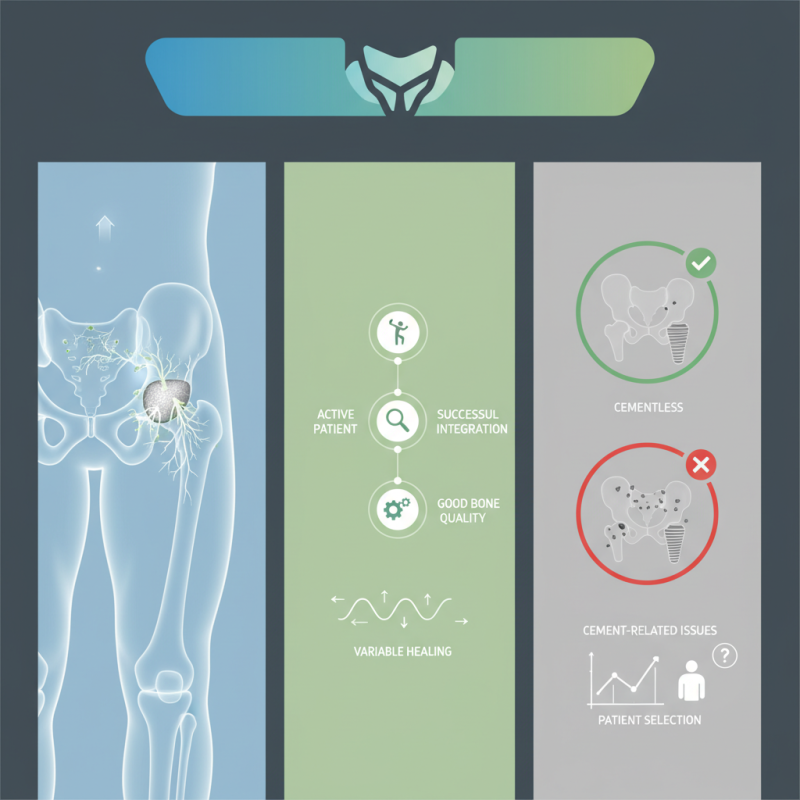
Cementless hip implants are revolutionizing orthopedic surgery. These devices are designed to integrate with the patient’s bone, providing stability and longevity. According to a report by the Orthopedic Research Society, nearly 70% of hip replacement surgeries utilize cementless technology today. This significant shift reflects improvements in implant design.

Dr. Laura Chen, a leading orthopedic surgeon, states, “Cementless hip implants offer a promising avenue for long-term success.” This approach eliminates the risks associated with cement, such as debris accumulation and implant loosening. However, there are challenges. The healing process can vary among patients, leading to inconsistent outcomes.

Moreover, successful integration relies on patient-specific factors like bone quality. Research indicates that not all candidates may benefit equally. Despite these concerns, advancements continue to improve implant reliability. As the field progresses, further studies will clarify ideal patient profiles for cementless options. Understanding these aspects is crucial for patients considering hip surgeries.
What is Cementless Hip Implants and How Do They Work?

What are Cementless Hip Implants?

Cementless hip implants are a modern solution for hip replacement surgery. They rely on a biological process called osseointegration. This process allows the bone to grow into the surface of the implant. Studies show that osseointegration can take several months. During this period, proper alignment and stability are crucial.

Research indicates that cementless implants can offer long-term durability. A report from the Journal of Bone and Joint Surgery states that more than 90% of cementless implants remain functional after ten years. This is an impressive statistic. However, not all patients experience the same success. Some may encounter issues like loosening or infection. Patient factors, such as age and activity level, can impact outcomes.

Doctors often recommend cementless implants for younger, more active patients. However, older patients may face higher risks. The recovery process can vary widely. It is important to set realistic expectations. While many thrive, some may require additional surgeries. Understanding these aspects is key for potential patients weighing their options.

The History and Development of Cementless Hip Implants

Cementless hip implants have evolved over the decades. In the early days, surgeons mainly relied on cemented options for joint replacement. These initial techniques had their limitations and complications. Over time, experts began exploring alternatives that would promote better bone growth.

The first notable cementless designs appeared in the 1960s. They featured porous surfaces to encourage osseointegration. Surgeons noticed that these implants allowed natural bone to grow into the device. This was a game changer for many patients. However, the concept was not perfect. Initial designs often faced issues, such as insufficient stability and wear.

By the 1980s, improvements in materials and manufacturing methods became evident. Engineers focused on optimizing the shape and texture of implants. They aimed to enhance stability while reducing complications. Some implants worked well, but others had inconsistent results. The journey of cementless hip implants continues as researchers strive for more effective solutions. The development has been significant, yet challenges remain to create the ideal implant for all patients.

The chart above illustrates the growing adoption rate of cementless hip implants over the decades, reflecting advancements in techniques and technology.

How Cementless Hip Implants Function and Their Design Features

Cementless hip implants are designed to provide long-lasting stability without the use of bone cement. They rely on a feature called osseointegration, where the bone grows around the implant. This process creates a strong bond, allowing for better load distribution during movement. Over time, the implant becomes a part of the body, almost like a natural joint.

The design of cementless implants often includes a porous surface. This texture enhances bone ingrowth, helping the implant secure itself firmly. Some models feature specific shapes that mimic natural anatomy, promoting a more ergonomic fit for patients. However, achieving the optimal fit isn't always easy. In some cases, the bone quality and density can vary, complicating the integration process and leading to potential complications.

While cementless implants have promising features, they are not without drawbacks. Implant failure may occur in cases of inadequate osseointegration. Patients with poor bone quality face higher risks. This situation requires careful pre-operative assessment and occasional revisions. Balancing the advantages with these challenges is crucial for successful outcomes. Understanding these aspects can help patients make informed decisions about their hip replacement options.

Benefits of Cementless Hip Implants over Traditional Cemented Options

Cementless hip implants have gained popularity in recent years. These implants rely on a special porous surface to promote bone growth. This method allows the bone to integrate with the implant over time. Unlike traditional cemented options, cementless implants can provide a more natural connection.

One significant benefit of cementless implants is their longevity. Studies suggest they can last longer without loosening. Additionally, they typically require less maintenance over time. Patients may find that recovery is faster with cementless options. There’s also less risk of complications related to cement.

However, not all candidates may be suitable for cementless implants. Some individuals may experience challenges during the integration process. Factors like bone quality and age can affect outcomes. It’s essential to weigh these considerations with a healthcare professional. The decision should be made carefully, focusing on individual needs and circumstances.

Possible Risks and Considerations for Cementless Hip Implants

Cementless hip implants are designed to bond directly to bone. This technique, although innovative, does carry potential risks. One major concern is the risk of implant failure. Studies show that around 5% of cementless implants may require revision surgery within ten years post-operation.

Patients must also consider the length of recovery. Unlike cemented implants, which offer quicker stabilization, cementless options may require longer rehabilitation. Data suggests that recovery times can extend by several weeks, impacting daily activities. This uncertainty can be daunting for many patients.

Another factor is the variability in patient bone quality. Poor bone density can affect the initial stability of the implant. As reported in clinical studies, up to 15% of patients experience complications due to inadequate bone integration with the implant. These considerations remind us that cementless hip implants are not for everyone.

FAQS

: What are cementless hip implants?

: Cementless hip implants are used in hip replacement surgery. They bond to the bone through a process called osseointegration.

How long does osseointegration take?

Osseointegration can take several months. Proper alignment and stability during this phase are extremely important.

What are the success rates of cementless implants?

Over 90% of cementless implants remain functional after ten years. However, individual experiences can vary significantly.

Who are ideal candidates for cementless implants?

Doctors often recommend these implants for younger and more active patients. Older patients may face greater risks.

What risks should patients consider?

Risks include potential implant failure, with about 5% needing revision surgery within ten years.

How does recovery differ with cementless implants?

Recovery may take longer than with cemented implants. Patients might face several weeks of additional rehabilitation.

What challenges can affect implant stability?

Poor bone density can impact initial stability. Up to 15% may experience complications due to inadequate bone integration.

Are all patients suitable for cementless implants?

No, cementless implants may not be suitable for everyone. Patient factors significantly influence outcomes and recovery.

When should patients set expectations?

Setting realistic expectations is crucial. While many recover well, some may need further surgeries.

What emotional factors should patients consider?

Uncertainties in recovery can be daunting. Reflecting on personal circumstances is essential for decision-making.

Conclusion

Cementless hip implants are advanced orthopedic devices designed to replace damaged hip joints without the use of bone cement. These implants have evolved over the years, adapting to technological advancements and improved understanding of bone biology. The function of cementless hip implants relies on their unique design features, such as a porous surface that encourages bone ingrowth, leading to long-term stability and integration with the patient’s own bone.

One of the significant benefits of cementless hip implants over traditional cemented options is the potential for a more natural bone healing process. This approach reduces the risk of complications related to cement degradation over time. However, as with any surgical intervention, there are possible risks and considerations, including the need for precise implantation technique and potential for longer recovery times. Overall, cementless hip implants offer a promising alternative for patients needing hip replacement.

Charlotte

Charlotte

Charlotte is a seasoned marketing professional with a deep understanding of the company's portfolio and a passion for elevating its presence in the market. With a keen eye for detail and a commitment to excellence, she ensures that our professional blog is regularly updated with insightful articles......