Tandir Orthopedic Implants
Many individuals rely on orthopedic implants for a better quality of life. However, a crucial question arises: Can your body reject orthopedic implants? This concern is not just theoretical. The possibility of rejection can affect patients significantly. Various factors contribute to this issue.
The human body has a complex immune system. Implants may trigger an immune response. Allergies to metals or materials used in implants can occur. Some patients may experience chronic pain or inflammation. These reactions highlight the importance of understanding the risks involved.
A thoughtful evaluation of individual health history is vital. Each body reacts differently. Choosing the right implant material can help reduce risks. Consulting healthcare professionals is essential for safe outcomes. Ultimately, awareness is key to navigating this journey.
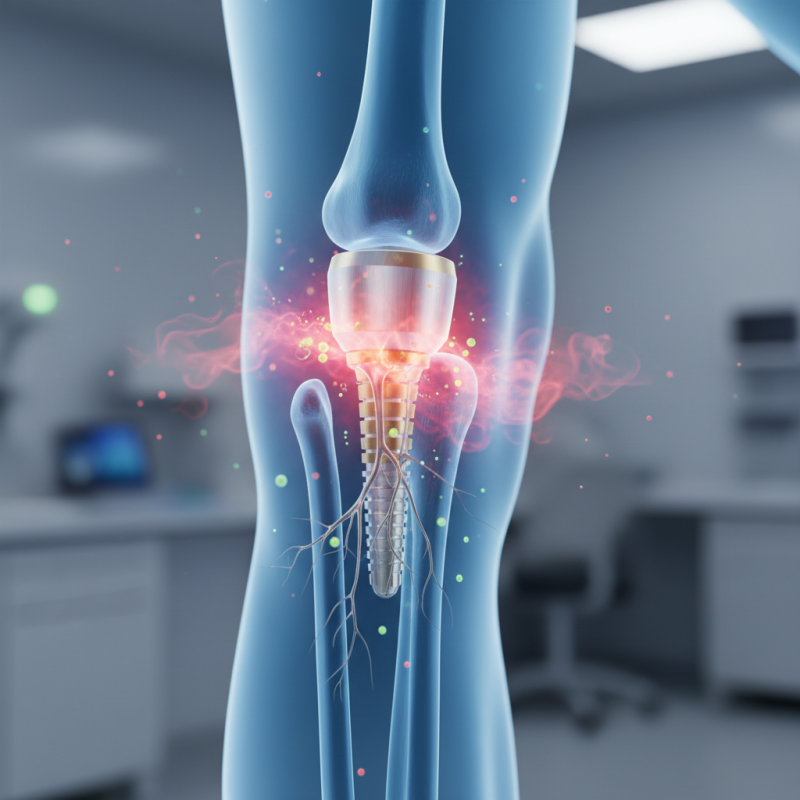
Orthopedic implants serve a crucial role in modern medicine. They are designed to replace, support, or enhance damaged musculoskeletal structures. According to the American Academy of Orthopaedic Surgeons, around 1 million total joint replacement surgeries occur annually in the United States. This demonstrates the widespread reliance on these devices for improved mobility and pain relief.
Despite their benefits, the use of orthopedic implants carries risks. One significant concern is the body’s potential rejection of the implant. This may stem from various factors, including allergic reactions to materials and underlying health conditions. A study published in the Journal of Orthopedic Research found that nearly 2% of patients experience adverse reactions related to metal implants. These reactions can range from mild discomfort to severe complications.
Understanding the functionality and materials involved in orthopedic implants is essential. Most implants are made from titanium, cobalt-chromium alloys, or polyethylene. Each material has unique properties that contribute to its performance. However, they aren't invulnerable. Some patients may report persistent pain or implant loosening weeks or months post-surgery. This highlights the need for ongoing research and patient education about potential outcomes and implant longevity.
Orthopedic implants can sometimes be rejected by the body. Understanding why this happens is essential. Body rejection is a complex process influenced by various factors. One significant aspect is the individual’s immune response. If the immune system detects the implant as foreign, it may trigger inflammation and rejection.
Material composition plays a crucial role. Some metals, like nickel, can cause allergic reactions. In such cases, the body generates antibodies. This can lead to pain, swelling, and implant failure. The size and shape of the implant also matter. A poorly fitted implant can irritate surrounding tissues, causing an adverse reaction.
Tips: Always consult with your doctor about potential allergies before surgery. Ask about the materials used in your implants. Regular follow-ups are necessary to monitor any signs of rejection. Being proactive can make a significant difference in your recovery journey. Listening to your body’s signals is also vital. If you notice discomfort, report it immediately.
Understanding the symptoms of implant rejection is crucial for patients with orthopedic implants. The body can sometimes react negatively to foreign materials. Research indicates that about 5-10% of patients may experience some level of rejection. Symptoms often include persistent pain around the implant site, swelling, and unusual warmth. Some patients report fever and fatigue as well.
In some cases, the body mounts an immune response, which can lead to complications. A study published in the Journal of Orthopedic Research found that inflammatory markers are often elevated in patients who experience rejection. This data highlights the immediate need for patients to communicate any discomfort to their healthcare providers.
Not all symptoms are obvious. Some patients may feel only mild discomfort while others suffer severe complications. Regular post-operative check-ups are essential. These appointments help identify issues early. Timely intervention can significantly improve outcomes. Recognizing these warning signs is a key part of recovery and should not be overlooked.
| Symptom | Description | Occurrence Rate | Action to Take |
|---|---|---|---|
| Pain | Increased or persistent pain around the implant area. | 30% | Consult with your orthopedic specialist. |
| Swelling | Swelling surrounding the surgical site, may feel warm to the touch. | 25% | Seek medical evaluation to check for infection. |
| Redness | Red or discolored skin over the implant site. | 15% | Monitor and contact your doctor if it worsens. |
| Fever | Low-grade fever may occur as part of the rejection process. | 10% | Report to your healthcare provider immediately. |
| Limited Mobility | Difficulty in movement or using the affected limb. | 20% | Consult your doctor for assessment and guidance. |
Orthopedic implants have revolutionized treatment for various musculoskeletal issues. However, the risks associated with orthopedic implant failure can pose significant challenges. Research indicates that approximately 10-20% of patients experience complications after surgery. Common issues include infection, mechanical failure, and the body’s rejection of the implant material.
Around 1-2% of patients may develop allergic reactions or inflammatory responses to the metals used in implants, such as titanium or cobalt. Such responses can lead to chronic pain and implant loosening. A study in the Journal of Orthopedic Research reported that 5% of total joint replacements fail within ten years.
Patients must be aware of signs indicating potential implant failure. Symptoms might include swelling, persistent pain, or reduced mobility. Maintaining honest communication with healthcare providers is crucial. While many patients do well, it’s essential to recognize the risk factors and the variability in individual healing responses. Understanding these complexities can empower patients to make informed decisions regarding their orthopedic care.
Orthopedic implants have revolutionized treatment for joint and bone issues. However, rejection is a possibility. Research shows that up to 10% of patients may experience rejection or complications. Most often, this occurs due to allergic reactions to metals. When the body recognizes the implant as foreign, it can trigger an inflammatory response.
Preventive measures are crucial. Patients should discuss their medical history and any allergies with their orthopedic surgeon. Preoperative testing, like blood tests for metal sensitivities, can guide decisions on implant materials. Proper wound care post-surgery also minimizes infection risk, which can contribute to implant failure. Studies indicate that infections increase failure rates by as much as 30%.
Management strategies play a key role in ensuring successful outcomes. Regular follow-ups help monitor implant performance. If symptoms arise, such as pain or swelling, prompt evaluation is essential. Physical therapy can enhance recovery and keep joints functional. Overall, patient education about symptom recognition and the importance of adherence to medical advice can significantly reduce risks associated with orthopedic implants.
: Orthopedic implants replace, support, or enhance damaged musculoskeletal structures. They improve mobility and relieve pain.
Yes, the body can reject implants. This rejection stems from the immune response recognizing the implant as foreign.
Material allergies and individual immune responses are significant factors. Poorly fitted implants may irritate surrounding tissues.
Common materials include titanium, cobalt-chromium alloys, and polyethylene. Each has unique properties that affect performance.
Risks include infection, mechanical failure, and allergic reactions. Around 10-20% of patients may experience complications post-surgery.
Approximately 1-2% of patients experience allergic reactions. These can lead to chronic pain and implant loosening.
Symptoms include swelling, persistent pain, or reduced mobility. Recognizing these signs is crucial for effective communication with healthcare providers.
Consulting with doctors about allergies before surgery is important. Regular follow-ups can help monitor signs of rejection.
Patients should listen to their bodies. If discomfort arises, it's essential to report it immediately to healthcare professionals.
Ongoing education helps patients understand the risks and benefits. This knowledge empowers informed decisions about their treatment options.
Understanding the risks associated with orthopedic implants is crucial for anyone considering the procedure. The question "Can your body reject orthopedic implants?" is particularly pertinent, as certain factors can lead to rejection, such as allergic reactions to materials, infection, or pre-existing medical conditions. Symptoms of implant rejection may include persistent pain, inflammation, or reduced mobility, which patients should be vigilant about.
To mitigate the risks associated with implant failure, healthcare providers recommend thorough pre-operative evaluations and post-operative monitoring. Preventive measures include selecting biocompatible materials and adhering to proper surgical techniques. As patients navigate their orthopedic treatment options, being informed about the potential for rejection and corresponding management strategies can significantly enhance their outcomes and overall health.
