Tandir Orthopedic Implants Tandir Orthopedic Implants

2026 Best Orthopedic Implants How Do They Improve Mobility

Time:2026-06-27 Author:Sienna
0%

Orthopedic implants play a crucial role in enhancing mobility for countless individuals. These devices, including joint replacements and fracture fixations, are designed to improve function and reduce pain. But how do orthopedic implants help with mobility? They provide structural support, allowing patients to regain movement in compromised joints.

Clinically proven benefits come from the expertise of orthopedic surgeons. They assess individual needs and recommend the best options for each patient. Successful implant surgeries can lead to significant improvements in everyday activities, fostering independence. Yet, the journey isn’t without challenges. Some patients may experience complications or delayed recovery times. These realities remind us that while orthopedic implants are powerful tools, proper rehabilitation is essential for optimal results.

Understanding the nuanced relationship between implants and mobility reveals a sophisticated balance. The right implant, paired with diligent patient effort, can lead to remarkable changes. However, continued research and monitoring in this field remain necessary to address concerns and enhance outcomes. Thus, the ongoing conversation about orthopedic implants continues to evolve.
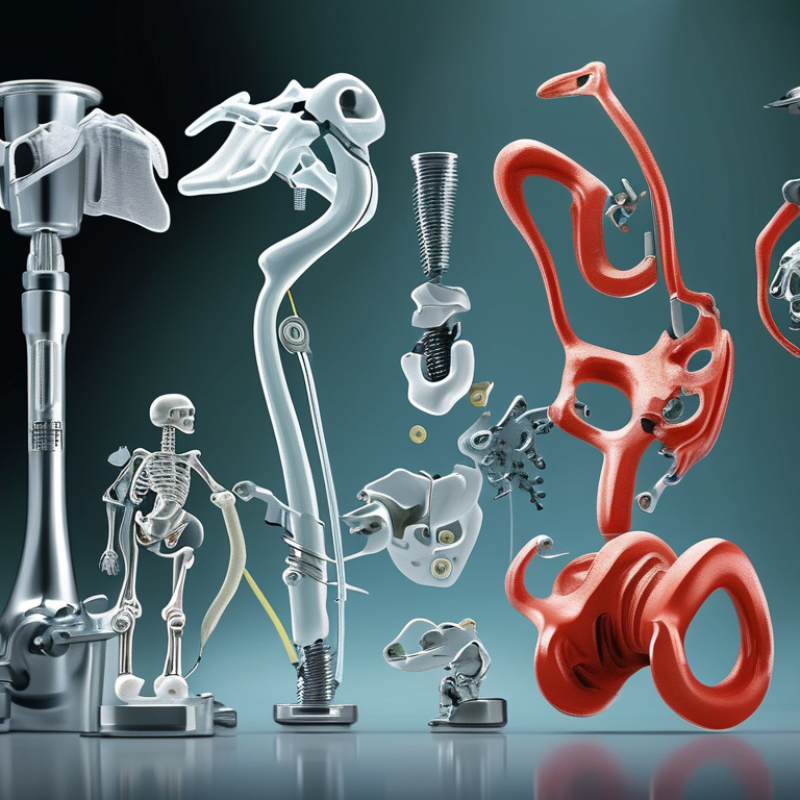
2026 Best Orthopedic Implants How Do They Improve Mobility

Overview of Orthopedic Implants and Their Purpose

Orthopedic implants play a crucial role in enhancing mobility for individuals with joint and bone issues. These devices provide structural support, allowing people to regain function after injury or disease. Common types of implants include pins, plates, and artificial joints. They help in stabilizing bones and reducing pain. This aids in the rehabilitation process significantly.

Surgeons often use advanced materials for these implants, ensuring durability and biocompatibility. This means implants must work harmoniously with the body. However, even the best implants can face challenges. For example, some patients may experience discomfort or complications post-surgery. Additionally, the body’s response to a foreign object varies among individuals. Awareness of these factors is essential for patients considering surgery.

Patient education is crucial for successful outcomes with orthopedic implants. Understanding the benefits and risks is fundamental. Successful recovery often relies on adherence to post-operative care. Engaging in physical therapy and regular check-ups can make a significant difference. Healing is a gradual process, and patience is key in this journey toward improved mobility.

Types of Orthopedic Implants Used for Mobility Enhancement

Orthopedic implants play a vital role in enhancing mobility for individuals with joint or bone issues. These devices are designed to replace or support damaged bones and joints. Various types of orthopedic implants are commonly used, each tailored for specific needs and conditions. For instance, total knee replacements are quite popular. They help restore normal movement and alleviate pain.

Another common type is the hip implant. This implant can improve walking ability significantly. It also contributes to a better quality of life for many patients. Some might consider using rods or plates for spinal support. These implants target vertebrae stabilization, allowing for greater mobility despite spinal issues.

Tip: Always discuss with your healthcare provider before opting for any implant. Research and understand the type of implant suitable for your condition. This ensures a more personalized approach to your mobility needs. Reflecting on the pros and cons can help make informed decisions for your health journey.

Mechanisms by Which Implants Improve Movement and Function

Orthopedic implants play a significant role in enhancing mobility. They are designed to support or replace damaged joints and bones. These devices can restore function, allowing individuals to move comfortably. The materials used in these implants are crucial. Durable materials foster stability while minimizing discomfort.

One mechanism through which implants improve movement is by mimicking the natural joint structure. They align with the body’s biomechanics, which helps in better weight distribution. Patients often experience decreased pain, making daily activities more manageable. However, not all individuals respond to implants in the same way. Some may encounter complications or prolonged recovery times. The improvement in mobility varies from person to person.

Physical therapy also plays a vital role in post-implant recovery. Therapeutic exercises are tailored to maximize the benefits of the implants. Engaging in rigorous rehabilitation can enhance joint function. Yet, there can be inconsistencies in healing and movement restoration. This underscores the importance of personalized recovery plans and ongoing evaluations.

Recent Innovations in Orthopedic Implant Technology

Recent innovations in orthopedic implant technology have significantly enhanced mobility for patients worldwide. A report from the Journal of Orthopedic Research indicates that advanced materials, such as titanium alloys and polymers, improve the strength and durability of implants. These materials reduce the chances of implant failure, which is critical for patient outcomes. In the past decade, the failure rates of orthopedic implants have decreased by approximately 20%, largely due to these advancements.

Robotic-assisted surgeries are changing the landscape of orthopedic procedures. According to a 2023 study from the American Academy of Orthopedic Surgeons, these technologies offer precise implant placement. This improved accuracy leads to better alignment and less postoperative pain, fostering a quicker recovery. The report highlights a 30% increase in patient satisfaction when robotic systems are used during surgery.

Despite these advancements, challenges remain. The integration of new technologies requires extensive training for surgeons. There is still a gap in the understanding of long-term outcomes for some innovative materials. Ongoing research and clinical trials are essential to address these questions. As we continue to innovate, the need for effective training and patient education becomes increasingly important. A balanced approach ensures better outcomes and makes sure these promising technologies reach their full potential.

Future Trends in Orthopedic Surgery and Implant Development

The future of orthopedic surgery lies in innovative implant technologies that enhance mobility. Researchers are developing materials that promote faster healing and better integration with the body. For instance, bioactive coatings are becoming common, encouraging cell growth. These advancements could lead to faster recovery times and improved patient outcomes.


Tips: Always consult your healthcare provider about the best options for your condition. Engaging in physical therapy post-surgery can enhance the effectiveness of implants.


Smart designs are also emerging. Wearable sensors embedded in implants can monitor joint function. These sensors can provide real-time data to both patients and doctors, aiding in personalized treatment plans. It's a step towards more proactive healthcare.


Tips: Keep track of any changes in your mobility after surgery. Report these changes to your physician promptly for optimal adjustments. Staying informed can empower your recovery journey.

FAQS

: What are orthopedic implants used for?

: Orthopedic implants support mobility for those with joint and bone issues, aiding recovery after injury or disease.

What materials are commonly used in orthopedic implants?

Advanced materials like titanium alloys and polymers improve strength, durability, and biocompatibility of implants.

How do recent innovations impact recovery times?

Innovations, such as robotic-assisted surgeries, enhance precision, leading to less pain and a faster recovery for patients.

What are some challenges associated with orthopedic implants?

Patients may experience discomfort post-surgery. The body’s reaction to implants can vary widely among individuals.

Why is patient education important for orthopedic implant success?

Understanding benefits and risks helps patients adhere to post-operative care, which is vital for a successful recovery.

How are wearable sensors used in orthopedic implants?

These sensors monitor joint function, providing real-time data to customize treatment and enhance patient care.

What can patients do to improve their recovery with implants?

Engaging in physical therapy and attending regular check-ups can significantly aid the healing process.

What is the importance of tracking changes in mobility post-surgery?

Keeping a record helps patients communicate effectively with their doctors, allowing for timely adjustments in treatment.

Conclusion

Orthopedic implants play a vital role in enhancing mobility for individuals with musculoskeletal issues. They are designed to support or replace damaged joints and bones, thus improving physical function and quality of life. The types of orthopedic implants include joint replacements, screws, plates, and rods, each tailored to specific injuries and conditions. These implants work by mimicking the function of natural bone and cartilage, providing stability and support, which in turn helps patients regain movement.

Recent advances in orthopedic implant technology have introduced innovative materials and designs that enhance biocompatibility and reduce recovery times. As we look to the future, emerging trends in orthopedic surgery and implant development focus on personalized medicine and minimally invasive techniques. Understanding "how do orthopedic implants help with mobility" reveals their importance in restoring movement and overall functionality, paving the way for improved patient outcomes.

Sienna

Sienna

Sienna is a skilled marketing professional with a deep expertise in our company’s core products and services. With a passion for innovation and detail, she plays a pivotal role in crafting insightful blog posts that not only highlight the unique features of our offerings but also provide valuable......